What Are the Top Wood Screw Types in 2026?

Choosing the right Wood Screw in 2026 starts with the material, the joint, and the tools on your bench. A short cabinet screw can hold a face frame neatly, while a longer structural screw may be better suited to a deck ledger. Head shape, thread design, coating, and drive type all affect how the fastener performs. Small details matter. A mismatched bit can strip the recess; a blunt point can split a dry board.

Fastening engineer Evan Brooks offers a useful rule: “Match the screw to the wood, the load, and the job—not just the box label.” This guide compares common types, including construction, deck, cabinet, pocket-hole, and specialty screws. It explains where each one fits, what to check on the package, and when a pilot hole may help. Not every recommendation works for every species or board thickness. That is easy to overlook.

Expect practical comparisons, not a universal winner. We’ll look at softwood and hardwood, indoor and outdoor use, and the trade-offs between speed, holding power, and a clean finish. Some distinctions remain fuzzy: product names and claims vary by manufacturer. Check the specifications, test on scrap, and choose deliberately.
What Are the Top Wood Screw Types in 2026?

How Wood Screws Work: Threads, Shanks, Heads, and Drive Types

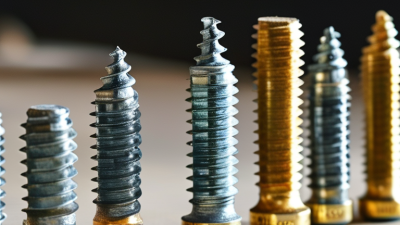
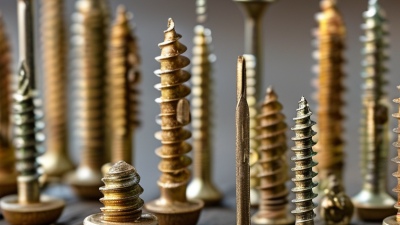
A wood screw is a small fastener with several jobs. Its threads cut or press into the wood, creating resistance to withdrawal; deeper threaded engagement usually improves holding, provided the wood does not split. Coarse threads often suit softwood, while finer threads can give better control in dense hardwood. A smooth shank can help pull two boards together as the head seats. Too much torque, though, may crush the surface or strip the hole. It happens quickly.

The USDA Forest Products Laboratory’s Wood Handbook (2021) explains that screw withdrawal performance depends on factors including wood specific gravity, screw diameter, and threaded penetration. The American Wood Council’s 2024 National Design Specification likewise uses material and fastener dimensions when calculating design values. These are not just paperwork details: a screw driven into a dry pine stud may behave differently from one in dense oak. Head shape matters, too. Flat heads sit flush in countersunk holes; pan or washer-style heads spread bearing pressure on the surface. Drive type affects how steadily torque transfers: a slipping bit can damage the recess before the screw is fully seated. Match the screw length to the joint, and pilot-drill when splitting is a concern. I still check the fit by hand—wood varies, and tables cannot catch every knot.

Top Wood Screw Types in 2026: Deck, Structural, Pocket, and Trim Screws

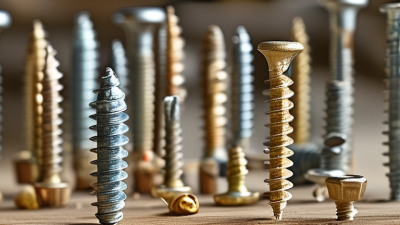
Deck screws suit exposed boards because their corrosion-resistant coatings or stainless-steel construction help withstand rain and treated lumber. Match the fastener to the wood treatment and the screw maker’s installation guidance; a coating alone is not a universal guarantee. Structural screws are designed for load-bearing connections, such as joining beams or framing members. Their diameter, length, and required penetration matter. The American Wood Council’s 2024 National Design Specification bases wood-connection design on factors including fastener dimensions and wood properties, so a structural label is not a substitute for checking the connection. The U.S. Census Bureau reported 1,452,500 completed homes in 2023, a reminder of the scale of construction where sound fastening details matter. Small parts. Big consequences.

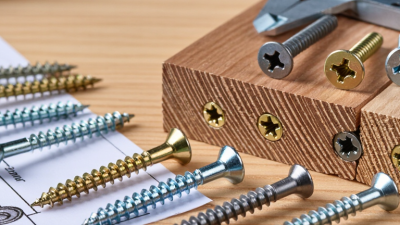
Pocket screws join boards from an angled hole, making them useful for cabinets and face frames where a hidden joint is desired. Choose the screw length for the material thickness, and avoid overtightening; it can split a narrow rail. Trim screws have smaller heads that sit neatly in finish work, such as door casing, but they are not intended to replace structural fasteners. The Forest Products Laboratory’s Wood Handbook explains how wood moisture affects its dimensions and mechanical behavior. That matters when trim crosses seasonal gaps or when outdoor boards stay wet. One imperfect habit worth questioning: using the same screw for every job because it is already in the toolbox. It saves a minute, sometimes creates a repair.

What Are the Top Wood Screw Types in 2026? - Top Wood Screw Types in 2026: Deck, Structural, Pocket, and Trim Screws

Screw Type Typical Uses Common Design Features Material and Corrosion Notes Selection Tips
Deck Screws Fastening deck boards and other exterior wood components to framing. Usually have a countersinking head, a sharp point, and threads designed for wood-to-wood fastening. Some have cutting features beneath the head to help reduce surface splitting. Common options include corrosion-resistant coated steel and stainless steel. Stainless grade and coating choice matter in coastal, wet, or chemically treated-wood environments. Choose a length that provides adequate embedment in the joist without unnecessarily protruding. Check fastener compatibility with the decking material and preservative treatment.
Structural Wood Screws Wood framing connections, ledger attachments, and other load-bearing applications when the fastener is specified for that use. Often feature a larger diameter, a deep or engineered thread, and a reinforced head. Some designs use a self-drilling tip to reduce the need for predrilling in specified conditions. Typically made from hardened steel, with finishes varying by intended exposure. Corrosion resistance and suitability for treated lumber depend on the particular product and coating. Use published load data and installation instructions for the specific fastener. Do not treat an ordinary wood screw as a structural substitute; edge distances, spacing, and embedment affect capacity.
Pocket-Hole Screws Joining boards through angled pocket holes in cabinets, face frames, furniture, and other woodworking projects. Commonly use a wide washer-style head that seats in the pocket and a self-tapping point. Coarse-thread versions are generally used in softwoods; fine-thread versions are generally used in hardwoods. Many are steel with a finish intended for indoor use. Exterior use requires a screw specifically rated for the expected exposure. Match screw length to the joined material thickness and pocket-hole setup. The screw should pull the joint together without breaking through the opposite face.
Trim Screws Attaching trim, molding, and other finish components where a small, less noticeable fastening point is preferred. Typically have a small head, a relatively narrow shank, and a pointed tip. Some are designed to countersink with minimal surface disturbance. Often supplied in steel finishes for interior work; exterior trim calls for an appropriate corrosion-resistant option. Use a length that secures the trim to its backing while limiting the risk of splitting or protrusion. Predrilling may help near edges or in brittle materials.

Selection note: Screw dimensions, finishes, load capacity, and installation requirements vary by product. Follow the fastener manufacturer’s specifications and applicable building requirements, especially for structural and exterior applications.

ASME B18.6.1: Inch-Series Wood Screw Sizes Range from 000 to 24

What Are the Top Wood Screw Types in 2026?

ASME B18.6.1: Inch-Series Wood Screw Sizes Range from 000 to 24

ASME B18.6.1 covers inch-series wood screws, with size designations ranging from 000 to 24. These numbers identify a screw size; they are not measurements in inches. A size 8 screw, for example, is not eight inches wide. The standard provides dimensional specifications, while the right choice depends on the joint, material, and expected load. Small sizes suit delicate work, while larger ones can provide more holding capacity in suitable wood.

Length and head style matter too. A flat head can sit flush in a countersunk hole, while a round head remains visible above the surface. In a workshop, a screw that looks right may still split a narrow board if driven without preparation. Wood density, edge distance, and screw length all affect the result. I still find pilot-hole sizing easy to misjudge, so testing on scrap is worthwhile.

Tips: Check the current ASME B18.6.1 edition and the supplier’s dimensional data before specifying a screw. Drill a pilot hole suited to the screw and wood, especially near an edge. Drive slowly, keep the tool aligned, and stop if the wood begins to crack.

How the NDS Assesses Withdrawal: Wood Specific Gravity, Diameter, and Embedment

What Are the Top Wood Screw Types in 2026?

How the NDS Assesses Withdrawal: Wood Specific Gravity, Diameter, and Embedment

A screw’s withdrawal resistance depends on how strongly its threads grip the wood. Under the National Design Specification (NDS), wood specific gravity, screw diameter, and threaded embedment are key inputs. Denser wood generally provides stronger thread engagement. A larger diameter adds more contact area. Greater embedment can increase resistance, provided the wood remains intact.

Measure the threaded portion inside the member, not the screw’s full length. A smooth shank buried in the wood does not provide the same threaded engagement. Species identification matters, too. If the lumber species is unknown, using a guessed specific gravity can make a calculation look more certain than it is. Check the applicable NDS provisions and design values for the actual material and connection conditions.

Real connections are rarely perfect. A screw near an edge, a split beside the threads, or a poorly sized pilot hole can weaken the result. Pilot holes help control splitting, but they must suit the screw and wood. Moisture, load direction, and applicable adjustment factors may also affect design values. Small details matter. I’d double-check the measured embedment on site; it is easy to count the pointed tip by mistake.

Choosing and Installing Screws: Pilot Holes, Corrosion Resistance, and Load Needs

What Are the Top Wood Screw Types in 2026?

Choosing and Installing Screws: Pilot Holes, Corrosion Resistance, and Load Needs

A screw that looks sturdy can still split a board or pull loose. For hardwood, dense stock, and screws near an edge, drill a pilot hole sized to the screw’s core, not its outer thread. Test on scrap first; a hole that is too wide weakens the grip. The USDA Forest Products Laboratory’s Wood Handbook reports equilibrium moisture content near 12% at 70°F and 65% relative humidity. Wet conditions can keep moisture trapped around a fastener, so choose corrosion-resistant material or coating for the exposure.

Match screw length and embedment to the load, wood species, and grain direction. The American Wood Council’s 2024 National Design Specification bases wood-screw withdrawal design on factors including specific gravity, diameter, and penetration depth; there is no reliable single “safe load” for every board. For structural joints, use its design provisions rather than guessing from screw size alone. One weak point: knots and changing grain can make even a careful calculation less predictable.

Tips: Check the grain. Keep the pilot straight, especially near board ends. Drive slowly; stop if the head strips or the wood begins to split. Recheck the joint after tightening. A tidy installation is useful, but it is not proof of capacity.