How to Choose the Right Wood Screw for Your Project?
Choosing the right wood screw can significantly impact your project's success. Wood screws come in various types, sizes, and materials. Selecting the correct one is crucial for durability and functionality. Understanding the specifics is essential as each screw serves a unique purpose.
When selecting a wood screw, consider the size. It affects strength and appearance. A screw that’s too long may split the wood. A short screw might not provide enough grip. Materials also play a role in performance. Steel screws are strong but may rust. Coated screws resist corrosion but may be pricier.
Take time to evaluate your project needs. Rushing through screw selection can lead to issues later. Don’t overlook the importance of thread design and head type. They can influence ease of installation and overall stability. A thoughtful choice will ensure better results and a more appealing finish.
Understanding Different Types of Wood Screws and Their Uses
When choosing the right wood screw, understanding the different types and their purposes is essential. Wood screws can vary significantly in design, material, and thread patterns. According to a recent industry report, nearly 40% of construction failures are linked to improper fastener selection. Knowledge of screw types can help avoid these costly mistakes.
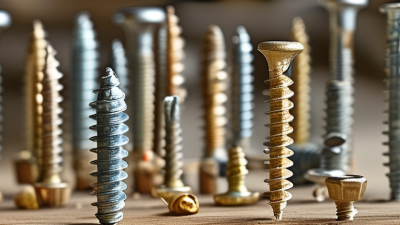
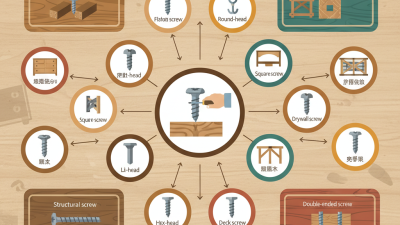
Common wood screws include flat head, pan head, and round head designs. Flat head screws are used for flush installations. Pan head screws provide a larger bearing surface. Round head screws are less common, often used for aesthetic purposes. Each type serves a specific function, and using the wrong one can weaken joints.
Moreover, the choice of material matters. Steel screws are robust but may corrode over time. Stainless steel is more durable in moist conditions. According to a survey by the Fastener Institute, 65% of builders favor stainless steel for outdoor projects. Proper selection of screw type and material not only enhances project integrity but also reflects professional craftsmanship. Understanding these nuances can elevate your work quality significantly.
Factors to Consider When Selecting Wood Screws for Your Project
When selecting wood screws for your project, several factors come into play. The type of wood is crucial. Hardwoods like oak require stronger screws than softwoods. According to industry data, screws designed for hardwoods typically have a different thread design and a higher tensile strength. This can make a significant difference in the durability of your finished project.
The length and diameter of the screw also matter. A general guideline is to use a screw that is at least twice as long as the thickness of the wood being joined. This ensures optimal holding power. However, using screws that are too thick can split the wood, especially in thinner materials. Data from consumer reports indicates that an appropriate size can improve the overall integrity of wood joints.
The corrosion resistance of screws should not be overlooked. Exposure to moisture can lead to rust, weakening connections. Choosing screws with treated coatings can prolong their life. Industry findings suggest that using coated screws increases longevity by up to 50%. Be mindful that not all coatings are equal; evaluating compatibility with your project environment is essential.
How to Choose the Right Wood Screw for Your Project?
| Screw Type |
Diameter (inches) |
Length (inches) |
Material |
Coating |
Best Use |
| Wood Screw |
#8 |
2 |
Steel |
Zinc-plated |
Furniture assembly |
| Deck Screw |
#10 |
3 |
Stainless Steel |
Coated |
Outdoor decking |
| Self-tapping Screw |
#6 |
1.5 |
Carbon Steel |
Rust-resistant |
Sheet metal |
| Lag Screw |
1/4 |
4 |
Steel |
Hot-dipped galvanized |
Heavy-duty applications |
| Pocket Hole Screw |
#6 |
2.5 |
Brass |
Plain |
Joinery |
Guide to Screw Sizes, Lengths, and Threads for Wood Applications
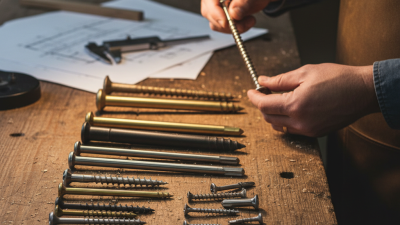
Choosing the right wood screw involves understanding various sizes, lengths, and threads. Wood screws come in different diameters and lengths. Common sizes range from #4 to #14, and lengths can vary from 1 inch to over 6 inches. The appropriate screw size depends on the thickness of the wood you’re joining. A too-small screw won’t hold, while a too-large screw can split the wood.
Thread type is essential for a secure grip. Coarse threads work better in softwoods, while fine threads are ideal for hardwoods. They provide better holding power and reduce the risk of splitting. You might think all screws are similar, but the differences impact project outcomes significantly. Remember to double-check your choices; sometimes, an overlooked detail can alter the project trajectory.
Reflections on past projects reveal many learnings about screw selection. A miscalculation once led to a structural issue that required extra work. Take your time in selecting the right screws. Each project is unique, and what worked last time may not apply here. Experiment and see what works best for you.
Choosing the Right Material and Coating for Wood Screws
When selecting wood screws, the material and coating are crucial for your project's success. Stainless steel screws are resistant to rust and corrosion. They work well for outdoor projects. However, they can be more expensive. Brass screws offer a decorative alternative for indoor projects. They may corrode in moist conditions, so avoid using them outdoors.
Coatings also play a significant role. A zinc plating adds a layer of protection against moisture. It can help extend the life of screws in various applications. On the other hand, black oxide screws provide a sleek finish but offer less corrosion resistance. Choose based on your project's specific needs.
Tips: Always check the environment where the screws will be used. If the area is humid, opt for stainless steel. Verify the compatibility of the screw material with the wood type. This can prevent issues like splitting. Be aware that using the wrong screw can lead to project failures. Take time to assess and reflect on your choices before making a final decision.
Essential Tips for Properly Installing Wood Screws in Different Woods
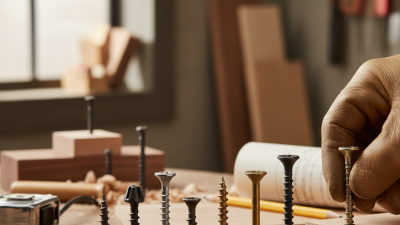
Installing wood screws correctly is crucial for any woodworking project. Different types of wood require different approaches. For instance, hardwoods like oak and maple are dense. They need pilot holes to avoid splitting. A drill bit slightly smaller than the screw diameter works well. This prevents the screw from cracking the wood.
Softwoods, such as pine, are easier to work with. You might not need pilot holes for smaller screws. However, pre-drilling can help achieve a better fit. It allows the screw to penetrate deeply without resistance. It's worth noting that using the wrong length screw can be problematic. Too long a screw can protrude or damage the wood underneath.
Installing screws at the correct angle is also important. A straight approach helps ensure a tight grip. Angled installations may lead to loose connections. Avoid driving screws too fast. This can strip the threads or break the screw. Smoothing the surface afterward can enhance aesthetics. Slowing down the process allows for better results, even if it feels tedious. Patience can lead to strong, lasting joints in your projects.
Wood Screw Choice by Wood Type
This bar chart illustrates the recommended screw sizes for various wood types, assisting you in choosing the right wood screw for your project.