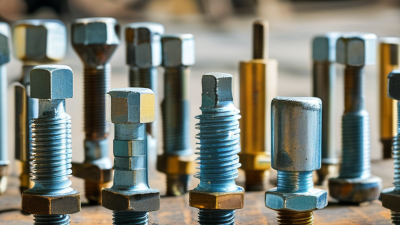
2026 Top Button Head Bolt Types for Global Buyers

A Button Head Bolt may look simple on a catalog page: a broad, low-profile head, a hex socket, and a threaded shank. But the right choice depends on the joint, installation space, material, and service conditions. Buyers comparing 2026 options should examine head dimensions, thread specification, material grade, coating, and supplier documentation—not price alone. Small differences matter. A socket that clears a recessed panel in a prototype may be difficult to reach on a production line.

Grand View Research estimated the global fasteners market at USD 90.7 billion in 2023 and forecast a 4.3% compound annual growth rate from 2024 to 2030. That figure covers fasteners broadly; it is not a Button Head Bolt market estimate. The distinction matters when evaluating demand claims. For technical grounding, Richard T. Barrett’s NASA Fastener Design Manual is a recognized reference on fastener-joint design. However, I cannot verify a direct quotation from Barrett specifically about Button Head Bolts, so attributing one would be misleading. The practical lesson is clear: assess the complete joint, not the bolt in isolation.

This guide compares common Button Head Bolt types and their trade-offs for global buyers, from stainless-steel options for exposed equipment to alloy-steel choices for compact assemblies. Check the drawings. Confirm the specification. And ask suppliers for traceable test and material records. One caveat remains: published market data rarely separates this head style from the wider fastener category, so buyers should treat narrow market forecasts carefully.
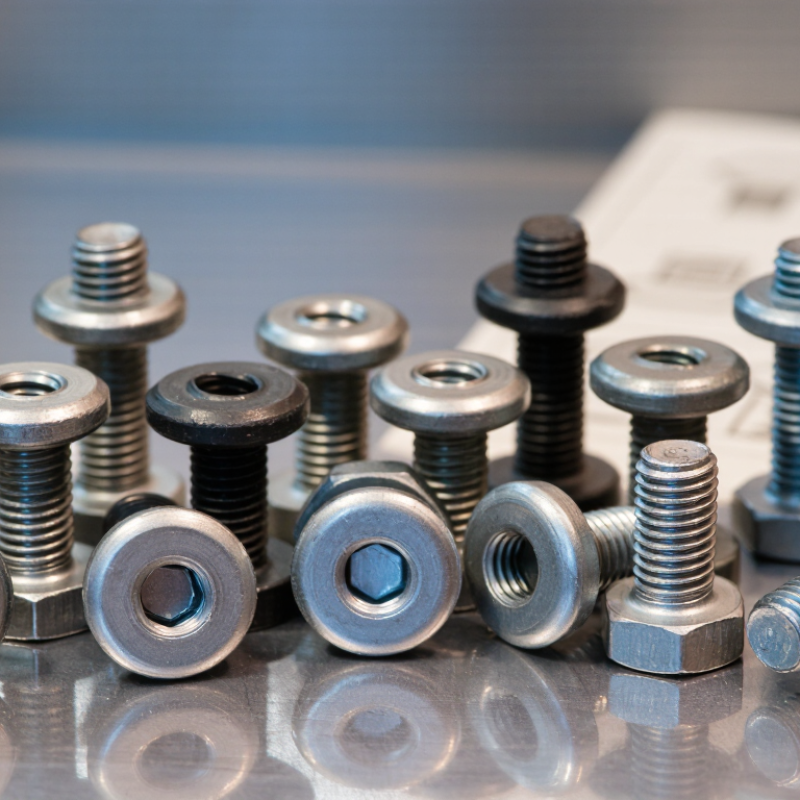
2026 Top Button Head Bolt Types for Global Buyers

Button Head Bolts: Definition, Structure, and Key Features

Button head bolts are fasteners with a rounded, low-profile head and a recessed drive. Their smooth dome reduces snagging on exposed equipment surfaces.

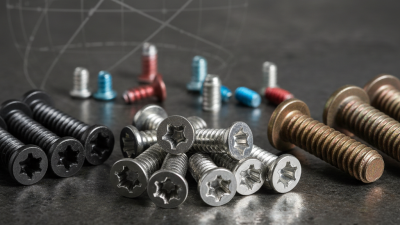
Most designs use a hex socket or star-shaped recess. The shank may have full or partial threads, depending on the joint. Under the head, the bearing surface presses against the connected material. This structure spreads clamping pressure across a compact area.

Common materials include carbon steel, alloy steel, and stainless steel. Plated finishes can improve corrosion resistance, but coating choice should match the working environment. Outdoor equipment, humid machinery, and clean-processing areas require different material decisions.

Button head bolts suit guards, frames, panels, and assemblies with limited clearance. Their appearance is neat, but appearance is not performance. The lower head may provide less drive engagement and lower load capacity than a socket head cap screw. This point is easy to overlook.

Thread diameter, pitch, grade, length, and drive size must be checked together. Adequate thread engagement helps prevent stripping. A washer may protect softer surfaces, though it can change the joint’s clamping behavior. In field installations, inconsistent torque remains a common weakness.

For global buyers in 2026, technical drawings and inspection records are more dependable than product labels. Confirm dimensions, material certificates, surface treatment, and applicable standards before purchase. A small recess mismatch can delay assembly. That lesson is expensive.

Major Button Head Bolt Types and Their Design Differences

2026 Top Button Head Bolt Types for Global Buyers

Major Button Head Bolt Types and Their Design Differences

Button head bolts provide a smooth, rounded profile where exposed fasteners need a cleaner appearance. The common hex socket type uses an internal six-sided drive. It suits general machinery, furniture frames, and light structural assemblies. Torx-style drives resist cam-out better during powered installation. They can help when repeated servicing is expected. Flange button head bolts add a wider bearing surface beneath the head. This feature can reduce surface pressure on softer panels.

Low-profile button head bolts fit tight spaces, but their smaller head height may reduce tool engagement. Tamper-resistant versions use special recesses, making casual removal more difficult. Stainless steel types handle moisture well, while alloy steel versions usually provide higher strength. Thread pitch, diameter, and head height must match the mating component. A polished finish looks attractive. It does not replace corrosion testing.

Tips: Check the drive depth before ordering. A shallow socket may strip under high torque. Confirm the bolt’s strength class, thread standard, washer fit, and actual grip length. I have seen buyers select by head shape alone, then discover insufficient thread engagement. That mistake is easy to repeat. A sample assembly test can reveal tool clearance, coating thickness, and unexpected installation pressure before bulk purchasing.

Materials, Coatings, and Performance Properties

For button head bolts, material choice sets the useful performance range. ISO 898-1:2013 specifies a minimum tensile strength of 1,040 MPa for property class 10.9 carbon or alloy steel bolts. That strength suits compact joints carrying substantial loads, but it does not compensate for poor thread engagement. A shallow socket can also limit installation torque. Fit matters.

Stainless steel offers better resistance to many wet environments, though strength varies by grade. Under ISO 3506-1, A4-80 fasteners have a minimum tensile strength of 800 MPa. Zinc electroplating can protect steel from corrosion, while zinc-flake coatings are another option for demanding exposure. For high-strength steel, coating processes need careful control because hydrogen uptake can increase delayed fracture risk. ASTM F1941/F1941M addresses electrodeposited coatings on fasteners; specify process controls, not just a coating name.

Salt-spray results need context. ISO 9227 defines laboratory corrosion tests, but hours in a chamber do not directly predict years outdoors. Check the test method, coating thickness, and actual exposure, such as coastal spray or trapped water under a washer. Stainless steel can still stain in crevices. That detail is easy to miss. A coating choice should match the joint, not merely the catalog description.

Global Standards, Sizes, and Compatibility Considerations

2026 Top Button Head Bolt Types for Global Buyers

Global Standards, Sizes, and Compatibility Considerations

Button head bolts create a low-profile finish while retaining useful clamping strength. Common types include hex socket, six-lobe drive, and tamper-resistant socket designs. Metric versions often follow ISO 7380, while inch-based products may reference ASME dimensional practices. These standards can differ in head diameter, recess depth, and thread details.

Check the thread before checking the price. Metric coarse threads, UNC, and UNF are not interchangeable, even when the diameter appears similar. A 6 mm metric bolt may look close to a 1/4-inch bolt, yet its pitch will usually fail in the mating hole. Measure diameter, pitch, length, and usable thread engagement with calibrated tools. Small errors matter.

Compatibility also depends on material and installation conditions. Stainless steel suits humid environments, while alloy steel supports higher mechanical loads after proper grade verification. Match the bolt with the washer, nut, insert, and tightening method. A shallow socket can damage the recess during field assembly. That mistake is common.

I have seen buyers specify length from the total bolt size instead of the underside of the head. This creates unexpected grip problems. It is worth reviewing the drawing, sample part, and actual installation space together. Some specifications remain unclear, especially when suppliers convert between imperial and metric sizes. Recheck them.

How Buyers Select and Source Button Head Bolts in 2026

2026 Top Button Head Bolt Types for Global Buyers

How Buyers Select and Source Button Head Bolts in 2026

Global buyers are choosing button head bolts by application, not appearance. Common options include standard socket button bolts, flange-head versions, stainless steel bolts, and high-strength alloy steel types. ISO 7380 defines key dimensions for socket button head screws, while ISO 898-1 supports mechanical property selection for carbon and alloy steel fasteners. The head must fit the assembly space. The drive must survive repeated tightening.

Market pressure is also shaping sourcing decisions. Grand View Research’s industrial fasteners analysis forecasts steady market growth through 2030, supported by construction, machinery, and transport demand. Buyers now compare tensile strength, corrosion resistance, thread accuracy, coating thickness, and lot traceability. A clear inspection report matters. So does stable packaging. Mixed bins create expensive mistakes.

Experienced procurement teams request samples before approving volume orders. They check gauge fit, head diameter, thread engagement, and torque performance. ASTM F606/F606M provides widely used test methods for mechanical verification. Stainless steel may suit humid equipment, but it can cost more and gall during installation. Zinc-coated alloy steel can reduce cost, yet coating damage deserves attention. Cheap is not always efficient.

Supplier audits should review material certificates, calibration records, inspection frequency, and corrective-action history. Buyers should also confirm production capacity, minimum order quantities, delivery terms, and export documentation. One weakness remains common: specifications are sometimes copied without checking actual loads. Reconsider that habit. A precise drawing prevents a costly shipment.