
China Top Furniture Bolt Manufacturers How to Choose
Choosing among China’s top Furniture Bolt manufacturers requires more than comparing unit prices. A bolt may look simple, yet its thread accuracy, hardness, coating, and load performance can determine whether a cabinet remains stable for years. Factory experience matters.
Furniture hardware specialist Lars Müller puts it clearly: “A reliable bolt begins with controlled steel, accurate threads, and repeatable inspection.”
That principle should guide every supplier evaluation. Ask manufacturers about steel grades, production equipment, heat treatment, and surface finishing. Request inspection records, material reports, and samples from current production. A polished sample is useful, but it may not represent daily output.
Check the details.
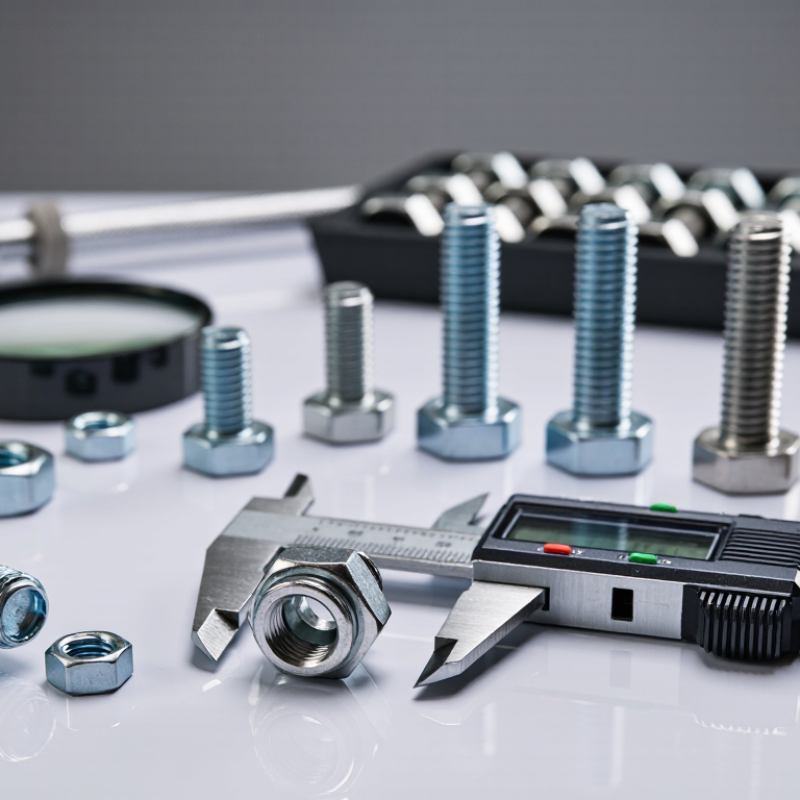
Measure thread fit with the matching nut. Inspect the head for burrs, cracks, and uneven plating. Test several pieces, not one. For outdoor or humid environments, salt-spray performance and corrosion protection deserve special attention.
A dependable Chinese manufacturer should also explain its quality-control process without vague promises. Look for incoming-material checks, in-process inspections, final sampling, and traceable batch numbers. Communication matters too. Delayed answers can become delayed shipments.
Certifications can support confidence, but they should not replace physical testing. Some buyers focus heavily on price and later discover loose joints, damaged coatings, or inconsistent dimensions. That mistake is expensive.
No supplier is perfect. Even a strong factory can experience variation. The better question is how openly it detects, documents, and corrects problems. Compare samples, audit evidence, production capacity, packaging methods, and after-sales support before signing an agreement. The right Furniture Bolt partner offers stable quality, transparent communication, and practical solutions for your specific furniture design.
Understanding Furniture Bolt Types and Application Requirements
China Top Furniture Bolt Manufacturers: How to Choose
Understanding bolt types starts with the furniture’s load, material, and assembly frequency. CSIL’s World Furniture Outlook 2024 estimates global furniture consumption at about US$766 billion in 2023. This scale increases demand for repeatable, traceable fastening solutions. Confirmat bolts suit particleboard cabinets because their deep threads improve grip in engineered wood. Cam-lock connectors support flat-pack assembly and later disassembly. Connector bolts with barrel nuts work well in beds, tables, and thicker panels. Hanger bolts are useful when a threaded stud must join wood and metal components. Fit matters.
Application requirements should guide material and geometry. For high-cycle assembly, check thread wear, head engagement, and tightening torque. For humid rooms, zinc-plated or stainless options can reduce corrosion risk, but coating quality still matters. ISO 898-1 defines mechanical property classes for many carbon and alloy steel fasteners; it does not replace furniture-specific testing. A 2024 Grand View Research assessment projects the furniture hardware market to grow at roughly 5.8% annually through the decade. That growth can encourage shortcuts. Do not guess.
During supplier evaluation, request dimensional inspection records, material certificates, torque tests, and sample assemblies using your actual panels. Measure thread engagement, not just bolt length. A bolt that feels tight may still split weak particleboard. One overlooked issue is edge distance; placing a connector too close to an edge can cause cracking during installation. Testing assumptions is uncomfortable, but necessary. I would also recheck the design after repeated assembly, because first-fit performance can hide later loosening.
China Top Furniture Bolt Manufacturers How to Choose - Understanding Furniture Bolt Types and Application Requirements
| Furniture Bolt Type | Common Standards or Terminology | Typical Materials | Main Furniture Applications | Key Application Requirements | Selection Considerations |
|---|---|---|---|---|---|
| Cam Connector Bolt | Furniture cam-and-dowel connector systems; dimensions vary by system | Zinc-plated steel, nickel-plated steel, or zinc alloy | Flat-pack cabinets, bookcases, wardrobes, desks, and modular storage units | Accurate hole diameter, drilling depth, bolt length, and cam alignment | Match the bolt to the cam housing and panel thickness; check pull-out resistance and repeated assembly performance |
| Confirmat Screw | Specialized particleboard and MDF furniture screw; commonly used with pre-drilled holes | Carbon steel with zinc plating or other protective finishes | Cabinet carcasses, shelving, worktops, and engineered-wood panels | Correct pilot-hole diameter, sufficient edge distance, and controlled driving torque | Select the length according to panel thickness; avoid over-tightening, which can damage MDF or particleboard |
| Barrel Nut and Connecting Bolt | Cross dowel, cross nut, furniture joint bolt, or barrel nut connector | Zinc-plated steel, stainless steel, or brass-plated steel | Beds, tables, chairs, sofas, shelving frames, and knock-down wooden joints | Precise cross-hole positioning, adequate thread engagement, and sufficient joint clamping force | Verify barrel diameter, bolt thread size, bolt length, and access for tightening after assembly |
| Hanger Bolt | Double-ended stud with wood-screw thread and machine-screw thread | Carbon steel, zinc-plated steel, or stainless steel | Table legs, furniture feet, bed frames, brackets, and threaded inserts | Compatible wood-thread penetration, correct machine-thread size, and adequate installation depth | Confirm both thread sections, overall length, installation method, and resistance to loosening under vibration |
| Hex Socket Head Cap Screw | ISO 4762 or DIN 912; metric coarse threads are common | Alloy steel, stainless steel, or zinc-plated carbon steel | Metal furniture frames, office furniture, adjustable structures, and high-strength joints | Correct strength grade, thread engagement, tightening torque, and tool clearance | Use a suitable washer where required; select corrosion-resistant material for humid or frequently handled furniture |
| Flat Head or Countersunk Furniture Screw | Countersunk screw; drive types include Phillips, Pozidriv, Torx, and hex socket | Carbon steel, stainless steel, or coated steel | Visible or semi-concealed joints in wood, plywood, MDF, and metal brackets | Countersink angle, head diameter, pilot-hole size, and flush installation | Choose a head finish that matches the furniture surface and a drive system that reduces cam-out during production |
| T-Nut with Machine Screw or Bolt | Pronged T-nut, insert nut, or threaded insert system | Zinc-plated steel, stainless steel, brass, or zinc alloy | Removable table legs, upholstered furniture, wooden frames, and adjustable components | Secure insert retention, suitable pilot hole, sufficient panel thickness, and repeated load capability | Select the insert style according to the substrate; pronged versions need adequate installation support |
| Shoulder Bolt | Shoulder screw; smooth shoulder section with a threaded end | Alloy steel, stainless steel, or hardened steel | Hinges, folding mechanisms, drawer slides, pivot points, and moving furniture hardware | Accurate shoulder diameter and length, smooth rotation, and controlled side clearance | Measure the functional shoulder rather than only the thread; consider wear, lubrication, and shear loads |
| U-Bolt | U-shaped threaded fastener with nuts and washers | Zinc-plated steel or stainless steel | Tubular furniture frames, chair bases, metal supports, and cable or pipe retention | Correct inside width, leg spacing, bend radius, and clamping surface | Match the U-bolt shape to the tube diameter and use washers to distribute clamping pressure |
| Threaded Rod with Nuts and Washers | Fully threaded rod; metric threads such as M6, M8, M10, or M12 are commonly specified | Carbon steel, zinc-plated steel, stainless steel, or high-strength alloy steel | Long structural joints, shelving systems, furniture frames, and custom assemblies | Adequate tensile strength, straightness, nut engagement, and load distribution | Cut to the required length only when permitted; protect exposed threads and use locking hardware where necessary |
Furniture Bolt Selection Checklist
| Selection Dimension | What to Check | Practical Recommendation |
|---|---|---|
| Load Type | Tension, shear, bending, vibration, impact, or repeated assembly loads | Select the fastener geometry and strength grade according to the dominant load, not appearance alone |
| Panel or Tube Material | Solid wood, plywood, MDF, particleboard, aluminum, or steel | Use furniture connectors designed for engineered wood and machine-thread systems for metal components |
| Dimensions | Thread diameter, pitch, bolt length, head diameter, shoulder size, and panel thickness | Prepare a complete dimensional drawing and verify tolerances before production tooling is finalized |
| Corrosion Environment | Indoor dry use, kitchens, bathrooms, coastal areas, outdoor use, or cleaning exposure | Consider stainless steel or an appropriate protective coating for moisture, salt, and chemical exposure |
| Assembly Method | Manual assembly, pneumatic tools, electric screwdrivers, or automated production lines | Choose a consistent drive type and define installation torque to reduce stripping and joint damage |
| Serviceability | Need for disassembly, relocation, repair, or component replacement | Use cam connectors, barrel nuts, threaded inserts, or machine bolts for repeatable non-permanent assembly |
| Quality Verification | Dimensions, thread gauge, coating condition, hardness, torque performance, and fit testing | Approve samples before mass production and inspect critical dimensions using calibrated measuring equipment |
Related Posts
-
What Is the Best Furniture Bolt from China?
-
2026 Best Furniture Screw Types for Your Home Projects?
-
Top Furniture Fasteners to Discover at 2026 Canton Fair?
-
What is a Hot Sale Carriage Bolt? Uses, Features, and Buying Guide
-

Why Choose Stainless Torx Screws for Your Projects?
-
How to Choose the Right Truss Head Carriage Bolt for Your Project?