What Is the Best Furniture Bolt from China?
Choosing the best Furniture Bolt from China requires more than comparing prices or browsing polished product photos. The right choice depends on joint design, material strength, thread accuracy, surface treatment, and production consistency. A bolt may look excellent in a sample box, yet perform poorly when installed repeatedly.
John H. Bickford, a respected fastening engineer and author of Handbook of Bolts and Bolted Joints, described the principle simply: “The bolt is a spring.” This observation matters in furniture manufacturing. A Furniture Bolt must create stable clamping force without damaging wood, panels, threaded inserts, or metal frames. Its length, head style, thread form, and tightening behavior all influence the finished product.
Reliable Chinese suppliers usually provide clearer material details, dimensional drawings, inspection records, and sample support. Look for appropriate steel grades, controlled thread tolerances, corrosion-resistant finishes, and consistent head dimensions. ISO 898-1 may help evaluate mechanical properties for suitable steel fasteners, but furniture applications still require practical testing.
Factory experience also matters. Ask whether the supplier checks thread gauges, coating thickness, torque performance, and batch consistency. Test the bolt in the actual furniture assembly. A laboratory report cannot replace that step.
There is no universal winner. Some projects need zinc-plated steel. Others need stainless steel, black oxide, or a stronger custom design. Price can guide the first shortlist, but it should not decide the final purchase.
A small weakness remains. Many buyers focus on appearance and ignore installation feedback. That mistake is easy to repeat. The best Furniture Bolt is the one that fits accurately, clamps reliably, survives handling, and performs consistently in real production.
What Makes a High-Quality Furniture Bolt from China?
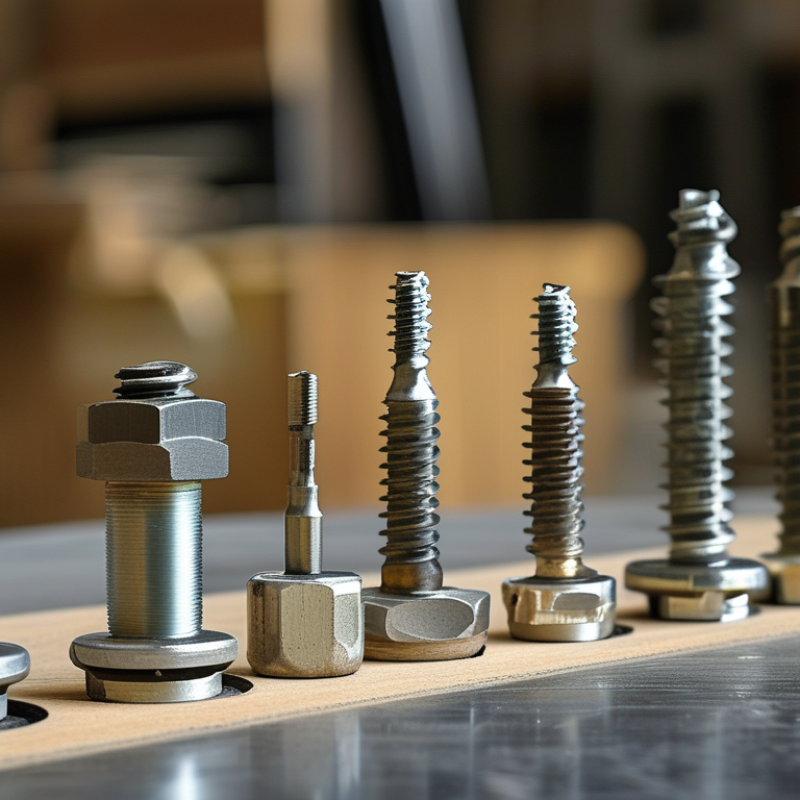
A high-quality furniture bolt from China begins with controlled steel, accurate dimensions, and consistent threads. In practical inspections, I check the bolt against the approved drawing, not only its appearance. The diameter must remain stable along the shaft. Threads should engage smoothly without scraping or sudden resistance. Small errors matter. They can loosen a chair joint or split a wooden panel.
Material choice depends on the furniture’s load, moisture, and assembly method. Carbon steel may suit indoor frames with reliable surface protection. Stainless steel is more suitable for damp rooms, but it costs more. A dependable supplier should provide material records, dimensional reports, and batch traceability. Mechanical testing also matters. Torque, tensile strength, and hardness results reveal more than polished packaging. I would request samples from different production batches before approving a large order.
Surface treatment should be even, with no bare edges, blistering, or heavy residue. Packaging deserves attention too. Loose bolts can rub together and damage their threads during transport. One lesson is easy to overlook: a bolt can pass basic inspection and still fail during repeated assembly. I would test the actual bolt, nut, washer, and panel together. Factory photos help, but independent inspection offers stronger evidence. Even then, inspection is not perfect; sampling can miss defects. Clear tolerances and retained samples make later decisions more reliable.
Which Types of Chinese Furniture Bolts Suit Different Applications?
What Is the Best Furniture Bolt from China?
Which Types of Chinese Furniture Bolts Suit Different Applications?
China exported about US$73.4 billion in furniture and parts during 2023, according to customs data reported by the China National Furniture Association. That scale supports broad bolt selection, but “best” depends on the joint, load, and environment. I would not choose by price alone. Fit matters more.
Confirmat bolts suit chipboard, MDF, and flat-pack cabinets. Their coarse threads grip engineered wood, while the wide head helps resist pull-through. Cam-lock connector bolts work better for knock-down furniture. They allow repeated assembly and cleaner factory packing. Beds and heavy cabinets often need barrel nuts with machine screws. This combination spreads force through panel joints. That assumption fails when the panels are too thin.
For wooden legs, hanger bolts provide a practical wood-to-metal connection. Use stainless steel in humid rooms or coastal projects. Zinc-plated carbon steel usually fits dry indoor furniture and costs less. ISO 898-1 helps verify carbon-steel bolt properties, while ISO 3506 covers stainless fasteners. The 2024 Global Furniture Market report by IMARC Group places the global market at over US$550 billion, showing why repeatable fastening matters across large production runs. Still, reports cannot replace testing. Check thread engagement, head seating, coating thickness, and torque on sample joints. A bolt can look precise and still loosen after vibration. Thin panels remain a common weak point.
What Is the Best Furniture Bolt from China?
The best furniture bolt depends on the application. Carriage bolts are suitable for visible wood-to-wood joints, hex flange bolts work well for stronger structural connections, socket head cap screws are useful where access is limited, and confirmat screws are designed specifically for particleboard and MDF furniture. The scores below are practical suitability ratings from 1 (limited suitability) to 5 (high suitability), based on typical bolt design, installation method, and common furniture applications.
How to Evaluate Materials, Finishes, and Manufacturing Standards
What Is the Best Furniture Bolt from China?
The best furniture bolt depends on load, moisture, appearance, and assembly frequency.
Start with the material, not the catalog photograph. Carbon steel offers strong clamping force at a practical cost. Stainless steel suits kitchens, bathrooms, and humid rooms. For ordinary indoor furniture, zinc-plated steel may be sufficient. However, thin plating can fail around sharp threads or cut edges.
Inspect the bolt head, threads, and shoulder closely. Clean threads should turn smoothly by hand. Burrs often reveal weak finishing control. A bolt that looks polished may still have poor internal strength.
Finishes should match the real environment.
Electro-zinc plating improves basic corrosion resistance, while thicker protective coatings support harsher conditions. Ask for coating thickness, surface treatment details, and test records. Salt-spray results help, but they do not predict every household environment.
Manufacturing standards deserve equal attention.
Request material certificates, batch traceability, dimensional reports, and mechanical test results. Thread gauges should confirm pitch accuracy. Torque testing can show whether the bolt holds without stripping the panel or insert.
Reputable factories normally control these points through documented inspection procedures. Yet documents alone are not proof. Independent sampling remains valuable. I have seen attractive bolts fail because the thread depth was inconsistent. That detail is easy to miss. A careful buyer should compare samples, production batches, and actual assembly performance before choosing the most suitable furniture bolt.
How to Choose a Reliable Chinese Furniture Bolt Supplier
What Is the Best Furniture Bolt from China?
How to Choose a Reliable Chinese Furniture Bolt Supplier
A reliable supplier starts with the bolt specification, not the lowest quote. Define thread size, length, head style, material, strength grade, finish, and tolerance. For load-bearing joints, request test results for tensile strength, hardness, coating thickness, and corrosion resistance. ISO 898-1 can guide mechanical requirements for carbon-steel fasteners. Stainless options may suit humid rooms, but they can cost more.
Certificates help, but they are not proof of every shipment. The ISO Survey 2023 reported 1,265,216 ISO 9001 certificates worldwide. That figure shows quality systems are widespread. It does not guarantee consistent bolt batches. Ask for the certificate scope, recent audit date, and batch-level inspection records. Request samples from normal production, not specially prepared samples. Small details matter. Check thread smoothness, washer fit, plating uniformity, and carton labels.
Supplier verification should include a factory audit or independent inspection. Confirm equipment, testing capacity, worker training, and raw-material traceability. A heat number should connect the steel receipt to the finished carton. The World Bank’s 2023 Logistics Performance Index ranked China 19th, with a score of 3.7. Logistics are strong, yet delays still happen around holidays or port congestion. Build buffer time into the purchase plan. I would also begin with a small trial order. It may feel inefficient, but it exposes packaging, communication, and consistency problems before a large shipment. A polished brochure cannot replace repeatable inspection data.
What Quality Checks Should Buyers Complete Before Ordering?
The best furniture bolt from China is not defined by price alone. Buyers should verify material, dimensions, thread accuracy, coating, and tested strength before ordering. Request the exact steel grade, not a vague “high-strength” description. Confirm the bolt diameter, length, pitch, head size, and thread tolerance against your drawing. A sample should fit the matching nut smoothly, without forcing or wobbling. Small differences can weaken a chair joint.
Inspect the surface under bright light. Look for peeling coating, rust marks, sharp burrs, and uneven plating around the threads. Ask for batch-specific test reports covering tensile strength, hardness, and coating thickness. Generic certificates are less useful. For outdoor furniture, consider salt-spray testing and moisture exposure. For indoor furniture, repeated assembly testing may reveal damaged threads or loose connections. An independent inspector can measure samples before shipment, especially when the order is large. This extra step costs money, but replacement hardware costs more.
Packaging also deserves attention. Bolts should be separated by size and protected from moisture during transport. Count samples from different cartons, not only from one convenient box. I have found that polished samples can hide inconsistent production batches. That risk is easy to underestimate. Keep an approved reference sample and record every measurement. If the supplier resists traceability, unclear answers, or destructive testing, pause the order and investigate further. A lower quote is not a quality check.