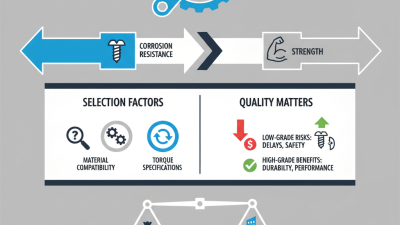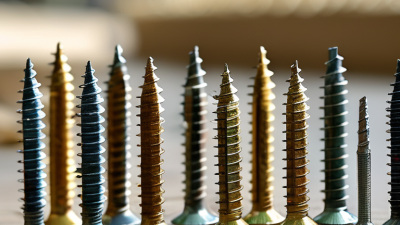
Why Choose Stainless Carriage Bolts for Your Project?

When a project depends on a clean, secure joint, the fastener deserves more attention than it often gets. A Stainless Carriage Bolt combines a smooth, rounded head with a square neck that helps resist turning as the nut is tightened. That detail matters when fastening a timber bench, garden gate, or bracket against a visible surface. No sharp corners on top. Stainless steel can help limit rust in damp settings, though performance depends on the alloy, exposure, and maintenance. “Stainless” is not magic. Salt spray, trapped moisture, and contact with dissimilar metals can still cause problems over time.

Choosing a bolt well means matching more than its appearance. Check the diameter, length, thread engagement, and material grade against the load and surrounding materials. For outdoor timber, account for compression and seasonal movement; a snug fit today may loosen later. Use compatible nuts and washers, and avoid overtightening, which can crush wood fibers or damage threads. Small details count. For critical structural connections, follow applicable engineering specifications and manufacturer data rather than relying on a general rule. This guide explores where carriage bolts work well, how stainless grades differ, and what to inspect before installation. It also considers their limits, because no fastener suits every environment or joint. The best choice fits the real conditions—not simply the brightest finish.
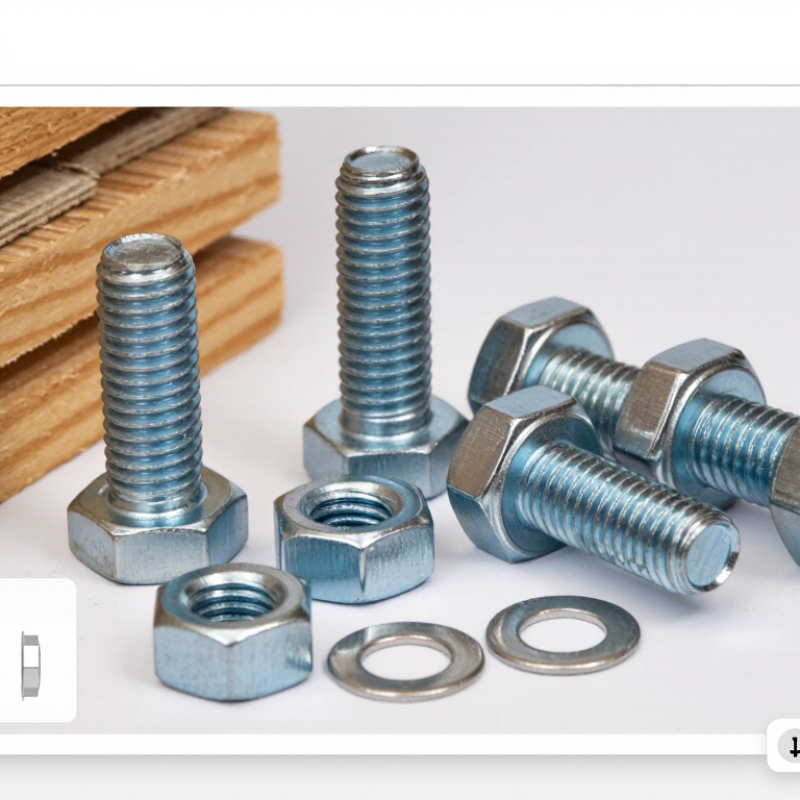
Why Choose Stainless Carriage Bolts for Your Project?

What Stainless Steel Carriage Bolts Are

A stainless steel carriage bolt is a fastener with a smooth, rounded head and a square section directly beneath it. Its shank may be partly or fully threaded, depending on the bolt’s design. The square neck is the defining feature. When driven into wood, it grips the material and helps keep the bolt from turning as a nut is tightened. In metal assemblies, it generally needs a matching square opening.

The rounded head sits above the surface, with no screwdriver slot or wrench flats. That makes it useful where a low-profile, finished appearance matters, such as a bench frame or outdoor railing. Installation is fairly simple: pass the bolt through aligned holes, seat the square neck, then tighten a nut on the other side. Check the fit first. A loose square opening can let the bolt spin, which is frustrating during assembly.

Stainless steel helps resist corrosion when exposed to moisture, but it is not immune to staining or damage. Alloy grade, surface conditions, and exposure all matter. Salt air can be demanding. Stainless fasteners may also be softer than some hardened steel alternatives, and their threads can bind if overtightened. I would not assume every stainless carriage bolt suits every load; confirm dimensions and strength needs for the joint.

How Their Head and Shank Create a Secure Fastening

A stainless carriage bolt secures a joint through the way its head and shank work together. The broad, domed head spreads contact over the surface and leaves fewer sharp edges to catch clothing or tools. Beneath it, a square shoulder sits against the material. When the nut is tightened, that shoulder helps stop the bolt from spinning.

Fit comes first. In wood, the square shoulder needs to press into a suitably sized hole; if the hole is too wide, the bolt may turn during tightening. A washer can help distribute pressure beneath the nut, especially on softer timber. Tighten firmly, but avoid crushing the wood fibers. That part is easy to misjudge.

Stainless steel can help resist corrosion in damp settings, but performance depends on the steel grade and exposure. Salt or harsh chemicals may still cause staining or damage. For a dependable joint, match the bolt length to the materials, check that enough thread extends for the nut, and make sure the shoulder is seated before tightening. One small detail: a smooth-looking fit can still be loose underneath.

How Stainless Steel Resists Corrosion

Stainless carriage bolts resist corrosion because chromium in the steel forms a thin protective film when exposed to oxygen. If the surface is scratched, the film can often reform. This protection is useful on outdoor decks, gates, and equipment exposed to rain. But stainless steel is not rustproof in every setting. Grade matters. Type 304 suits many everyday applications, while Type 316 generally handles chloride exposure better, including coastal air and de-icing salts. Neither grade is a universal fix; a sheltered garden structure faces different conditions from a dock railing.

Small details matter. Water trapped beneath a washer or in a tight joint can limit oxygen and encourage crevice corrosion. Keep surfaces clean, and avoid leaving iron particles from ordinary steel tools on the fastener; they can create rust-colored stains. When stainless bolts contact dissimilar metals, moisture may also increase galvanic corrosion risk, so suitable washers or isolation may help. It is easy to focus only on the bolt’s material and overlook the joint around it. That part deserves a careful look, too.

Where Stainless Carriage Bolts Are Commonly Used

Stainless carriage bolts are common wherever a smooth, rounded head and secure fastening suit the job. In timber decks, fences, outdoor seating, and playground structures, the domed head leaves fewer sharp edges exposed. The square neck grips the wood as the nut is tightened. They also appear in marine fittings and washdown areas, where moisture and cleaning are routine concerns. Small details matter.

The applications reflect wider stainless-steel demand, not bolt-specific sales. worldstainless’s Stainless Steel in Figures 2024 reports that building and construction represented about 12% of stainless-steel use by end-use sector in 2022; mechanical engineering accounted for about 28%. These figures help explain stainless steel’s broad role in built environments and equipment. They do not mean every carriage bolt needs to be stainless. For inland outdoor projects, grade 304 is often considered; chloride exposure near coasts may call for grade 316. Check the project’s load requirements and contact with dissimilar metals, too. Stainless can still corrode in poorly drained crevices.

Tips: Match the grade to the exposure, and test the fit before installation. A snug square neck helps prevent spinning; overtightening can crush softer timber. One easy mistake: choosing by appearance alone. Verify the bolt’s dimensions and load suitability for the actual assembly.

Why Choose Stainless Carriage Bolts for Your Project? - Where Stainless Carriage Bolts Are Commonly Used

Application Typical Use Why Stainless Carriage Bolts May Be Suitable Selection Considerations
Outdoor timber structures Deck framing, pergolas, garden structures, and timber rails The rounded head gives a finished appearance, while the square neck can help resist turning when installed in a suitably sized hole in wood. Choose a length that allows adequate thread engagement and a washer and nut where required. Check local structural requirements for load-bearing connections.
Marine and coastal fittings Boat hardware, dock components, and outdoor fittings exposed to salt spray Stainless steel can offer better corrosion resistance than ordinary carbon steel in many wet environments. Grade 316 is commonly selected for improved resistance to chloride exposure compared with 304, but conditions vary. Rinse and inspect hardware where salt deposits can accumulate.
Fences and gates Timber fence rails, gate frames, and exterior brackets The smooth, domed head can reduce protruding sharp edges, and stainless steel helps maintain appearance in outdoor settings. Match bolt diameter and length to the connected materials. Use compatible nuts and washers to help limit corrosion at the connection.
Outdoor furniture Wooden benches, tables, seating, and garden furniture Stainless fasteners are useful where furniture is regularly exposed to moisture and a visible, neat head is preferred. Avoid over-tightening, which can crush wood fibers. For timber containing corrosive preservatives, confirm fastener compatibility with the treatment supplier.
Playground and recreational equipment Timber play structures, outdoor seating, and recreational fixtures The carriage-bolt head has no external driving slot, which can be helpful where a smooth exposed surface is desired. Use only fasteners and connection details appropriate to the equipment’s design and applicable safety standards; stainless steel alone does not establish a safe load rating.
General outdoor repairs Replacement fasteners for sheds, signs, and exterior brackets Stainless steel is often chosen to reduce rust staining and frequent fastener replacement in damp outdoor conditions. Confirm the bolt’s dimensions, thread, and strength requirements. Stainless alloys can gall during tightening, so use suitable installation practices and avoid excessive speed.

Note: Stainless carriage bolts are not suitable for every environment or structural connection. Select the alloy, dimensions, and installation method for the actual exposure and design requirements.

What to Consider When Selecting a Carriage Bolt

A carriage bolt’s domed head gives a finished appearance, while its square neck can grip the material and resist turning during installation. That feature works best when the neck is seated firmly in a compatible hole, often in wood. If it spins, tightening becomes frustrating.

Match the bolt’s diameter and length to the parts being joined. Measure the length from beneath the head, and allow enough thread for the nut to engage fully without leaving an unnecessarily long end. Check the expected load, too: stainless steel offers useful corrosion resistance, but it is not automatically the strongest choice for every structural connection. Follow the project’s load requirements and consult a qualified professional when failure could cause injury.

Consider the environment. Grade 304 stainless steel suits many damp or outdoor settings; grade 316 generally offers better resistance to salt and chlorides near the coast. Not always obvious. Also check the washers and nuts. Mixing metals in wet conditions can encourage corrosion, and a stainless fastener may gall if its threads are tightened too aggressively. A small test fit can reveal problems before the finished surface is drilled.

Why Choose Stainless Carriage Bolts? What to Consider

How to read this chart: Stainless steel can be a good choice where corrosion resistance matters, but it is not always the highest-strength option. These bars show minimum tensile strength requirements for selected ISO property classes—not performance guarantees for every carriage bolt. For nominal diameters up to 16 mm, ISO specifies 700 MPa for A2-70 and A4-70 stainless fasteners and 800 MPa for class 8.8 steel fasteners. Check the bolt’s grade, dimensions, environment, and applicable standard before selecting.

Reference: ISO 3506-1 (stainless steel fasteners) and ISO 898-1 (carbon and alloy steel fasteners). A2 and A4 grades offer different corrosion resistance; exposure conditions still matter.