What Are the Best Custom Carriage Bolts in 2026?
Choosing the best Custom Carriage Bolts in 2026 starts with the job, not the product label. A bolt holding a timber trailer deck faces different demands from one securing a garden gate or a metal bracket. Diameter, length, material, finish, and thread all affect fit and performance. Small mismatches matter.
This guide explains how to compare options using practical specifications and manufacturer information. It considers steel grades, corrosion-resistant coatings, square-neck engagement, and dimensional consistency. The square neck should seat cleanly in its hole, helping resist rotation as the nut is tightened. Fit comes first. Buyers should also check whether the listed strength and finish suit their environment, especially where moisture, road spray, or frequent handling is expected. A shiny coating alone does not prove long-term durability, and product descriptions do not always make comparisons easy. That deserves a closer look.
Rather than naming a universal winner, the article will show which bolt features matter for common applications and what questions to ask before ordering. Check the dimensions against the actual assembly, confirm compatible nuts and washers, and review the supplier’s published specifications. For safety-critical or heavily loaded connections, follow the equipment maker’s guidance or consult a qualified professional. The right choice is specific. A careful comparison can prevent loose fittings, damaged materials, and avoidable replacement work.
What Custom Carriage Bolts Are and How They Work
What Are the Best Custom Carriage Bolts in 2026?
What Custom Carriage Bolts Are and How They Work
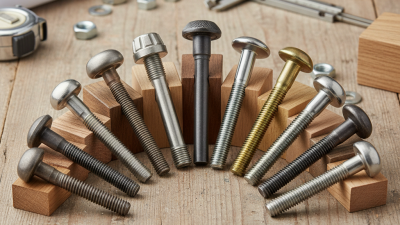
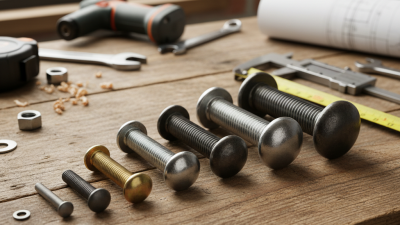
Carriage bolts are fasteners with a smooth, rounded head and a square section directly beneath it. The square section helps keep the bolt from spinning as a nut is tightened. In a typical wood connection, the bolt passes through a clearance hole, and its square shoulder bites into the material. The nut is tightened from the opposite side. That fit is not always perfect.
A custom carriage bolt can be made to suit a particular assembly, with specified length, diameter, thread, head dimensions, or material. These details matter when joining thick timber, fitting hardware into a tight recess, or replacing a fastener that does not match an existing hole. Measure the grip length carefully: too short, and the nut may not engage enough threads; too long, and excess shank can interfere with nearby parts. A test fit is useful.
Material and finish affect performance, too. For damp or outdoor settings, choose corrosion-resistant options suited to the exposure, and check that the nut and bolt materials work well together. For a cleaner installation, the rounded head can sit flush against a visible surface while the nut stays hidden on the reverse side. Still, wood density and hole size change how firmly the square shoulder holds. A small sample installation can reveal issues before you order a full batch.
Which Materials and Finishes Suit Different Conditions
Material choice should follow the moisture, chemicals, and load around the joint. For dry indoor furniture or light fixtures, zinc-plated carbon steel is often economical and offers basic corrosion resistance. It is not a good choice for persistent dampness or coastal air. Conditions matter.
For outdoor frames exposed to rain, hot-dip galvanized steel provides a thicker protective coating than ordinary zinc plating. Check the hole size and fit: that coating can affect how the square neck seats.
Stainless steel resists rust without a plated layer. Grade 304 suits many general outdoor settings, while grade 316 is often preferable near saltwater or frequent de-icing salts. Neither grade removes the need to confirm load requirements.
Match the finish to the surrounding hardware, too. Dissimilar metals can corrode when moisture bridges them, so compatible washers and nuts are worth checking. A carriage bolt’s rounded head and square neck can create a neat, snag-resistant fastening, but the neck must bite properly into the material. A practical mistake is choosing a finish by appearance alone. I would verify the material specification, coating, and intended load with the supplier, especially for structural use. A shiny surface is not proof of strength.
How to Compare Strength, Dimensions, and Customization Options
What Are the Best Custom Carriage Bolts in 2026?
How to Compare Strength, Dimensions, and Customization Options
Choosing a carriage bolt starts with the load, material, and joint—not the finish. ISO 898-1:2013 specifies a minimum tensile strength of 800 MPa and proof stress of 580 MPa for applicable property class 8.8 fasteners. These figures are useful benchmarks, but do not assume a carriage bolt meets them without documentation. Ask for material details and test certificates. Fit matters. Measure the shank diameter, length beneath the head, square-neck dimensions, and thread length. A neck that is too wide may split timber; one that is too narrow can spin during tightening.
Tips: Compare drawings, not just catalog descriptions. Confirm tolerances, coating thickness, and whether threads are full or partial. For outdoor assemblies, consider corrosion exposure before choosing a finish or stainless grade.
Customization can include unusual lengths, thread placement, head sizes, and materials. Specify each dimension in writing, then check a sample against the actual mating parts. A bolt that measures correctly on paper may still foul a bracket or leave too little thread for a nut. That detail is easy to miss. Verify the required load with a qualified engineer when failure could cause injury or significant damage.
Where Custom Carriage Bolts Are Commonly Used
What Are the Best Custom Carriage Bolts in 2026?
Where Custom Carriage Bolts Are Commonly Used
Custom carriage bolts are useful when standard fasteners do not fit a project’s dimensions or materials. They commonly secure timber to metal in trailer frames, outdoor benches, gates, and utility structures. Their rounded heads leave a smooth surface, while the square neck grips wood and helps resist turning during tightening. That small detail matters when the bolt head is difficult to reach. It is not a cure for loose joints, though; accurate sizing and proper installation still matter.
In furniture and playground equipment, carriage bolts can join thick wooden members without leaving sharp edges on exposed faces. In agricultural and workshop settings, customized lengths or thread sizes can help accommodate unusual material thicknesses. For outdoor use, choose a material and finish suited to the expected moisture and exposure. A coating may wear over time, so inspect exposed fasteners during routine maintenance. I would not assume every “weather-resistant” option performs equally well in every setting.
Tips: Measure the full grip thickness, including washers, before ordering. Check hole diameter and available wrench clearance. Avoid forcing a bolt into a misaligned hole; it can damage the wood or weaken the connection. When unsure, test one fastener on scrap material first.
How to Choose the Best Custom Carriage Bolts in 2026
Choosing a custom carriage bolt starts with the joint, not the finish.
Measure the material thickness, hole diameter, and required thread engagement. The square neck must match the receiving hole or slot. If it is undersized, the bolt may spin during tightening. If oversized, it can crush wood fibers or mark a metal surface.
That fit matters.
Specify the head diameter and profile too, especially when a washer or recessed panel must sit flush. Use measured dimensions, not an old bolt’s appearance.
Next, match the material and coating to the setting.
Indoor furniture may need a different corrosion approach than a damp outdoor frame or frequently washed fixture. Stainless steel resists rust, but it is not automatically the strongest option; confirm the required strength with the designer or supplier. Include shank length, threaded length, tolerances, and head details in a drawing. Test a sample. Check the fit before ordering a full run: the neck should seat without force, and enough thread should engage the nut.
I would still recheck the load assumptions;
custom dimensions alone cannot compensate for a weak joint.