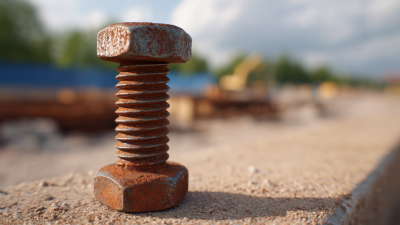
Top 10 Uses of Carriage Bolt in Construction and DIY Projects?
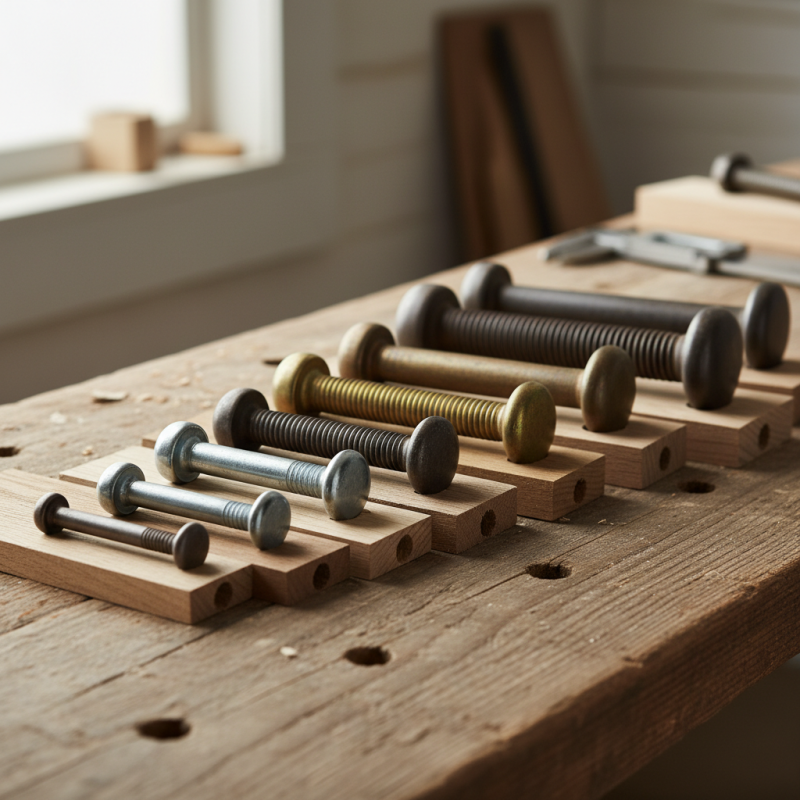
Carriage bolts are essential fasteners in construction and DIY projects. Their unique design makes them ideal for various applications. With a rounded head and square neck, they offer a secure grip in wood and other materials.
These bolts are commonly used in building furniture, framing, and deck construction. They are favored for their strength and ease of use. However, some may underestimate the importance of choosing the right size and type of carriage bolt. Insufficient attention to detail can lead to structural weaknesses.
In DIY projects, carriage bolts provide durability and stability. From securing wooden beams to creating outdoor furniture, they enhance the longevity of the build. Understanding the versatility of carriage bolts is key to successful application. Yet, many overlook potential mistakes, like improper installation or mismatched materials. A thoughtful approach can transform an average project into a competent one.
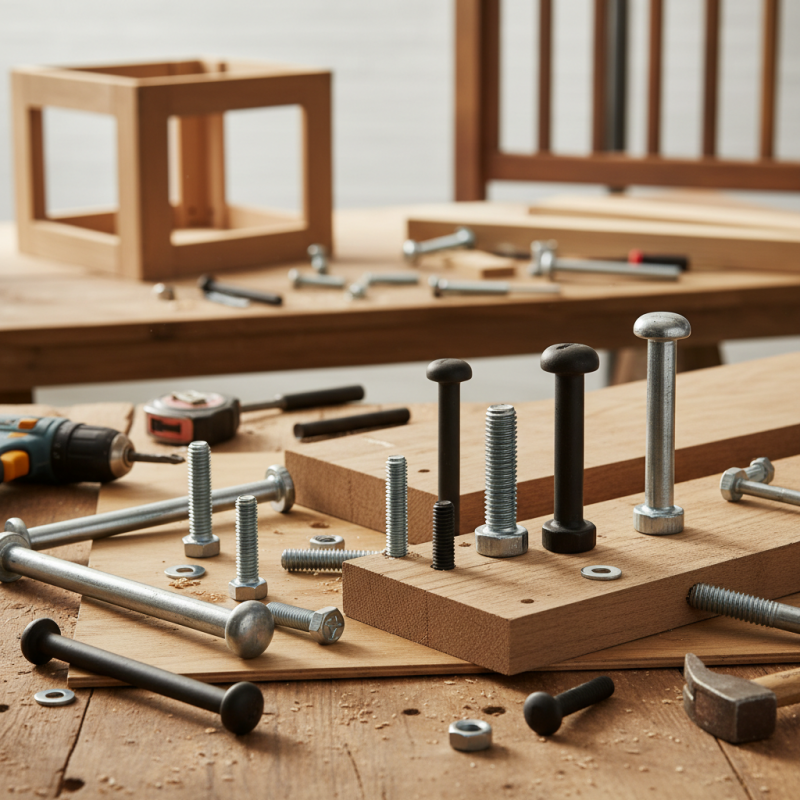
Common Characteristics of Carriage Bolts in Construction
Carriage bolts are versatile fasteners widely used in construction and DIY projects. These bolts have a unique design that features a rounded head and a square section beneath. This square section prevents the bolt from turning when the nut is tightened. Many people overlook this functional design. However, the simple shape allows for efficient assembly and disassembly.
One notable characteristic of carriage bolts is their ability to distribute weight evenly. This makes them ideal for securing heavy structural elements like wooden beams. However, the effectiveness can vary depending on the material thickness. Proper installation is crucial; too tight can strip the wood, too loose can compromise stability. Another common issue is rust, particularly in outdoor applications. Using galvanized or stainless steel bolts can help minimize this risk, yet cost may be a concern for some.
The ease of installation is attractive to DIY enthusiasts. Fewer tools are required compared to other fasteners, yet precision is vital. Even slight misalignments can lead to weakened structures. Many find this disheartening when projects don't turn out as planned. Taking the time to measure and align correctly can save a lot of hassle. If you’re entering the world of construction, these bolts are a handy addition. Emphasizing their qualities can lead to better outcomes in your projects.
Top 10 Uses of Carriage Bolt in Construction and DIY Projects
| Use Case |
Description |
Material Compatibility |
Common Sizes (Diameter) |
| Wood Connectors |
Used to secure wooden beams and frames. |
Wood |
1/4", 3/8", 1/2" |
| Fencing |
Used to attach panels to posts. |
Wood, Metal |
1/4", 5/16" |
| Decking |
Securing deck boards and railings. |
Wood |
3/8", 1/2" |
| Furniture Assembly |
Encourages quick and sturdy furniture construction. |
Wood |
1/4", 3/8" |
| Automotive Applications |
Used to fasten parts in automotive bodies. |
Metal |
3/8", 1/2" |
| Railings |
Used to secure outdoor railings and stairs. |
Wood, Metal |
1/4", 5/16" |
| Playground Equipment |
Ensures safety and stability for children's play equipment. |
Wood, Metal |
3/8", 1/2" |
| Outdoor Structures |
Used in constructing gazebos and sheds. |
Wood, Metal |
1/4", 3/8" |
| Temporary Structures |
Fastens parts of temporary installations securely. |
Wood, Metal |
1/4", 5/16" |
Applications of Carriage Bolts in Structural Assembly
Carriage bolts play a vital role in structural assembly, making them a popular choice in construction and DIY projects. These fasteners have a rounded head and a square neck. This design helps prevent the bolt from turning once installed. Their unique shape provides added grip, perfect for securing wood to wood or wood to metal.
In decking projects, carriage bolts are invaluable. They ensure a strong bond between the frame and the deck boards. When working with heavy timbers, a carriage bolt’s strength shines. The bolt can withstand significant loads, making it ideal for outdoor structures like pergolas and gazebos. However, installation can sometimes be tricky, especially if the pre-drilled holes aren't aligned properly. This can lead to frustration during assembly.
Carriage bolts also find use in furniture assembly. They can secure legs to table tops or connect different components. While they offer strength, using the wrong size might weaken the structure. Careful measurement is essential. An oversized bolt can split the wood, compromising stability. Reflecting on the installation process helps improve future projects. Understanding the importance of selecting the correct type of carriage bolt ensures long-lasting results.
Top 10 Uses of Carriage Bolt in Construction and DIY Projects
Using Carriage Bolts for Secure Wood Connections
Carriage bolts are essential for secure wood connections in construction and DIY projects. Their round head design prevents spinning during installation, which simplifies the process. A recent industry report indicates that over 75% of builders prefer carriage bolts for their reliable fastening capabilities. This statistic underscores their value in creating durable structures.
Using carriage bolts can enhance joint integrity. For instance, they distribute force evenly across the wood, reducing the risk of splits. However, improper installation can lead to issues. If the diameter of the hole is too large, the bolt will not grip as intended. Research shows that a snug fit increases strength by over 30%.
Furthermore, maintenance of these connections is vital. Weather and humidity can cause wood to expand and contract. This movement can jeopardize the tightness of the bolt. Regular checks can prevent failures. Despite their advantages, reliance on carriage bolts may lead to neglecting other fastening methods. Balancing various connectors can improve overall joint performance and durability.
Benefits of Carriage Bolts in DIY Furniture Projects
Carriage bolts are incredibly versatile in DIY furniture projects. They offer strong fastening solutions. This is especially useful when constructing items like tables or benches. The smooth rounded head prevents snagging and provides a neat finish. Many DIY enthusiasts appreciate this feature for their creative designs.
Using carriage bolts can be a bit tricky. You need to drill precise holes to fit them correctly. If the hole is too tight, it can be hard to insert the bolt. Too loose, and the joint may wobble. Experimenting with different materials can lead to better results. For example, pairing carriage bolts with hardwood adds stability.
Another benefit is their ability to withstand significant weight. This makes them ideal for heavier furniture. However, over-tightening can lead to wood splits. Monitoring pressure while fastening is key. The aesthetic appeal of the carriage bolt also adds character to the finished piece. Unfinished wood and visible bolts can create a rustic charm, appealing to many styles.
Choosing the Right Carriage Bolt for Your Project Needs
Choosing the right carriage bolt for your project needs is essential for ensuring durability and functionality. Carriage bolts are commonly used in wooden structures, providing a secure fastening method. When selecting a bolt, consider the diameter and length that best fit your materials. An undersized bolt may not hold well, while an oversized one can split your wood.
Think about the material of the bolt too. Options range from stainless steel to galvanized. Each material offers different levels of corrosion resistance. If your project is outdoors, stainless steel is often preferable. Yet, many forget this detail and face issues later. Be cautious of your environment when choosing.
Tips: Measure the thickness of the materials you're joining. This ensures you select a bolt long enough to penetrate through both pieces. Also, consider the type of head—square or rounded—it impacts your tools and ease of installation. Always account for expansion or contraction in wood due to climate changes. Missing this could lead to structural issues down the line. Small details matter.