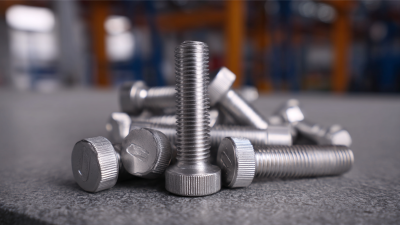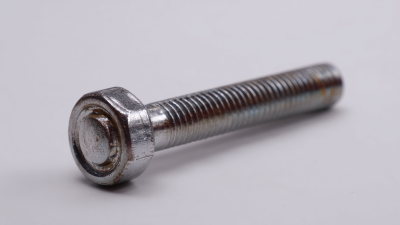
Choosing a reliable China Top Mushroom Head Screw Manufacturer and Supplier requires more than comparing unit prices. Buyers need consistent dimensions, suitable materials, stable production, and clear communication. A dependable Mushroom Head Screw supplier should explain how each screw is made, inspected, packed, and prepared for delivery.
Experience matters on the factory floor. Skilled technicians check thread accuracy, head diameter, surface finish, and tightening performance. They may use stainless steel, carbon steel, or other suitable materials based on the application. Samples should be reviewed before mass production. Small details matter.
A professional manufacturer can support OEM sizes, custom finishes, and practical packaging. Inspection records, material certificates, and batch identification improve traceability. They also help buyers solve problems before products leave the factory. Good suppliers do not hide limitations. They discuss tolerances, tooling needs, minimum quantities, and realistic lead times.
No order runs perfectly every time. A coating may need adjustment. A sample may reveal an unexpected fitting issue. Honest feedback can prevent larger losses later. This is where reliable cooperation becomes visible.
The right partner combines production capability with technical judgment. Factory audits, sample testing, and clear specifications create stronger purchasing decisions. Buyers should also confirm export experience and after-sales support. A low quotation alone proves little.
This article explores what makes a China Mushroom Head Screw manufacturer dependable. It considers materials, manufacturing control, quality inspection, customization, and supply consistency. The goal is practical guidance for importers, distributors, engineers, and industrial buyers seeking secure long-term sourcing relationships.
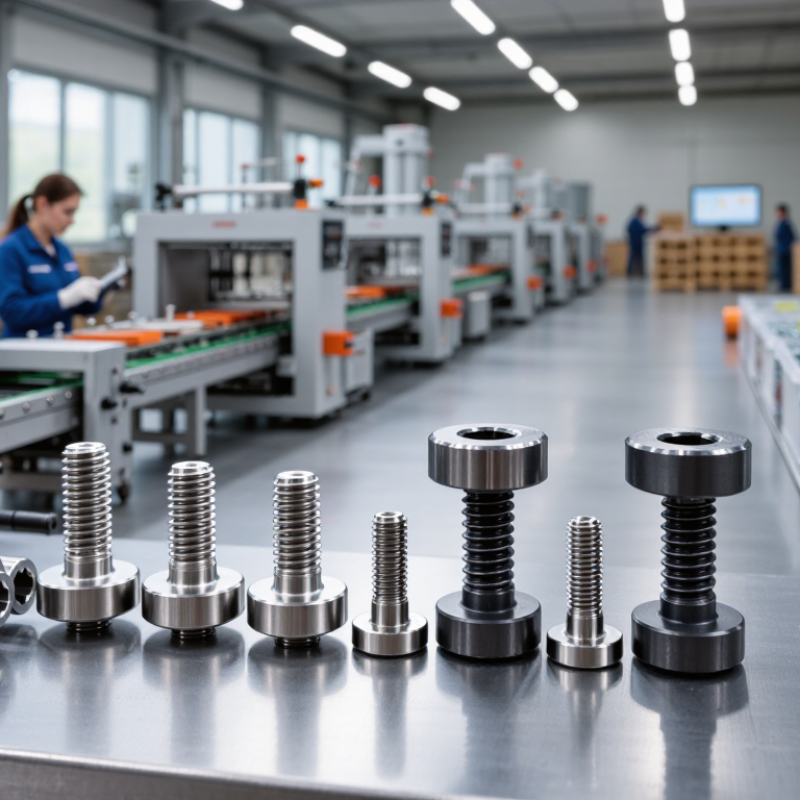
Mushroom head screws are fasteners with a rounded, dome-shaped head. Their smooth profile reduces sharp edges and creates a neat appearance. The head sits above the material instead of sinking completely into it. This design works well where a low-risk, visible fastening point is preferred. Common uses include furniture, light metalwork, interior panels, signs, and protective covers.
Most mushroom head screws have a machine thread, wood thread, or self-tapping thread. The correct choice depends on the material and joint design. Stainless steel offers strong corrosion resistance in humid areas. Zinc-plated steel can provide practical protection for indoor applications. Some versions include a square neck or security drive, which helps limit unwanted rotation after installation. A washer may improve load distribution on softer surfaces.
In practical assembly, the head shape matters as much as the thread. A hole that is too large can allow movement. Excessive torque can damage the surface or strip the drive recess. I have seen installers choose a screw by appearance alone, then discover poor grip during testing. That shortcut is easy to make, but it weakens the connection. Check the screw diameter, thread length, material, and required torque before installation. Mushroom heads are useful, but they are not ideal for every joint. Thin panels may still need backing support.
Mushroom head screws have a rounded, low-profile head that creates a cleaner surface than many standard fasteners. The smooth dome reduces sharp edges and helps prevent snagging on clothing or cables. Their broad underside can distribute clamping pressure across thin panels. This matters in enclosures, furniture fittings, signage, and light equipment assembly. Some designs include a square neck or security drive, which helps resist unwanted turning during service.
Stainless steel is widely chosen for outdoor fixtures, kitchen equipment, and damp working areas. Grade selection still matters, because “stainless” does not mean corrosion-proof in every environment. Carbon steel offers high strength and economical production, especially when finished with zinc plating or another protective coating. Brass provides a warm appearance and useful corrosion resistance, while aluminum keeps the assembly lightweight. Each material changes the screw’s strength, weight, cost, and installation behavior.
Experienced suppliers normally check thread accuracy, head dimensions, surface finish, and torque performance during production. A screw may look perfect yet fail when its thread does not match the nut or insert. That detail is easy to overlook. Buyers should confirm diameter, length, drive type, material grade, coating, and tolerance before ordering. In field use, over-tightening can damage soft aluminum or thin sheet metal. A practical installation test often reveals more than appearance alone, although test conditions should match the final application.
| Data Dimension | Typical Information | Key Considerations |
|---|---|---|
| Head Design | Rounded, low-profile head with a smooth dome-shaped top | Provides a finished appearance and reduces sharp exposed edges compared with many flat or hexagonal heads. |
| Common Drive Types | Phillips, slotted, hex socket, Torx-type, and one-way or other security drives | The drive should be selected according to installation torque, tool availability, and tamper-resistance requirements. |
| Common Materials | Carbon steel, stainless steel, and brass | Material selection depends on required strength, corrosion resistance, conductivity, appearance, and service environment. |
| Carbon Steel | Frequently used for general-purpose and high-strength fastening applications | Usually requires a protective finish, such as zinc plating, black oxide, or another specified coating, to improve corrosion resistance. |
| Stainless Steel | Common grades include austenitic stainless steels such as 304 and 316 | Grade 316 generally offers better resistance to chlorides and marine exposure than grade 304; actual performance depends on conditions. |
| Brass | Used where decorative appearance, electrical conductivity, or moderate corrosion resistance is important | Brass is generally softer and has lower mechanical strength than many steel options, so tightening loads should be controlled. |
| Thread Forms | Machine threads for nuts or tapped holes; self-tapping threads for sheet material or prepared pilot holes | Thread designation, pitch, tolerance, and engagement length must match the mating component. |
| Typical Size Selection | Metric diameters such as M3, M4, M5, M6, and M8 are commonly specified; inch sizes are also available | Diameter, thread pitch, length, head diameter, and head height should be confirmed from the applicable dimensional standard or drawing. |
| Surface Finishes | Plain, zinc-plated, black oxide, passivated stainless steel, nickel-plated, or painted finishes | Finish choice affects corrosion resistance, appearance, dimensional fit, and compatibility with the installation environment. |
| Corrosion Resistance | Varies from basic protection for indoor use to enhanced resistance for humid, outdoor, or marine conditions | No single material or coating is suitable for every environment; exposure, temperature, chemicals, and galvanic compatibility should be evaluated. |
| Typical Applications | Furniture hardware, sheet-metal assemblies, electrical equipment, appliances, signage, light machinery, and decorative fittings | The rounded profile is useful when appearance, reduced snagging, or limited head projection is desired. |
| Strength Requirements | Determined by material, heat treatment, thread size, drive design, and applicable mechanical-property requirements | For load-bearing or safety-critical assemblies, verify the required property class or material specification rather than relying on appearance alone. |
| Quality Checks | Dimensional inspection, thread gauging, visual inspection, hardness or tensile testing when specified, and coating verification | Inspection criteria should be agreed according to the purchase drawing, technical specification, and relevant fastener standard. |
| Specification Information to Provide | Head style, drive type, thread designation, length, material, finish, quantity, and applicable standard | Complete specifications help prevent mismatched threads, insufficient engagement, unsuitable corrosion protection, and drive-tool problems. |
Manufacturing starts with low-carbon or alloy steel wire, selected for strength and forming performance. The World Steel Association reported that China produced about 1,019 million tonnes of crude steel in 2023. This extensive supply base supports stable sourcing, but steel availability alone does not guarantee screw quality.
At a Chinese fastener plant, wire is cleaned, cut, and cold-headed into a rounded mushroom profile. Dies shape the head in controlled stages, reducing surface cracks and uneven edges. The shank is then rolled or cut with threads. Cold rolling usually improves thread strength and reduces material waste. Heat treatment may follow, depending on the required property class under ISO 898-1. Operators monitor hardness, tensile performance, dimensions, and torque. Small errors matter.
Surface treatment comes after cleaning and inspection. Common options include zinc-based coatings, mechanical finishes, or stainless-steel passivation. Coating thickness and corrosion resistance should be verified through documented testing, not visual judgment alone. ISO 3269 provides a framework for fastener acceptance inspection. In practice, sampling plans can miss isolated defects. That is an uncomfortable limitation. Reliable suppliers therefore combine automated optical sorting with manual checks, batch traceability, and calibrated gauges. Packaging also protects the rounded heads from scratches during transport. A careful factory records material heat numbers, die changes, test results, and final quantities before shipment.
A reliable China mushroom head screw manufacturer starts with controlled materials, not attractive packaging. Each batch should carry a heat number, supplier record, and inspection date. For stainless steel or carbon steel screws, technicians verify composition, hardness, head diameter, thread pitch, and length. Samples are measured with calibrated gauges before production approval. Small errors matter.
Quality control should continue during forming, threading, heat treatment, and surface finishing. Inspectors check head cracks, burrs, thread damage, coating coverage, and drive recess depth under clear lighting. Torque and pull-out tests show whether a screw performs beyond a clean appearance. A dependable supplier keeps test reports linked to each lot and protects them from careless editing. This is practical evidence, not marketing language. Packaging also deserves attention. Dividers, dry storage, and readable labels help prevent mixing, corrosion, and delivery mistakes.
Experienced suppliers communicate tolerances before quoting, especially for custom lengths or unusual finishes. They explain sampling plans, lead times, minimum quantities, and corrective actions in plain English. When a batch fails, honest reporting is more valuable than a rushed promise. No production line is flawless. A missed burr or delayed report should trigger root-cause review, retraining, and a documented recheck. Buyers can request pre-shipment samples, certificates, inspection photos, and independent testing for critical applications. For important orders, approval should follow the recheck, not a verbal assurance.
Selecting a Chinese mushroom head screw supplier requires more than comparing unit prices. Grand View Research valued the global industrial fasteners market above US$80 billion in 2023. Its forecast also indicates steady growth through 2030. This growth increases supplier competition, but it can hide uneven process control. Ask for material certificates, dimensional inspection records, and coating test results. Check whether each batch carries a traceable production code.
Inspect the screw physically. The head diameter should remain consistent across samples. The drive recess must accept the specified tool without cam-out. Confirm thread pitch, length tolerance, hardness, and surface finish. For steel fasteners, request testing aligned with ISO 898-1 where applicable. Thread checks should follow the relevant ISO 965 requirements. A supplier using first-article inspection and statistical process control offers stronger evidence than attractive catalog photographs.
Verify production capacity before signing a long-term agreement. Request an audited factory address, equipment list, inspection frequency, and corrective-action records. IMARC Group’s fasteners market analysis also identifies automotive, construction, and machinery demand as major growth drivers. That pressure can encourage rushed production. Do not ignore small warning signs. One sample passed, but that does not prove stable mass production. An on-site or third-party audit may reveal loose gauges, mixed cartons, or incomplete traceability. My practical preference is a documented trial order, followed by torque testing and dimensional rechecking before scale-up.