What is a Stainless Wood Screw and How to Choose the Right One?
In the construction and woodworking industry, choosing the right fasteners is crucial. One essential category is the "Stainless Wood Screw." These screws resist rust and corrosion, making them ideal for various applications, especially in outdoor projects. According to a recent report by the Fastener Industry Coalition, the demand for stainless steel fasteners has increased by over 15% in the last three years.
Expert Mark Thompson, a leading figure in the fastener industry, emphasizes the importance of material selection. He states, "The right choice in screws can significantly enhance the longevity of wooden structures." When selecting a stainless wood screw, understanding its size, thread type, and coating is pivotal. However, many still struggle with differentiating between various types and configurations, which can lead to subpar results.
Choosing the right stainless wood screw isn’t always straightforward. With numerous options available, it is easy to feel overwhelmed. Mistakes in selection can lead to structural failures. Careful consideration of the intended application and environmental factors is essential for success.
What is a Stainless Wood Screw?
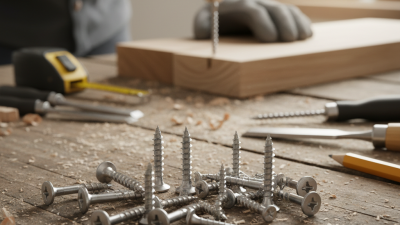
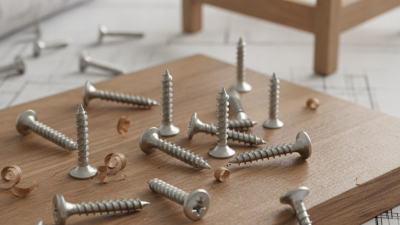
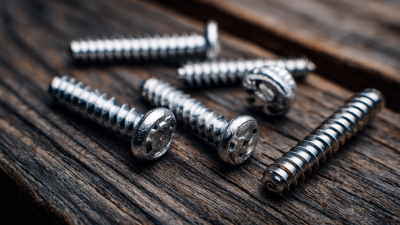
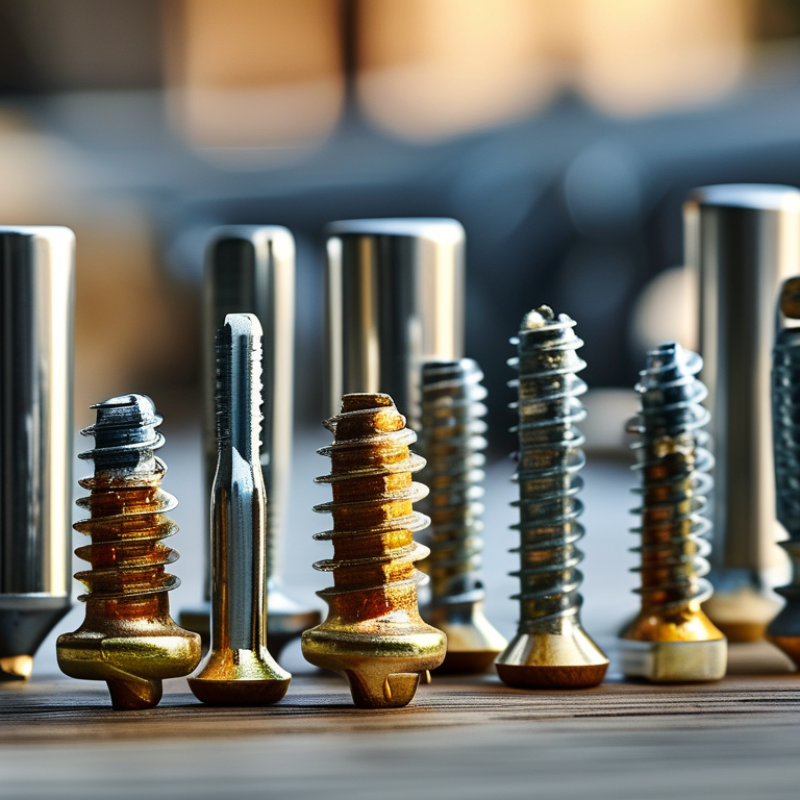
Stainless wood screws are specialized fasteners designed for use in wooden materials. Their corrosion-resistant properties make them ideal for both indoor and outdoor projects. Made from stainless steel, these screws resist rust and deterioration, ensuring a longer lifespan. They come in various sizes, lengths, and thread styles, making them versatile for different applications.
When choosing stainless wood screws, consider the project type. Coarse threads are best for softwoods, as they grip more securely. Fine threads work well with hardwoods, providing better holding power. Select the right length to ensure sufficient penetration into the wood without compromising strength.
Tips: Always pre-drill holes for your screws. This helps prevent wood splitting and ensures a tighter fit. Check the material quality before use. Poor quality screws may not deliver the reliability you need. Additionally, remember to choose the screw head style that fits your tool for easier installation.
Benefits of Using Stainless Wood Screws
Stainless wood screws offer several benefits that enhance their appeal for woodworking projects. Their rust-resistant nature makes them ideal for outdoor use. Exposure to moisture won't lead to corrosion, ensuring a lasting hold. This characteristic is crucial when building furniture or decks that face the elements.
Another advantage is their strength. Stainless wood screws maintain their structural integrity under stress. This durability is vital for any construction where stability is essential. While they might be a bit more expensive than regular screws, the long-term value often outweighs the initial cost. However, some users might find them harder to drive into harder woods. Testing different screws can lead to better results.
Choosing the right stainless wood screw requires attention to detail. The length and thickness should match your project needs. Consider the wood type and the weight the screws will bear. It’s worth noting that using them in softer woods may lead to splitting. If unsure about compatibility, seek advice from experienced woodworkers or consult reliable resources.
What is a Stainless Wood Screw and How to Choose the Right One? - Benefits of Using Stainless Wood Screws
| Screw Type |
Material |
Size (inches) |
Corrosion Resistance |
Best Use Case |
| Flat Head |
Stainless Steel |
#8 x 1.25 |
Excellent |
Furniture Assembly |
| Pan Head |
Stainless Steel |
#10 x 1.5 |
Very Good |
Outdoor Decks |
| Round Head |
Stainless Steel |
#6 x 1 |
Good |
Indoor Projects |
| Self-Drilling |
Stainless Steel |
#12 x 2 |
Excellent |
Metal to Wood |
| Wood Decking |
Stainless Steel |
#8 x 2.5 |
Excellent |
Decking Applications |
Types of Stainless Wood Screws Available
Stainless wood screws are essential for various woodworking projects. They resist corrosion and offer durability, making them ideal for both indoor and outdoor use. When choosing the right stainless wood screw, it’s important to understand the available types.
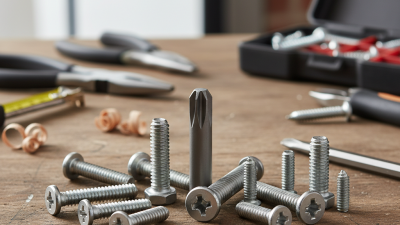
There are several types of stainless wood screws. Some are designed for softwood, while others are tailored for hardwood. Screws with a fine thread work well in dense materials. Coarse-thread screws grip better in softer woods. The head types also vary: flat, round, or square. Each serves different purposes, affecting how the screw sits on the surface.
Tips: Choose the right length for your project. A screw that is too long can split the wood. Pay attention to the gauge, as a thicker screw can provide more strength. Additionally, consider the finish. A shiny screw may not blend well in certain wood finishes.
Lastly, installation can be tricky. Sometimes screws strip easily, especially in hardwoods. Pre-drilling pilot holes can prevent this issue. It's helpful to test different screws in scrap wood before starting your main project. This practice can save you time and frustration down the line.
Considerations for Choosing the Right Stainless Wood Screw
When choosing a stainless wood screw, consider the specific project. Look at the materials you'll be working with. Stainless steel is great for outdoor projects. It resists rust and corrosion. If you’re working on a marine or humid environment, this is crucial.
Evaluate the screw’s design. The head type matters. Flat heads sink into the wood, while round heads sit on top. These choices impact both aesthetics and functionality. The size of the screw also determines its hold. A longer screw works better for thicker materials, but it can split the wood.
Don't ignore the thread type. Coarse threads grip well in softer woods, while fine threads are better for hardwoods. It's also essential to think about the pilot hole. Creating a pilot hole can prevent splitting. Experimenting with different types of screws can lead to unexpected results. Not every screw will work perfectly for your project. Take time to analyze what works best.
Comparison of Stainless Wood Screw Types
Installation Tips for Stainless Wood Screws
When installing stainless wood screws, attention to detail is crucial. A recent report from the American Fastener Journal indicates that improper installation can lead to an increase in failure rates by as much as 30%. Start by selecting the right pilot hole size. Too small and the screw may strip; too large and it could compromise the integrity of the wood.
Another consideration is the angle of insertion. A straight insertion helps to avoid damage to the screw's threads, which are critical for holding power. Diagrammatic studies illustrate that screws installed at an angle may misalign, resulting in unintended gaps.
Finally, using a torque wrench ensures consistent tightening. Tightening screws by feel can lead to over-tightening, causing wood to split. An industry survey by the Fastener Research Institute found that 25% of professionals reported issues linked to incorrect torque application. Therefore, precision in installation is key to achieving a reliable and lasting outcome with stainless wood screws.