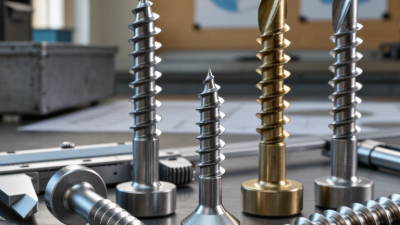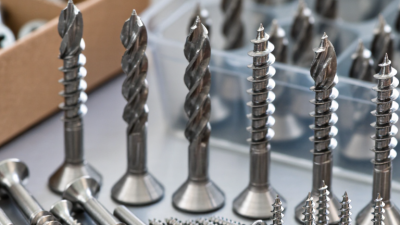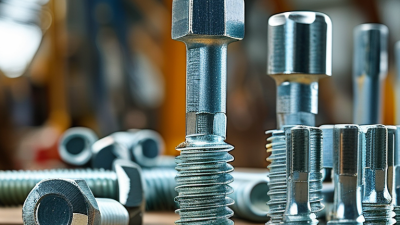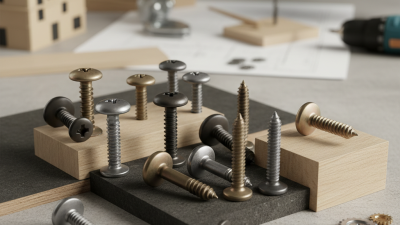
A Stainless Torx Screw is used to fasten parts where a secure grip and dependable corrosion resistance matter. Its six-point star-shaped recess gives a matching driver several contact surfaces, helping reduce cam-out during installation. That can be useful when assembling outdoor furniture, fastening stainless components, or fitting hardware exposed to moisture. The exact application still depends on the screw’s grade, dimensions, head style, and the materials being joined.
Small details matter. A driver that fits poorly can damage the recess, even on a quality screw. Stainless steel also does not mean every screw suits every environment; different grades offer different levels of corrosion resistance. In coastal or chemically exposed settings, check the manufacturer’s specifications rather than relying on appearance alone. A bright finish proves little.
This guide explains common uses, practical advantages, and selection considerations for Stainless Torx Screw fasteners. It also looks at installation basics, including choosing the correct bit and avoiding excessive torque. A careful fit helps. Still, no fastener is a universal choice. The right option depends on the load, substrate, exposure, and whether the joint may need future servicing. One point is easy to overlook: stainless fasteners can gall under certain conditions, so follow product guidance and use suitable installation practices. That small caution can save a frustrating repair later.
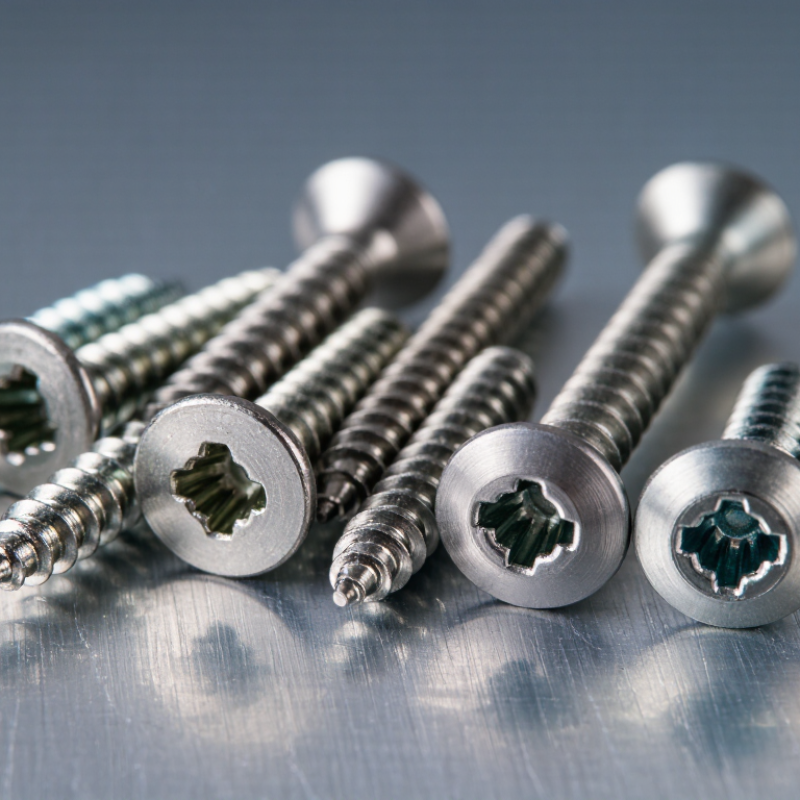
A stainless Torx screw combines a stainless steel body with a six-lobed star-shaped drive recess. “Stainless” describes the steel’s resistance to rust and staining, not immunity from corrosion. Different grades perform differently around moisture, salt, and cleaning chemicals. “Torx” describes the drive shape, which gives a matching bit several contact points. This can help reduce slipping and damage to the recess during installation. A close fit matters. A worn or incorrect bit can still chew up the screw head.
These screws appear in outdoor fixtures, appliances, cabinets, and equipment exposed to occasional moisture. Their defining features are the material and drive, but size, thread, head shape, and grade determine whether a particular screw suits the job.
One detail is easy to miss: stainless steel is not automatically stronger than hardened steel. For coastal or persistently wet settings, check the stated grade and application guidance rather than relying on a bright finish. Appearance alone is a weak guide.
A stainless Torx screw can resist corrosion and drive cleanly, yet still fail if its dimensions or material do not match the load and environment.
A stainless Torx screw uses a six-lobed, hexalobular recess to transfer turning force from the driver to the fastener. The shape helps the bit stay engaged during installation, especially when a screw is driven into a tight corner or overhead. That helps. ISO 10664:2014 standardizes the hexalobular internal drive geometry; a correctly sized bit still matters. A worn or poorly seated bit can slip and damage the recess.
Material affects how the screw handles its surroundings and mechanical loads. ISO 3506-1:2020 specifies a minimum tensile strength of 700 MPa for A2-70 fasteners within its stated size range. That figure is a class requirement, not a guarantee for every stainless screw. A2 stainless is commonly selected for general outdoor use, while A4 is often chosen for more corrosive settings, such as coastal installations. Neither grade is immune to corrosion under every condition.
In practical use, these screws suit equipment housings, fixtures, and assemblies where reliable drive engagement and corrosion resistance are useful. Match the screw grade to moisture, salt exposure, and cleaning chemicals. Then use a fitting bit and controlled torque. Too much force can still strip the drive or damage the joint. It is easy to focus on the stainless label and overlook the surrounding materials; that choice can matter just as much.
Stainless Torx screws are common where fasteners face rain, damp air, or frequent washing. On decks, exterior trim, garden furniture, and shed doors, stainless steel helps resist rust staining. The six-lobed Torx recess keeps the driver engaged during installation, useful when many screws must sit flush in hardwood or composite boards. A firm bite matters. In kitchens and food-preparation areas, stainless screws suit washable equipment frames and cabinets, but the grade must match the cleaning chemicals.
These applications sit within large material markets. The World Stainless Association reported global stainless crude-steel production of 58.4 million metric tons in 2023. That is not a screw-use figure, but it shows the material’s broad industrial scale. The U.S. Census Bureau estimated construction spending at about $1.98 trillion in 2023, reflecting the extensive building environment where exterior fasteners are specified. For coastal railings or boat fittings, designers may consider molybdenum-bearing 316 stainless rather than 304. Salt changes the choice. Still, stainless is not magic: trapped moisture, incompatible metals, and poor drainage can cause corrosion. Check the grade and surrounding materials; a polished screw head cannot compensate for the wrong alloy.
Stainless Torx screws are commonly used for outdoor decking, marine fittings, kitchens and bathrooms, equipment, and furniture. Their stainless steel helps resist corrosion, while the Torx drive provides a secure grip during installation.
Qualitative suitability rating from 1 (lower) to 5 (higher), based on typical corrosion exposure and fastening needs. This is not a measure of market share. In marine or saltwater environments, choose an appropriate stainless steel grade; stainless steel can still corrode under some conditions.
A stainless Torx screw combines a six-lobed drive with a corrosion-resistant fastener body. The recess gives a matching driver several points of contact, helping transfer turning force with less slipping than a simple slotted head. That matters when fastening outdoor fixtures, equipment housings, or panels where a dropped screw or damaged head can be frustrating. A properly seated bit also makes controlled installation easier.
Not foolproof, though. Use the exact bit size and keep it straight; a worn or poorly fitted driver can still strip the recess. Stainless steel resists rust in many damp settings, but it is not immune to staining or corrosion, especially around salt or harsh chemicals. The alloy grade and surrounding conditions matter. Some stainless screws may also have less strength than hardened steel alternatives, so check load requirements rather than choosing by appearance alone. Tighten steadily. Stainless-on-stainless threads can gall, sometimes binding before the screw feels fully secure. That detail is easy to overlook. For critical assemblies, follow the specified torque and material guidance.
What Is a Stainless Torx Screw Used For?
How to Choose the Right Stainless Torx Screw
Stainless Torx screws suit assemblies that need corrosion resistance and a drive less prone to slipping than a straight slot. They appear in outdoor fixtures, marine fittings, appliances, and equipment panels. The World Stainless Association reported global stainless crude steel production of 58.4 million tonnes in 2023. That figure shows the material’s broad industrial use, but it does not tell you which screw grade fits your project. Choose for the actual exposure and load.
Start with the environment. A2 stainless is common for general outdoor use; A4 is often chosen for saltwater or chloride exposure. Check the screw’s marking and the applicable ISO 3506 property class, then match its diameter and length to the joint. A screw that is too short may not engage enough material. Too long can damage wiring or emerge through the far side. Select a head that sits correctly, and confirm the Torx size fits snugly. Small detail. A worn or loose bit can still damage the recess.
Tips: Test one screw in the real material before installing the full set. Avoid overtightening; stainless threads can seize, especially in metal joints. Use a suitable lubricant only if the application allows it, and follow the fastener supplier’s installation guidance. Production statistics are useful context, not a substitute for checking grade, load, and exposure.
| Selection factor | What to look for | Typical use or guidance |
|---|---|---|
| Common applications | A screw with a six-lobed Torx recess and a stainless-steel body | Used in outdoor fixtures, marine fittings, cabinetry, appliances, and equipment where corrosion resistance and dependable drive engagement are useful. |
| Stainless grade | Common choices include 304 (often called A2) and 316 (often called A4). | Grade 304 suits many general indoor and outdoor applications. Grade 316 generally offers better resistance to chloride exposure, such as coastal or some marine environments. Neither grade is immune to corrosion in every condition. |
| Torx drive size | Match the bit to the screw’s specified drive size, such as T10, T20, or T25. | A correctly fitting bit helps transfer torque and can reduce cam-out compared with a poorly fitting drive. Do not assume that a larger screw always uses a particular Torx size; check the product specification. |
| Head style | Choose a head that fits the surface and finish required: pan, button, flat (countersunk), or hex washer head. | A flat head can sit flush in a suitable countersink. Pan and button heads remain above the surface. Confirm that the head shape and dimensions suit the assembly. |
| Thread and point | Select machine, wood, sheet-metal, or self-tapping threads for the material and fastening method. | Machine screws generally need a matching threaded hole or nut. Wood screws are intended for wood. Self-tapping screws form or cut threads in compatible materials; use a suitable pilot hole when specified. |
| Length and diameter | Match the screw diameter and length to the material thickness, required engagement, and available clearance. | Too short a screw may not provide enough engagement; an excessively long screw may protrude or damage concealed components. Check the dimensions and the head-style measurement convention. |
| Installation and torque | Use the correct Torx bit, steady alignment, and a torque appropriate to the screw and joint. | Stainless fasteners can gall, particularly when stainless threads are run together. Avoid excessive speed and force; use a suitable lubricant or anti-seize compound when appropriate and compatible with the application. |
| Material compatibility | Consider the materials joined, moisture, chemicals, and exposure to salt or other chlorides. | In wet or marine settings, check the fastener grade and the other connected materials. Contact between dissimilar metals can contribute to galvanic corrosion under suitable conditions. |
| Before purchasing | Confirm grade, dimensions, thread type, head style, Torx size, and any applicable load or installation requirements. | Use the project drawing or supplier specification rather than appearance alone, especially for structural, safety-critical, or highly corrosive environments. |