What is a Stainless Torx Screw and How to Choose One?

In the fast-paced world of manufacturing and construction, materials play a critical role in ensuring longevity and performance. Stainless Torx screws have emerged as a preferred choice due to their unique design and corrosion resistance. According to industry reports, these screws offer improved torque control and better grip when compared to traditional fasteners. The 2022 Fastener Industry Report highlighted that over 60% of users reported fewer stripping incidents with Torx designs.

Selecting the right Stainless Torx screw can significantly impact assembly efficiency. However, many professionals face challenges when identifying the appropriate specifications. It is essential to consider factors like tensile strength and material grade. A mismatched choice may lead to disappointing results, including premature failure or structural weaknesses. Reports indicate that nearly 30% of fastening failures stem from incorrect selections, underscoring the importance of informed decision-making.

The diversity of applications for Stainless Torx screws is vast. They are used in automotive, aerospace, and electronics industries. Each sector demands specific characteristics, and not all Stainless Torx screws are created equal. Therefore, understanding their properties is crucial for anyone in the field. Though knowledge is essential, even experts must remain vigilant about evolving standards and innovations in fastener technology.
What is a Stainless Torx Screw and How to Choose One?

Understanding Stainless Torx Screws: Definition and Features

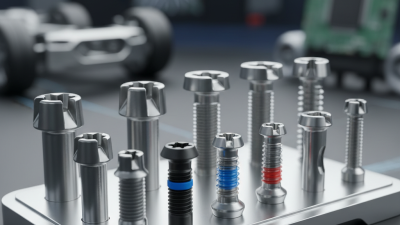
Stainless Torx screws are fasteners designed for high-performance applications. They feature a star-shaped drive that provides better grip and prevents cam-out. This design is particularly beneficial in environments where precision is essential. Their stainless steel construction makes them resistant to corrosion, ensuring longevity and durability.

Choosing the right stainless Torx screw involves understanding the specific requirements of your project. Consider the material thickness you will be fastening. Ensure that the screw length is adequate for secure attachment. The diameter of the screw is equally important; a too-thin screw may not provide the needed strength.

Tips: Always evaluate the environment where the screw will be used. If exposure to moisture or chemicals is likely, opt for higher-grade stainless steel. It’s vital to match the screw type to the tools you have. A mismatch can lead to frustrating installation challenges. Do not overlook the benefits of pre-drilling. It can simplify installation and reduce the risk of damage to your materials.

Key Benefits of Using Stainless Torx Screws in Various Applications

Stainless Torx screws have gained popularity due to their unique design and benefits. The star-shaped drive allows for better torque transfer, reducing the risk of stripping. This makes them an excellent choice for various applications, particularly in environments exposed to moisture or corrosion.

One of the key benefits of using stainless Torx screws is their durability. Stainless steel is less prone to rust and corrosion, making these screws ideal for outdoor projects. Their strength ensures they can hold heavier materials together. Additionally, their design minimizes the risk of common issues like cam-out. This means fewer errors during installation, leading to more efficient work.

However, not all situations may favor stainless Torx screws. In some cases, their unique drive might require special tools, complicating repairs. Users must ensure they have the correct drive bits. Moreover, while they excel in many environments, they may still not be suitable for extremely high-temperature applications. These factors deserve careful consideration when selecting the right screw for your needs.

Factors to Consider When Choosing Stainless Torx Screws

When choosing stainless Torx screws, consider several crucial factors. The material is key. Stainless steel offers corrosion resistance, making it ideal for outdoor applications. However, not all stainless steel is equal. Different grades exist, such as 304 and 316. Grade 316 has better resistance to saltwater environments, but it might cost more.

Head style matters too. Torx screws come in various designs like low-profile or button heads. Choosing the right head type is essential for the tool compatibility and aesthetics. Ensure your driver fits well to avoid striping. Additionally, look at the size and length. A screw that is too short may not secure effectively. But longer screws can weaken the material they are fastening.

Pay attention to the torque specifications. Using the right amount of force is crucial; over-torquing can lead to damage. It can be tricky, as not everyone has a torque wrench. Finally, think about your project's specific conditions. Indoor and outdoor environments can significantly impact screw performance over time. Reflect on these aspects before making your final choice. The right decision now can save you trouble later.

What is a Stainless Torx Screw and How to Choose One? - Factors to Consider When Choosing Stainless Torx Screws

Factor Description Importance (1-5)
Material Stainless steel provides corrosion resistance and longevity. 5
Drive Type Torx drive allows for better torque and lower cam-out compared to traditional screws. 4
Finish Different finishes (e.g., polished, black oxide) can affect appearance and corrosion resistance. 3
Diameter Diameter must match the application for strength and support. 5
Length Choosing the right length is critical for ensuring proper fit and secure fastening. 4
Threads Coarse or fine threads are selected based on material type and application use. 3
Quantity Purchasing in bulk can reduce costs and ensure availability for large projects. 2

Different Types of Stainless Torx Screws and Their Uses

Stainless Torx screws are versatile fasteners used in various applications. They come in many types, each designed for specific uses. A popular type is the button head screw. It provides a smooth top, suitable for aesthetic projects. This design also offers a larger surface area, increasing grip and reducing the risk of stripping.

Another common type is the flange screw. The flange provides added stability and can distribute load more evenly. This makes it ideal for metal assembly or structural applications. Lag screws, with their coarse threads, are great for heavy-duty needs. They can secure large wooden structures or heavy equipment.

While selecting a stainless Torx screw, consider the project requirements. Assess the material you are working with and the load it will carry. Not all designs suit every situation. This prompts reflection on the unique needs of your project. Sometimes, a slight oversight can lead to improper installation or weak joints. The diverse types offer solutions, but they require careful thought and understanding of their specifications.

Installation Tips for Stainless Torx Screws for Best Results

When using stainless Torx screws, installation is key to achieving the best results. Start by selecting the right Torx bit for your screw size. A snug fit is crucial. A loose fit can strip the screw head and complicate removal. If you feel resistance while driving the screw, take a moment. Check the alignment. Misalignment can lead to unnecessary stress and potential damage to the material.

Pressure matters during installation. Excessive force can break or strip the screw, especially in softer materials. Consider using a torque wrench or adjustable drill settings. This ensures consistent pressure across all screws. If a screw seems stuck, stop. Examine the threads. Cleaning any debris can help.

Pre-drilling pilot holes can improve accuracy. This practice helps prevent splintering and allows for better grip. Use a drill bit slightly smaller than the screw’s diameter. For thicker materials, countersinking may be necessary. Ensuring the screw sits flush can enhance aesthetics and overall strength. Each project is a learning experience. Embrace the process and refine your technique.

Stainless Torx Screws Usage in Different Applications