What is a Nut and Bolt and How Are They Used?
In the world of engineering, few components are as fundamental as the nut and bolt. These small yet mighty fasteners hold structures together, ranging from furniture to skyscrapers. As expert engineer Mark Thompson once stated, "Without the nut and bolt, modern construction would not be possible." This highlights their essential role in ensuring stability and safety in various applications.
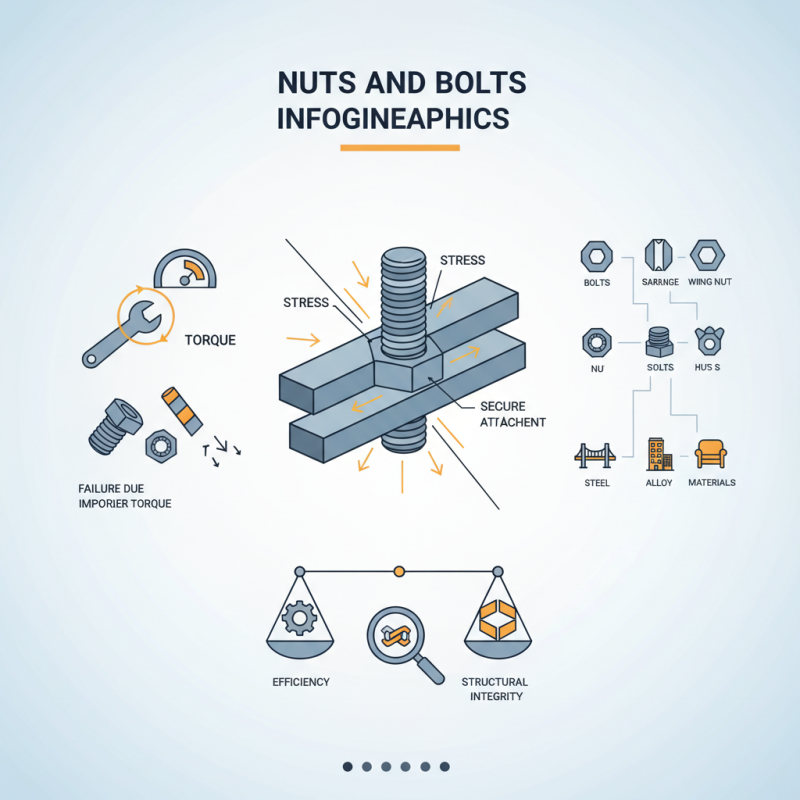
The nut and bolt are more than just simple tools. Their design allows for secure attachment and easy disassembly. Each piece plays a unique role; the bolt is the shank, the nut is the gripping companion. Together, they create a reliable connection under stress. Yet, their effectiveness can be compromised if not used correctly. Failing to ensure the proper torque can lead to failures, which is a critical oversight in fastener assembly.
In many ways, the industry’s reliance on the nut and bolt reflects a broader truth about construction and engineering. Relying solely on these fasteners can be a weakness if not paired with attention to detail. Engineers must not overlook the importance of choosing the right materials and sizes. Balancing efficiency with structural integrity often demands reflection on every choice made in the assembly process.
What Is a Nut and Bolt?
A nut and bolt are essential components in construction and machinery. A bolt is a threaded fastener. It is designed to fit into a corresponding nut. Together, they create a secure connection. The threads on both parts allow for a strong grip.
Nuts come in various shapes and sizes. Common types include hex nuts and wing nuts. Each type serves specific purposes. Bolts are also diverse. They vary in length, diameter, and strength. These differences can make a big impact.
Using nuts and bolts can be a challenge. Sometimes, finding the right size is tricky. Tightening them properly is an art. Too loose, and they won’t hold; too tight, and you might strip the threads. A miscalculation can lead to failure. Real-world application shows that attention to detail is vital. Even small mistakes can have big consequences.
The Components: Understanding Nuts and Bolts
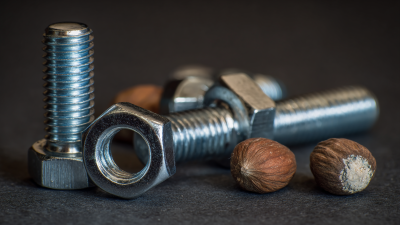
Nuts and bolts are essential components in countless applications. They seem simple, yet their design is quite complex. A nut is a hexagonal block with a hole, and a bolt is a cylindrical rod with a head on one end. They work together to create a secure fastening. This relationship between nuts and bolts is fundamental in construction, machinery, and various DIY projects.
Understanding different types of nuts and bolts is crucial. For instance, some have coarse threads while others have fine threads. The thread type affects how tightly they grip. Additionally, some nuts are designed for locking to prevent loosening. Bolts can also vary in length and diameter, making it necessary to select the correct size for the task at hand. While it may be tempting to use whichever is available, this can lead to structural issues later.
Many overlook the importance of proper installation. It involves more than just tightening; the torque must be applied correctly. Too much can strip threads, while too little can lead to failure. Reflecting on these details can make a significant difference in performance and safety. Each project requires attention to these small but vital components.
Common Types of Nuts and Bolts and Their Uses
Nuts and bolts are essential fasteners used in various applications. They serve the simple yet crucial purpose of holding objects together. Different types of nuts and bolts cater to specific needs.
Hex bolts are common in construction. Their six-sided heads make them easy to tighten with a wrench. They often connect structural components. Capture nuts are designed to prevent rotational movement. You’ll find them in assembly lines, where stability matters. Wing nuts can be tightened by hand. These are great for quick adjustments.
Each type has unique strengths and weaknesses. Improper use can lead to failures. Choosing the right nut and bolt ensures safety. It's vital to understand your project needs. Overlooking specifications can result in loose connections. Always check compatibility before finalizing your choice. Fastening systems require attention to detail and awareness of potential issues.
How to Properly Install Nuts and Bolts
When it comes to installing nuts and bolts, precision is key. Start by selecting the right size. Use a wrench that fits snugly, avoiding any wiggle. This helps to prevent stripping the nut or bolt. Clean surfaces can also enhance the grip. Dirt and oil can interfere with proper installation.
Installing a bolt into a pre-drilled hole requires attention. Ensure that the hole is not too big or too small. If the fit is loose, the assembly may become unstable. When tightening, apply steady pressure. Avoid over-tightening, as this can lead to breakage.
After installation, it’s essential to check your work. A bolt that’s too loose may fail under stress. A slightly tight bolt can damage the material. Regular inspections will help maintain the integrity of the assembly. Rethink your process if you're unsure about the tightness. Each project may require adjustments in technique.
What is a Nut and Bolt and How Are They Used? - How to Properly Install Nuts and Bolts
| Type |
Material |
Size |
Applications |
Installation Method |
| Hex Nut |
Steel |
M10 |
Automotive, Machinery |
Wrench Tightening |
| Lock Nut |
Brass |
M6 |
Electronics, HVAC |
Hand Tightening |
| Flange Bolt |
Stainless Steel |
M8 |
Construction, Furniture |
Screwdriver Installation |
| Wood Screw |
Carbon Steel |
P4 |
Carpentry, DIY |
Power Drill or Screwdriver |
| Shoulder Bolt |
Alloy Steel |
M12 |
Machinery, Fixtures |
Torque Wrench |
Applications of Nuts and Bolts in Various Industries
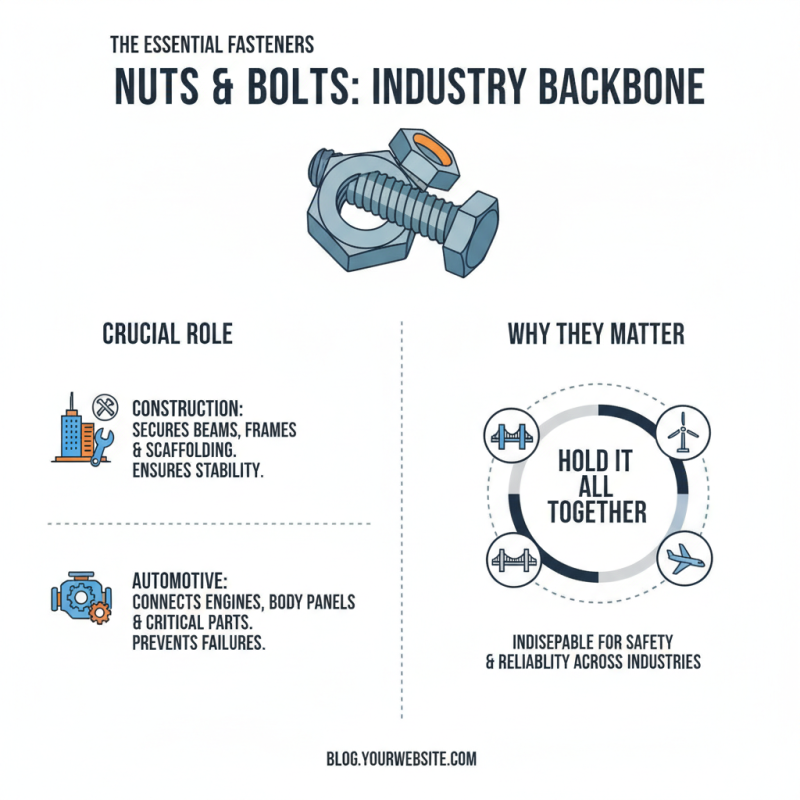
Nuts and bolts play a vital role in many industries. They hold components together securely. In construction, they secure beams, frames, and scaffolding. Without them, buildings would be unstable. The automotive industry also relies heavily on these fasteners. They connect engines, body panels, and other crucial parts. A single loose nut can lead to significant issues.
In manufacturing, nuts and bolts are essential for assembly lines. They enable quick and effective assembly of products. Machines and equipment use these fasteners for durability. However, over-tightening can strip threads. This mistake highlights the importance of precision in usage.
In the aerospace sector, safety is paramount. Nuts and bolts hold planes together, supporting passenger safety. Any failure could have dire consequences. Quality control is necessary to ensure reliability. Despite their simplicity, these fasteners demand careful handling and inspection. Each application presents unique challenges, reminding us to prioritize caution and responsibility.