What is a Mushroom Head Screw? A Complete Guide to Types and Uses
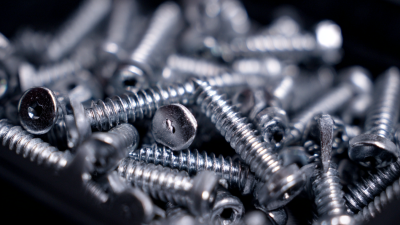
When it comes to fasteners, the Mushroom Head Screw stands out in both functionality and design. This unique hardware solution is characterized by its dome-shaped head, which not only provides a distinctive aesthetic but also enhances its performance in various applications. Understanding the types and uses of Mushroom Head Screws is essential for anyone involved in construction, manufacturing, or even DIY projects. This guide delves into the features of Mushroom Head Screws, exploring their various classifications, materials, and suitable applications.
The versatility of Mushroom Head Screws lies in their ability to securely fasten elements while minimizing the risk of accidental loosening. With different types available, such as those made from stainless steel for enhanced corrosion resistance or those designed for specific installation methods, choosing the right Mushroom Head Screw can significantly impact the durability and safety of your project. Throughout this guide, we will cover the essential aspects of Mushroom Head Screws to help you make informed decisions whether you are an engineer, a craftsman, or a hobbyist.
Understanding the Definition and Characteristics of Mushroom Head Screws
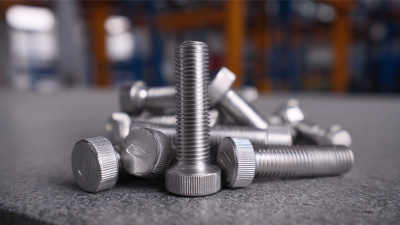
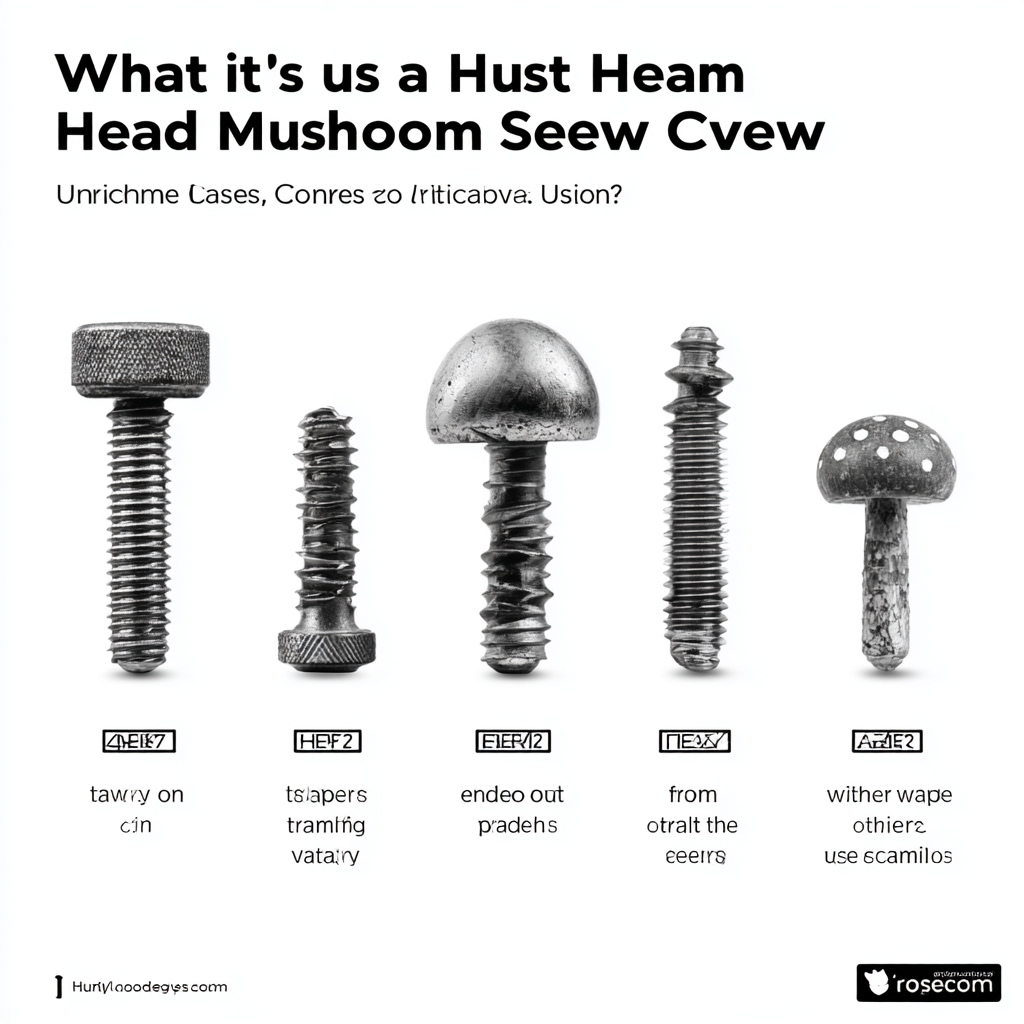
Mushroom head screws are specialized fasteners characterized by their unique dome-shaped heads that resemble a mushroom cap. This design not only adds aesthetic value to various applications but also provides enhanced load distribution and prevents pull-through in softer materials. These screws are commonly used in woodworking, automotive, and industrial manufacturing due to their various benefits, including ease of installation and corrosion resistance.
When selecting mushroom head screws for your project, consider the material and finish that best suits your needs. For outdoor applications, stainless steel screws are a great choice due to their resistance to rust and corrosion. Additionally, always check the compatibility of the screw head with your tools; a proper fit ensures efficient installation and reduces the risk of stripping the head.
**Tips:** Always pre-drill holes to avoid splitting the material when working with wood. If you are using mushroom head screws in a high-stress environment, opt for a screw with a greater tensile strength to ensure durability. Finally, remember to choose the right length of screw; it should penetrate sufficiently without protruding excessively on the other side.
Mushroom Head Screw Types and Their Popularity
This chart illustrates the popularity of different types of mushroom head screws, showing how various forms are favored in applications. The standard mushroom head screw is the most popular, followed by the pan and flanged types, while socket and button varieties are less common.
Exploring Different Types of Mushroom Head Screws and Their Applications
Mushroom head screws are a unique type of fastener characterized by their dome-shaped heads, which provide both aesthetic appeal and functional benefits. These screws come in various materials, including stainless steel and brass, making them suitable for a wide range of applications. The rounded head design is ideal for use in projects where non-protruding fasteners are required, such as in wood panels, furniture assembly, and even automotive applications.
When choosing mushroom head screws, consider the environment they will be used in. For example, stainless steel screws offer excellent corrosion resistance, making them perfect for outdoor applications. Tips for installation include pre-drilling holes to avoid splitting materials and using the appropriate torque settings to ensure a secure fit without damaging the surface.
Additionally, mushroom head screws can be paired with washers to distribute load more evenly, further enhancing their performance in heavy-duty applications. To ensure durability, always check the compatibility of the screw material with the materials being fastened.
Comparing Mushroom Head Screws with Other Fastener Types
 Mushroom head screws are unique fasteners characterized by their rounded, domed heads, which provide an aesthetic touch and functional advantages. When compared to other fastener types like pan head and button head screws, mushroom head screws stand out due to their increased surface area. This design helps distribute load more evenly, making them particularly useful in applications where the fastener must endure higher stresses without causing material deformation.
Moreover, the design of mushroom head screws allows for easier installation in confined spaces, as the dome shape facilitates entry into pilot holes. Unlike flat head screws that require countersinking, mushroom head screws can be used in a flush or slightly protruding manner. This feature is advantageous in products where a smooth surface is crucial, such as in furniture or consumer electronics. In contrast, other fastener types may require additional machining or may not provide the same level of surface protection, making mushroom head screws a more versatile choice in various manufacturing and assembly settings.
Benefits and Drawbacks of Using Mushroom Head Screws in Various Projects
Mushroom head screws are a versatile fastening option utilized in various projects for their unique design and functionality. The rounded head provides a wide bearing surface, making these screws ideal for applications where a flush finish is not critical but where minimizing damage to the material is necessary. Their wide head reduces the risk of pull-through in softer materials, which is particularly beneficial in woodworking and drywall installation.
However, while mushroom head screws offer considerable advantages, they also come with some drawbacks. One potential downside is their limited engagement depth compared to other screw types, which may affect their holding strength in certain applications. Additionally, the rounded head can make them more challenging to drive in tight spaces where a more conventional screw design might be preferable. Despite these challenges, the benefits of using mushroom head screws—such as their aesthetic appeal and support for a variety of materials—make them a popular choice in construction and DIY projects alike.
Best Practices for Selecting and Installing Mushroom Head Screws
When it comes to selecting and installing mushroom head screws, understanding the specific needs of your project is crucial. Mushroom head screws are noted for their round, dome-like heads, which provide a larger surface area for load distribution. This characteristic makes them particularly beneficial in applications where stability is paramount, such as in construction and automotive industries.
According to a recent report by the Fastener Quality Act (FQA), using the appropriate fastener type can reduce the failure rate of assembly by as much as 30%, underscoring the importance of proper selection.
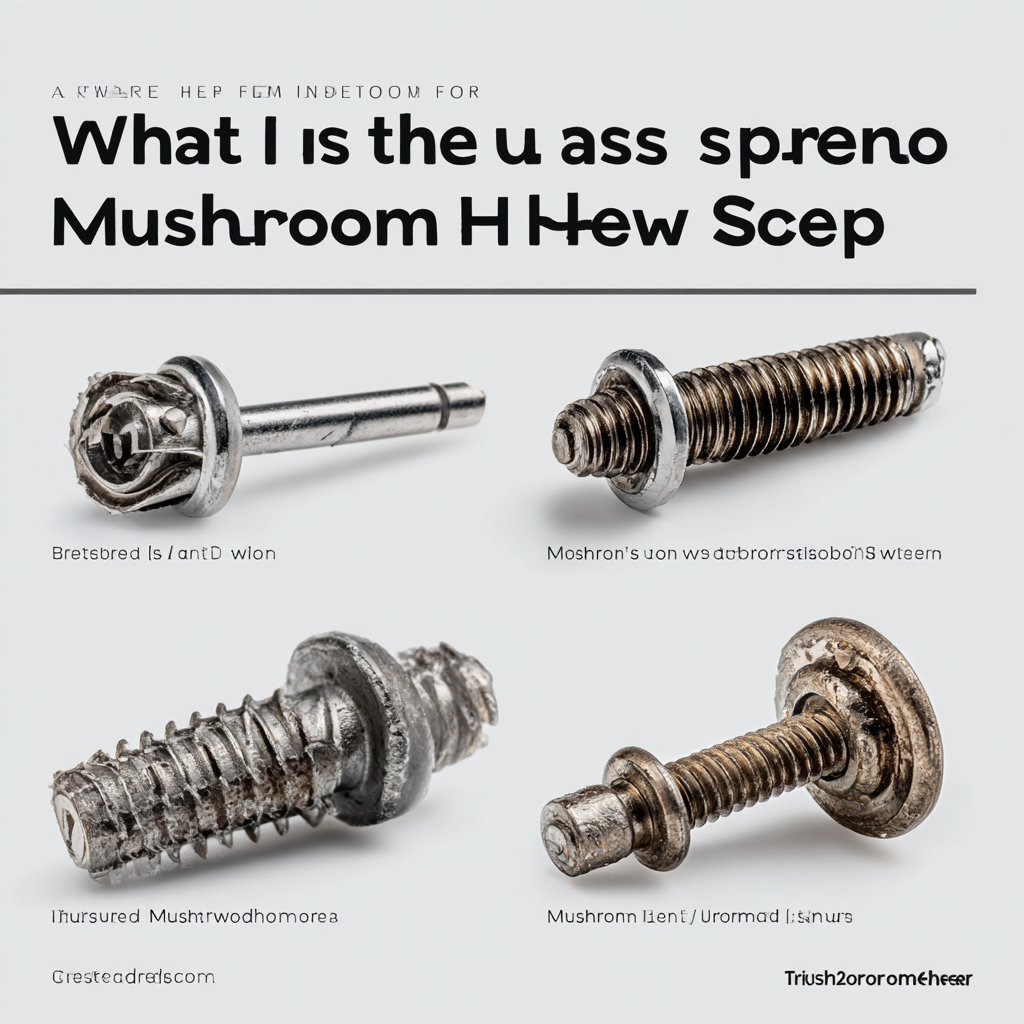
Tips for selecting mushroom head screws include considering the material and finish to ensure compatibility with the working environment. Stainless steel variants, for instance, are ideal for outdoor applications due to their corrosion resistance, while zinc-plated options can be sufficient for indoor uses. Also, pay attention to the thread design; coarse threads provide better grip in softer materials, while fine threads are suitable for harder substrates.
During installation, ensure that the screws are tightened to the manufacturer's specifications to prevent over-torquing, which can lead to stripping or breaking. Additionally, using a pilot hole is recommended to facilitate easier insertion and to avoid damaging the surrounding material. With these guidelines in mind, you can maximize the performance and durability of your mushroom head screws in any application.