Custom Carriage Bolts Uses Benefits and Applications in 2026?
In 2026, the demand for Custom Carriage Bolts is expected to grow significantly. According to a recent industry report, the fastener market is projected to reach $100 billion by 2026. Custom Carriage Bolts are essential in various sectors, including construction, automotive, and furniture. These bolts offer unique benefits, such as enhanced load-bearing capacity and flexibility in design.
Custom Carriage Bolts provide advantages like corrosion resistance and durability. Companies are increasingly using these bolts for specialized applications. However, many still overlook the importance of choosing the right specifications. Manufacturers emphasize that a mismatch in dimensions can lead to structural failures, affecting performance.
With advancements in manufacturing technology, customization is more accessible. This allows businesses to meet precise requirements. However, there can be challenges in ensuring quality control. Some reports indicate that improper production methods can lead to inconsistencies, which hurt the product's reliability. Overall, Custom Carriage Bolts play a crucial role in today’s industries, but careful consideration in their application is vital for success.

Understanding Custom Carriage Bolts: Definition and Characteristics
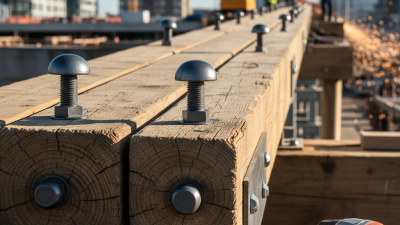
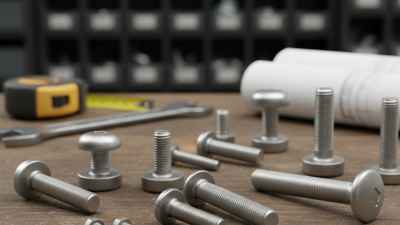
Custom carriage bolts offer unique features for various applications. They possess a domed head and a square neck, which prevents rotation during installation. This design provides a reliable securing mechanism. By customizing these bolts, manufacturers can tailor dimensions and finishes to meet specific requirements. Various materials like stainless steel, brass, and carbon steel cater to diverse environments and conditions.
Using custom carriage bolts improves structural integrity. They work well in wood and metal projects. The versatility allows for seamless use in furniture, railings, and even outdoor structures. However, it’s essential to consider threading and length. An improperly sized bolt can lead to structural failure. Sometimes, the available options might not meet specific needs, prompting further exploration.
In 2026, custom carriage bolts may evolve further. Manufacturers may experiment with innovative materials and coatings. This could enhance their resistance to corrosion and wear. As industries continue to demand higher quality fasteners, the importance of proper selection increases. Understanding the unique characteristics of carriage bolts is crucial for future applications.
Custom Carriage Bolts: Uses, Benefits, and Applications in 2026
| Dimension |
Material |
Finish |
Common Uses |
Benefits |
| 1/4" x 4" |
Carbon Steel |
Zinc Plated |
Wooden Structures |
Corrosion Resistance |
| 5/16" x 6" |
Stainless Steel |
Black Oxide |
Heavy Duty Applications |
High Strength |
| 3/8" x 8" |
Brass |
Natural Finish |
Decorative Fixtures |
Aesthetic Appeal |
| 1/2" x 10" |
Alloy Steel |
Galvanized |
Construction Projects |
Durability |
Key Benefits of Using Custom Carriage Bolts in Various Applications
Custom carriage bolts are becoming increasingly popular across various industries in 2026. These specialized fasteners provide unique advantages that enhance both functionality and aesthetics. One key benefit of using custom carriage bolts is their versatility. They can be tailored to fit specific project requirements, which improves efficacy. For example, a custom length can aid in tight spaces where standard bolts might fail.
Another significant benefit is their enhanced strength. Custom carriage bolts can withstand substantial loads and pressures. This feature is crucial in construction and automotive applications. In these scenarios, safety and durability are paramount. They also come with a smooth, rounded head that prevents snagging, making them ideal for exposed surfaces.
However, there are challenges when using custom carriage bolts. Finding the right supplier for these specialized fasteners isn’t always easy. Lead times may be longer than expected. Costs can also escalate depending on the level of customization required. Each project needs a careful assessment to determine if custom bolts are the right choice. Achieving the perfect balance of cost and quality is essential for successful implementation.
Industry Insights: Demand Trends for Carriage Bolts in 2026
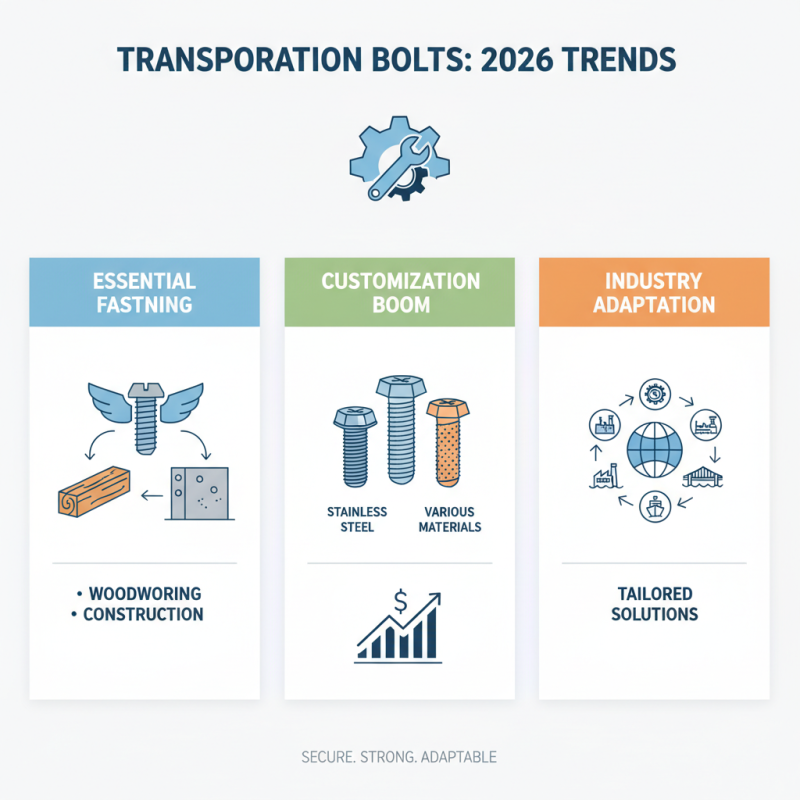
Carriage bolts have become essential in various industries in 2026. Their unique design allows for a secure fastening solution in woodworking and construction. The demand for customized options has risen sharply. Industries seek bolts made from different materials, such as stainless steel and aluminum, to suit specific needs.
As manufacturers adjust to consumer preferences, trends are emerging. Builders prefer stronger, corrosion-resistant versions. Additionally, aesthetic considerations are vital. Designs with decorative heads are gaining popularity, especially in visible settings. This reflects a shift towards combining functionality with visual appeal.
Tips: When choosing carriage bolts, consider the environment. Corrosive elements can significantly impact longevity. Evaluate the necessary load-bearing capacity carefully. A stronger bolt might be needed for heavy-duty projects. Flaws in planning can lead to failures, impacting both safety and budget. Always keep an eye on evolving industry standards to stay ahead.
Comparative Analysis: Custom vs Standard Carriage Bolts in Construction
In construction, the choice between custom and standard carriage bolts can greatly impact project outcomes. Custom carriage bolts offer specific design alterations that can enhance functionality. According to a 2022 industry report, about 30% of contractors prefer custom bolts for unique structural requirements. This flexibility allows for a better fit, reducing the risk of material failure.
However, standard carriage bolts remain a popular choice due to their availability and cost-effectiveness. They are readily accessible and provide reliable performance in many applications. Yet, the one-size-fits-all approach does not always address the unique needs of various projects. A study indicated that projects using custom bolts often saw a 15% increase in structural integrity compared to those using standard options.
There's a trade-off between cost and tailored benefits. Custom carriage bolts can lead to higher initial costs. Yet, they may save money in the long run by reducing repairs and replacements. Not every project requires customization, but understanding when it is beneficial is vital for construction efficiency. It’s crucial to weigh these factors carefully before making a decision.
Custom vs Standard Carriage Bolts in Construction (2026)
This chart compares the benefits and applications of custom versus standard carriage bolts used in construction by analyzing their cost, ease of installation, and versatility across different projects.
Future Innovations in Carriage Bolt Design and Manufacturing Processes
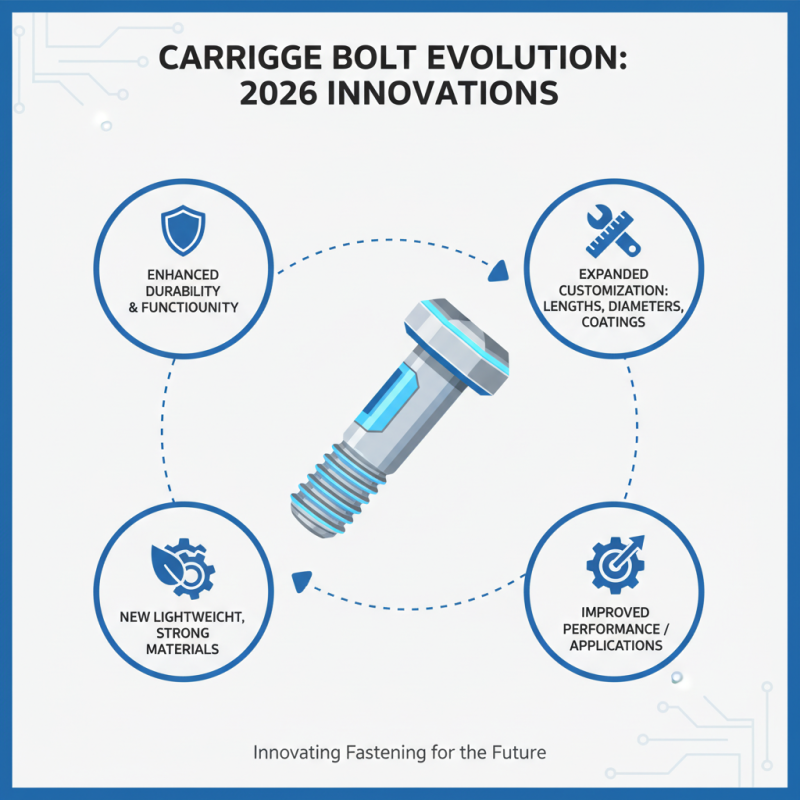
In 2026, the carriage bolt evolves with innovative designs. Manufacturers focus on enhancing durability and functionality. New materials reduce weight while maintaining strength. This shift improves performance in various applications. Customization options expand, allowing users to select lengths, diameters, and coatings.
Innovation also lies in manufacturing processes. 3D printing technology enables rapid prototyping of unique designs. This method reduces waste and costs in production. Additionally, automation streamlines assembly lines, enhancing precision. Yet, issues remain. The transition to automated systems can create challenges. Some workers may struggle with new technologies.
Sustainability is another area of exploration. Companies aim to minimize environmental impact by using eco-friendly materials. However, the balance between cost and sustainability is delicate. Some designs may become too expensive for mass production. The journey of carriage bolt design continues to unfold, presenting both exciting possibilities and significant hurdles.