How to Choose the Right Torx Screw for Your Project?

Choosing the right Torx screw for your project can significantly impact the quality and durability of your work. Industry reports indicate that improperly selected screws can lead to failures in mechanical systems. According to Dr. William Hart, a leading expert in fastener technology, “The right screw prevents project delays and enhances performance.”

Torx screws offer unique benefits. Their design provides better torque transfer and reduces the risk of stripping. In recent years, they have gained popularity across various sectors, including automotive and aerospace. However, not all Torx screws are created equal. Choosing the wrong size or material can compromise structural integrity.

Understanding your project needs is crucial. Pay attention to factors like load-bearing capacity and environmental conditions. Many professionals still overlook these details, leading to costly mistakes. By focusing on the right specifics, you can ensure a successful application of Torx screws in your projects. Your attention to detail and knowledge in this area will pay off in the long run.
How to Choose the Right Torx Screw for Your Project?

Understanding Torx Screw Types and Their Applications

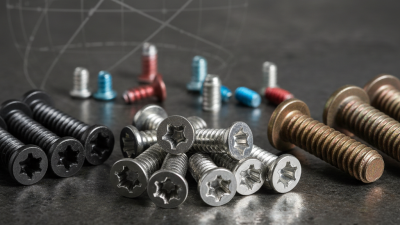
When selecting a Torx screw, understanding the various types available is crucial. Torx screws come in several sizes and designs. The standard Torx screws, known for their six-point star shape, provide excellent grip and torque. This makes them ideal for applications requiring precision, such as in electronics or automotive assemblies. You may encounter variants like Torx security screws, which have a pin in the center to prevent tampering. These are often used in public installations where security is paramount.

Different projects demand different sizes and types of screws. For woodworking, larger Torx screws are often preferred for their holding strength. They help prevent stripping, ensuring a secure fit. In contrast, smaller Torx screws suit delicate components, like laptop casings or small appliances. It’s essential to choose the correct size to avoid damaging the materials. Sometimes, a project may require a mix of sizes, which complicates selection.

Choosing the right screw isn’t always straightforward. Mistakes can happen, leading to mismatched sizes or types. It’s vital to double-check specifications, especially for more complex projects. References could include measuring the screw and testing it in the material. Don’t hesitate to ask for advice from experienced professionals if uncertainties arise. Each choice plays a role in the project's success, and reflect on that before finalizing decisions.

Determining the Right Size: Torx Screw Measurements Guide

When selecting the right Torx screw for your project, precise measurements are crucial. Torx screws come in various sizes, denoted by a "T" and a number, like T10 or T25. Each size corresponds to specific dimensions and fits. For example, T10 has a star-shaped socket with a diameter of approximately 3.1 mm. Accurate sizing ensures compatibility with the right driver and prevents stripping.

According to industry data, using the proper Torx screw size can enhance torque and reduce slippage. An engineering study indicates that improperly sized fasteners lead to a 30% decrease in assembly efficiency. Additionally, manufacturers often report that projects using accurate fasteners yield a 20% reduction in rework needs. Ensuring you have the correct size not only streamlines your process but also enhances the durability and safety of your assembly.

Finding the right measurements might seem straightforward, but challenging factors exist. Variations in tolerance standards can affect the fit. Regularly checking your tools and screws saves future headaches. Always remember to stay aware of the specific requirements of your project. A small oversight in sizing can lead to inefficiencies down the line. Being meticulous about Torx screw measurements can ultimately save time and resources.

Material Selection for Torx Screws: Steel, Stainless Steel, and Beyond

When selecting Torx screws, material choice is crucial. Steel is the most common option. It offers good strength and is often coated to resist corrosion. For projects exposed to harsh environments, stainless steel is preferred. It withstands rust and maintains structural integrity over time. This choice is ideal for outdoor applications.

Consider alternative materials as well. Some projects may benefit from plastic or aluminum screws. Plastic screws can be lightweight and resistant to certain chemicals. They are useful in electronics where metal might cause interference. Aluminum screws provide a balance of weight and strength. However, they may not offer the same durability as steel.

Choosing the right material involves trade-offs. For example, while stainless steel excels in corrosion resistance, it can be more expensive. Reflect on your project's specific requirements. Evaluate the conditions to which the screws will be exposed. This reflection can guide you toward the most appropriate choice for your project.

Material Selection for Torx Screws

Analyzing Torque Requirements: Ensuring Proper Tightening

Choosing the right Torx screw is more than about the shape. It's crucial to analyze torque requirements for effective and safe fastening. Proper torque ensures that screws are neither too loose nor overly tight, which can cause damage. Each project varies, and understanding specific torque demands is essential.

Consider using a torque wrench for precision. This tool helps maintain the right tightness and prevents stripping screws. It's easy to overlook this tool in smaller projects. However, in the long run, it saves time and materials.

Pay attention to material properties when selecting screws. Different materials require different torque levels for optimal performance. For example, softer materials might need lower torque to avoid deformation. Regularly check your torque settings if using the same screws repeatedly. Adjust as needed for varying materials to ensure reliability and safety.

Specialty Torx Screws: Exploring Variants for Unique Projects

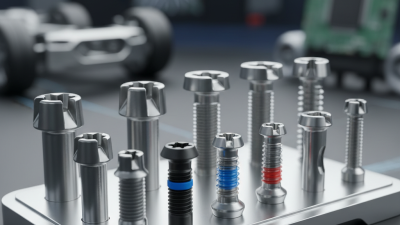
When selecting Torx screws for specialized projects, it is essential to consider the unique characteristics of each variant. Specialty Torx screws, like security or tamper-resistant options, offer added protection for specific applications. For example, in the aerospace industry, it is common to see a rise in the use of these unique screws due to their enhanced durability. Reports indicate that using the correct Torx variant can improve safety ratings by up to 30%.

Different projects demand different requirements. For woodworking, composite materials, or metal parts, you might need variations with specific coatings or head styles. A flat or rounded head can influence how your project is finished aesthetically. Ensure that your choice aligns with the load-bearing needs of your project to prevent possible failures. Additionally, consider the ease of installation. Choosing the right driver size helps in minimizing slippage, thereby reducing potential damage.

It's worthwhile to reflect on the size and length of the screws chosen. A slight mismatch can lead to complications. Choose a screw length that accommodates your material thickness adequately. Often, professionals fall short in this crucial step. Instead of defaulting to standard sizes, measure your materials carefully. Always have a few extra variants at hand. Different materials react differently, and being prepared ensures a smooth workflow.

How to Choose the Right Torx Screw for Your Project? - Specialty Torx Screws: Exploring Variants for Unique Projects

Screw Type Drive Size Material Coating Length Common Uses
Standard Torx T10 - T50 Steel Zinc Plated 1" - 3" Furniture Assembly, Electronics
Security Torx T15 - T40 Stainless Steel Black Oxide 1" - 2.5" Outdoor Projects, Locking Applications
Tamper-Proof Torx T20 - T30 Carbon Steel Galvanized 1.5" - 3.5" Public Fixtures, Security Devices
Long-Reach Torx T25 - T45 Alloy Steel Coated 2" - 6" Automotive, Machinery