How to Choose High Tensile Carriage Bolt for Your Projects?
Choosing the right fasteners is crucial in any project. Among them, the High Tensile Carriage Bolt stands out for its strength and durability. Its reliable performance makes it a preferred choice for heavy-duty applications.
When selecting a High Tensile Carriage Bolt, consider the materials and specifications. Different projects may require specific sizes or grades. Ensure you understand the load requirements your project demands. This understanding can prevent costly mistakes down the line.
While many enthusiasts find high tensile bolts to be an excellent choice, not all projects suit them. Assessing the environment and overall structural needs is essential. Making a wrong decision here can lead to structural failures, which are far more challenging to fix. Remember, informed choices lead to successful projects.
Understanding High Tensile Carriage Bolts: Definitions and Uses
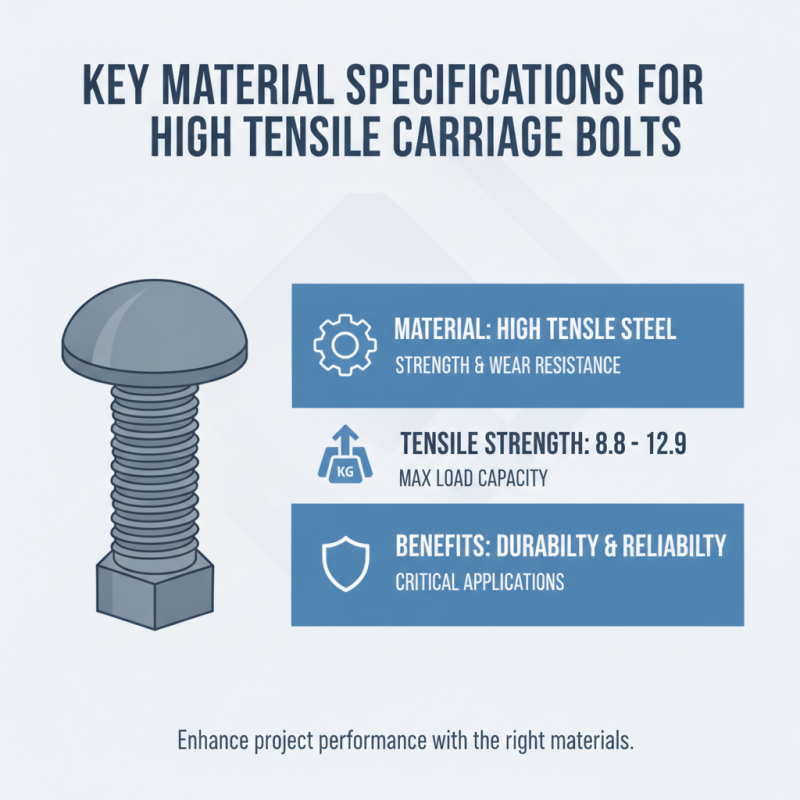
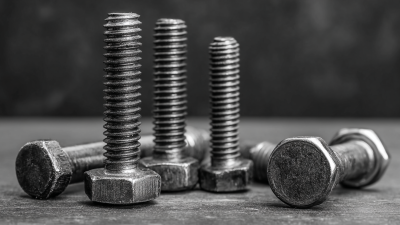
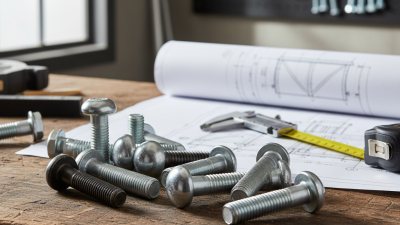
High tensile carriage bolts are essential in various projects. They offer a strong fastening solution for wood and metal connections. These bolts feature a rounded head and a square neck, providing resistance to rotation. Their high tensile strength makes them ideal for heavy-duty applications, such as structural assemblies and outdoor furniture.
When selecting high tensile carriage bolts, focus on the material and coating. Stainless steel options are resistant to corrosion and rust, making them suitable for outdoor use. Look for bolts with adequate tensile strength ratings, ensuring they can withstand the stresses of your application. However, not all projects require high tensile options. For lighter tasks, regular bolts may suffice, saving costs.
Installing high tensile carriage bolts can be tricky. Accurate hole placement is crucial for proper fastening. Measure twice to avoid misalignment. Using the right tools is essential for effective tightening. Over-tightening can lead to bolt failure, which is often overlooked. Always consider the specific needs of your project to make informed choices.
Selecting the Right Grade and Strength for Your Project Needs
Choosing the right grade and strength for high tensile carriage bolts is crucial for your project. The grade of a bolt indicates its material properties, including tensile strength. Common grades include Grade 2, Grade 5, and Grade 8, with Grade 8 being the strongest. Knowing the specific demands of your project can help you select the proper grade. For heavy load applications, opt for higher-grade bolts to ensure safety and longevity.
Understanding the strength requirements is vital. Always consider the forces that will act on the bolt, such as tension and shear. For example, a bolted joint subjected to dynamic loads may require a stronger bolt than one meant for static loads. If the wrong grade is chosen, it could lead to joint failure. Visualizing the load conditions can aid in making better decisions.
Don’t overlook the environmental factors either. Corrosion resistance can greatly impact the longevity of carriage bolts. If your project is outdoors or in a damp environment, consider coatings or materials that resist corrosion. Failing to account for this might result in a premature need for replacements or repairs. Reflect on your project needs thoroughly to avoid costly errors.
Applications of High Tensile Carriage Bolts in Various Industries
High tensile carriage bolts are essential components in various industries. They are designed to withstand high loads and provide secure fastening. In construction, these bolts are vital for structural integrity. They are used in beams, columns, and trusses, ensuring safety in buildings. A slight mistake in choosing the right bolt can lead to issues, such as structural failures. Thus, understanding their specifications is crucial.
In the automotive industry, high tensile carriage bolts play a significant role. They secure critical parts, ensuring the vehicle operates safely. Incorrectly rated bolts could lead to malfunctions or accidents. Attention to detail in selection is essential. Additionally, these bolts are used in furniture assembly, where strength and reliability are paramount. Manufacturers rely on these fasteners for premium product durability. Precision in bolt choice can prevent costly returns or unhappy customers.
Reflecting on these applications highlights the importance of quality. A robust product should not be compromised. Sometimes, the best option is overlooked in favor of convenience. Ensuring reliability in every application is critical. When working with high tensile carriage bolts, consider their long-term performance and not just initial costs.
Best Practices for Installation and Maintenance of Carriage Bolts
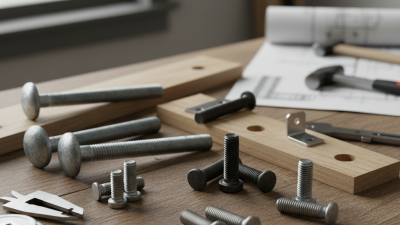
When installing high tensile carriage bolts, proper techniques are essential for durability. Begin with drilling holes in your workpieces. Make sure these holes align perfectly. Misalignment can cause stress and weaknesses in the structure. Next, use a washer beneath the bolt's head. This distributes pressure evenly, reducing the risk of material damage. A second washer under the nut can also help in maintaining the integrity of the connection.
Maintenance is equally important. Regularly check for any signs of rust or corrosion, especially if the bolts are outdoors. Pay attention to any signs of movement or loosening. It's crucial to tighten them properly when needed. Remember, over-tightening can lead to breakage. If you notice a bolt that seems compromised, consider replacing it. Sometimes, it’s easy to overlook small details, but those can lead to larger failures if not addressed.
Using the right tools during installation is key. An impact wrench can save time, but be careful. Too much force can damage the materials being fastened. Each project is a learning experience. Reflect on what works and what doesn't. Take notes on your installations and adjustments for future reference. This practice enhances your skills and ensures better outcomes in subsequent projects.