How to Choose the Right Carriage Bolt for Your Project
Choosing the right carriage bolt for your project can significantly impact the durability and success of your construction or repair tasks. Carriage bolts, known for their rounded heads and square necks, are commonly used in various applications, from wood to metal connections. Understanding the specific requirements of your project, such as load capacity, material type, and environmental factors, is crucial in selecting the right carriage bolt.
In this article, we will delve into the top five types of carriage bolts available in 2025, highlighting their unique features and applications. By examining these options, we aim to provide you with the necessary knowledge to make an informed decision. Whether you are a seasoned contractor or a DIY enthusiast, understanding the nuances of carriage bolts will enhance your ability to choose the most suitable fasteners for your needs, ensuring safety and reliability in your projects.
Understanding the Basics of Carriage Bolts: Types and Materials
When selecting the right carriage bolt for your project, it’s essential to understand the various types and materials available.
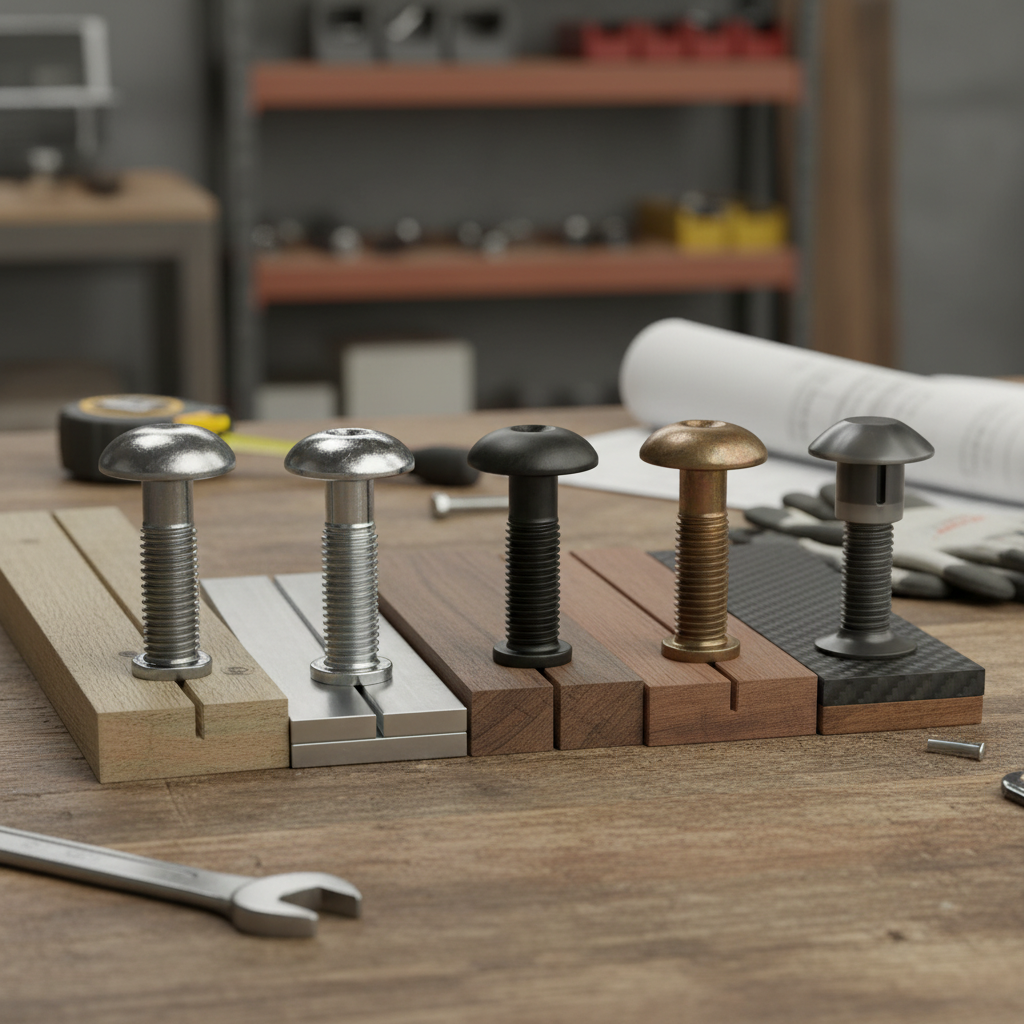
Carriage bolts are commonly made from steel, stainless steel, or plastic, each offering different properties suited for specific applications.
The global industrial fasteners market, including bolts, is projected to grow significantly, with an expected increase from USD 90.57 billion in 2025 to USD 104.12 billion by 2029. This growth emphasizes the importance of choosing the right fasteners for strength and durability.
Tips: Always consider the environmental conditions in which your carriage bolt will be used. For outdoor projects or high-moisture environments, stainless steel bolts may be preferable due to their corrosion resistance. Additionally, the bolt diameter impacts the joint's performance; larger bolts tend to provide better load distribution, enhancing structural integrity.
Another key factor is the compatibility of the bolt with the materials being joined. For instance, while steel bolts are robust, using them with softer materials can cause damage. Review industry standards and specifications relevant to your project to ensure that your choices meet the necessary criteria for safety and performance.
Key Factors to Consider When Selecting a Carriage Bolt
When selecting the right carriage bolt for your project, several key factors must be taken into account. First and foremost is the material composition. Carriage bolts are commonly available in steel, stainless steel, and plastic. According to the American Fastener Journal, approximately 70% of construction projects utilize steel-based fasteners due to their strength and cost-effectiveness. However, if your project will be exposed to moisture or chemicals, opting for stainless steel can provide greater corrosion resistance, thereby prolonging the lifespan of your installation.
Another crucial consideration is the bolt size and length. Based on the Fastener Quality Act data, using the appropriate size can significantly enhance the structural integrity of your assembly. For instance, a bolt that is too short may not securely hold materials together, while an overly long bolt can create unnecessary stress on the components. Furthermore, it's essential to consider the appropriate head type and finish. For outdoor applications, a galvanized finish can offer additional protection against environmental factors. By thoughtfully evaluating these attributes, you can ensure that your choice of carriage bolt will meet the demands of your specific project effectively.
Top 5 Applications Perfect for Carriage Bolts in 2025
Carriage bolts are versatile fasteners that can significantly enhance the stability and durability of various projects. In 2025, there are five key applications where carriage bolts truly shine. First, they are ideal for wooden furniture construction, particularly when creating sturdy joints that require a reliable grip without splitting the wood. Their rounded heads also provide a clean aesthetic, making them perfect for visible connections in furniture design.
Another important application is in outdoor decking projects, where carriage bolts are used to secure wood planks to the framing beneath. Their ability to withstand the elements makes them particularly valuable in this context, ensuring that decks remain intact and safe over time. Additionally, carriage bolts play a crucial role in constructing playground equipment, where safety is a top priority. Their robust nature allows for secure assembly of metal and wood components, providing a stable environment for children to play.
Moreover, they are frequently employed in fence construction, helping to securely attach vertical posts to horizontal rails. This application benefits from the carriage bolt's resistance to loosening, maintaining the fence's integrity against the elements. Lastly, carriage bolts are commonly used in automotive assembly, particularly for securing components in an undercarriage where strength and reliability are essential. In these diverse applications, the ability to choose the right carriage bolt can elevate project outcomes, highlighting their importance in modern construction and manufacturing.
Top 5 Applications Perfect for Carriage Bolts in 2025
Comparing the Best Carriage Bolt Brands: A 2025 Perspective
When selecting the right carriage bolt for your project in 2025, it’s essential to consider various brands that stand out for their quality and reliability. Brands like Hillman, Fastenal, and National Bolt & Nut are among the most trusted in the industry. Each of these brands offers a range of sizes, materials, and finishes to cater to different needs. Hillman is known for its vast inventory and availability, Fastenal for its customized solutions, and National Bolt & Nut for its durable products that withstand the test of time.
Tips: Always check the material composition of the carriage bolts. Depending on your project requirements, you might need stainless steel bolts for outdoor use or grade 5 bolts for heavier applications. Additionally, consider the length and diameter of the bolts carefully, ensuring they fit your specific assembly needs.
Also, look into the warranty and customer service policies of each brand. A reputable company should provide adequate support and stand by the quality of their products. Comparing these factors can help you make an informed decision and ensure that you choose a carriage bolt that will perform as expected in your project.
Tips for Proper Installation and Maintenance of Carriage Bolts
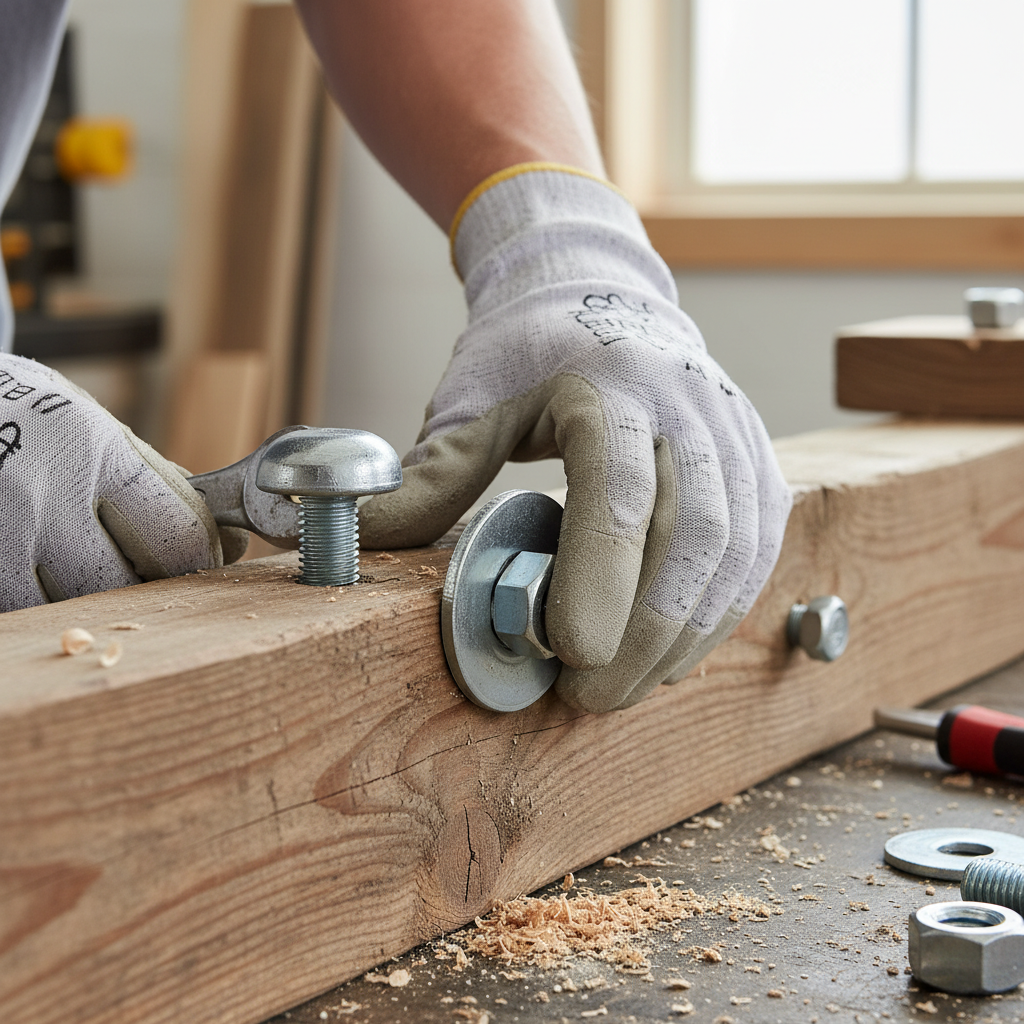
When installing carriage bolts, proper technique is essential to ensure a secure and durable connection. Begin by selecting the appropriate size and type of carriage bolt for your project, taking into account the materials and load requirements. The bolt should fit snugly into the pre-drilled hole, with the rounded head positioned on the surface of the material. This design allows the bolt to resist turning when the nut is tightened. When inserting the bolt, it is crucial to use a washer to distribute the load evenly and prevent damage to the surface.
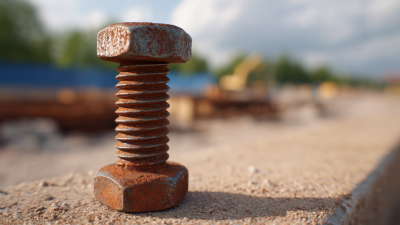
Once the carriage bolt is in place, tighten the nut using a wrench, but be careful not to overtighten, as this can strip the threads or damage the materials. Regular maintenance is also important; check for signs of corrosion or loosening over time, especially in outdoor applications. If necessary, apply a protective coating or lubricant to keep the bolts in good condition. By following these installation and maintenance tips, you can ensure the longevity and effectiveness of your carriage bolts in any project.