2026 How to Choose the Right Button Head Bolt for Your Projects?
Choosing the right Button Head Bolt can significantly impact your project’s success. As an industry expert, Mark Thompson emphasizes, “A well-chosen button head bolt can enhance both strength and aesthetics.” With various materials, coatings, and designs available, making an informed decision is crucial.
The button head bolt design offers a low profile, suitable for many applications. Their rounded head provides a clean look while reducing potential snagging. Selecting the right one means considering load requirements and environmental factors.
Mistakes in choosing can lead to serious issues. Using subpar bolts might compromise structural integrity. It's vital to research and assess your options thoroughly. In a world where quality matters, understanding the nuances of button head bolts is essential.
Understanding the Basics of Button Head Bolts
Button head bolts are versatile fasteners known for their low profile and rounded head design. They are particularly useful in applications where space is constrained. Understanding their basics helps in selecting the right type for your project.
When choosing button head bolts, consider the material. Common options include stainless steel, carbon steel, and aluminum. Each has unique properties that affect strength and corrosion resistance. For example, stainless steel is ideal for outdoor use, while aluminum is light and great for weight-sensitive projects.
**Tips:** Always match the bolt material to your project's environment. Calculate the required tensile strength to ensure safety.
Next, thread size and length matter. A longer bolt may provide better grip, but excess length can lead to complications. Precision in these dimensions is crucial in avoiding mistakes.
**Tips:** Measure carefully to avoid complications. Consult project specifications to guide your choices.
Lastly, consider the bolt's head type. A button head allows for a smoother finish and prevents snagging, which is beneficial in many designs. However, this smooth finish might not suit every application.
**Tips:** Evaluate the overall design goals before settling on a bolt head type. Ensure compatibility with your tools and assembly method.
Identifying the Specific Requirements for Your Project
When selecting a button head bolt, understanding your project requirements is essential. The specific needs can vary widely based on factors such as load capacity, material, and environmental conditions. For instance, if your project involves high moisture exposure, stainless steel may be the best choice. It resists corrosion and extends the lifespan of the fastener.
Tips: Evaluate the weight your bolt must support. The right size and grade are crucial. Often, people underestimate the importance of these details. Don’t compromise on strength. Choosing the wrong bolt could lead to project failures.
The diameter and length of the bolt are also vital. They should match the materials you are fastening. Too long or too short can create issues. For wooden structures, a longer length allows for deeper penetration. For metal connections, alignment is key to ensure stability.
Tips: When in doubt, consult with experienced professionals. Their knowledge can save you time and resources. Remember, every project is unique, and careful consideration is imperative. A small oversight now can lead to significant ramifications later.
Material Considerations: Choosing the Right Composition
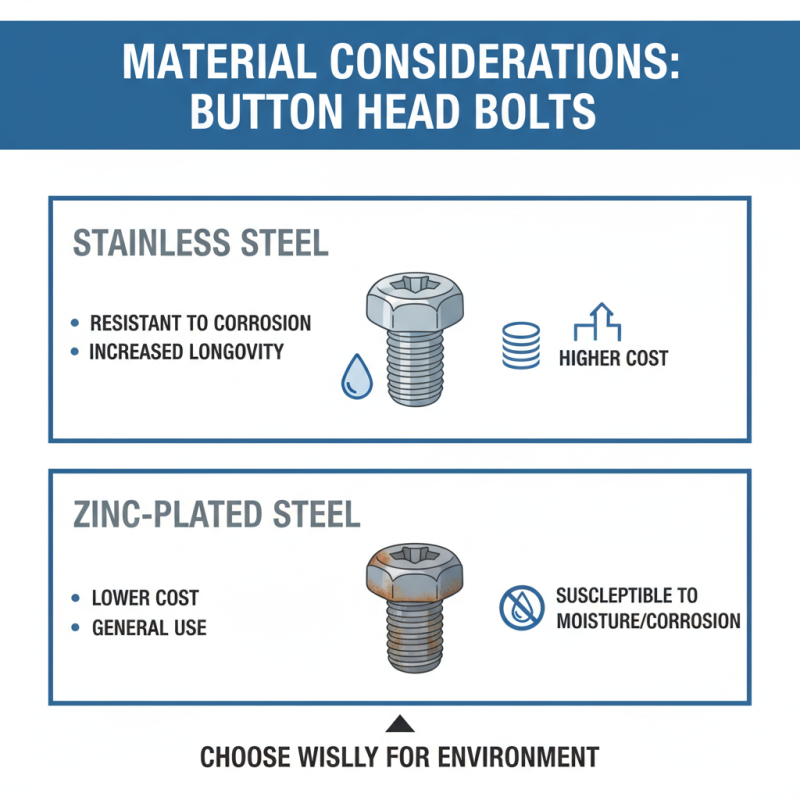
When selecting a button head bolt, understanding materials is crucial. Various compositions offer distinct advantages and disadvantages. For projects exposed to moisture, stainless steel is often favored. Its resistance to corrosion can increase longevity. However, the higher cost may deter some projects.
Carbon steel is another option. It is sturdy and more affordable. Yet, it often requires a protective coating to fend off rust. The coating can wear over time, which might necessitate future maintenance. Always consider the environment where the application will occur.
Additionally, some projects may benefit from specialty alloys. These materials can improve strength, but they often come at a financial premium. Choosing the right material may also impact weight and overall performance. So, evaluating your project’s requirements is essential. Reflect on the balance between cost, durability, and specific application needs to make informed decisions.
Sizing and Thread Types: Ensuring Proper Fit and Function
When selecting the right button head bolt for your projects, consider sizing and thread types carefully. Proper fit is crucial for functionality and safety. Measure the diameter of the bolt and its length accurately. Use calipers for precise measurements. This helps ensure you choose the correct size for your application.
Thread types also play a significant role. Coarse threads provide better gripping in soft materials, while fine threads offer more strength in harder materials. Know the material you’re working with. Inadequate understanding can lead to mismatches. This might cause failures during operation. It’s essential to choose bolts that match your project’s requirements.
Always keep in mind that not every bolt fits all situations. Some projects may require specialized bolts. Researching and understanding the specific needs of your project saves time and resources. A little extra effort in choosing the right button head bolts can prevent costly mistakes later on.
Evaluating Strength and Load Capacity for Safety and Durability
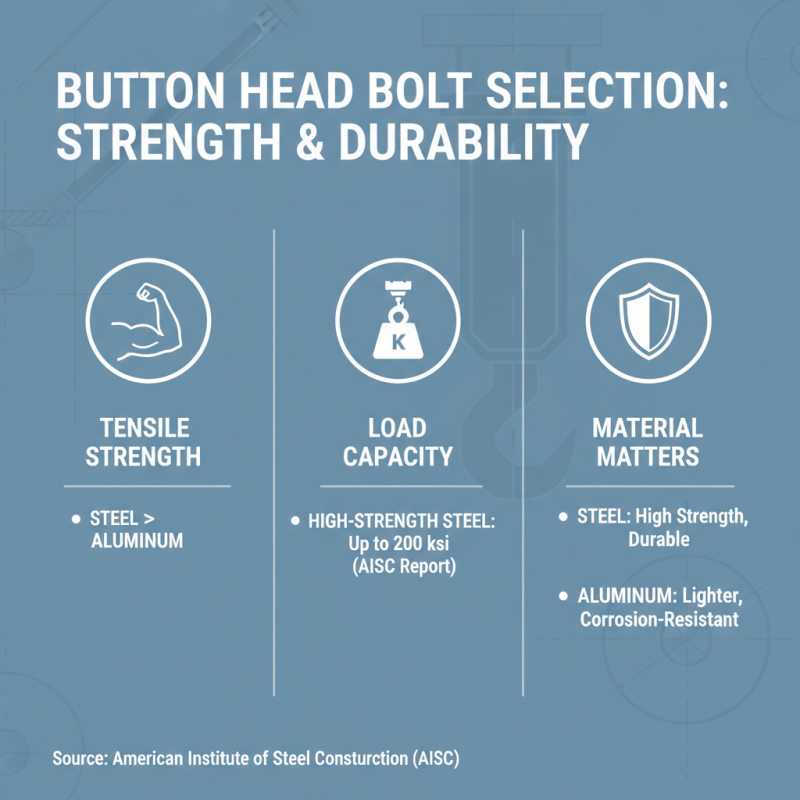
When selecting the right button head bolt, strength and load capacity are crucial. The choice of material affects durability and performance. Steel bolts often provide higher tensile strength compared to aluminum. According to a report by the American Institute of Steel Construction, high-strength steel can handle loads up to 200 ksi.
Evaluating load capacity involves considering both shear and tensile strength. Bolts must withstand the forces exerted during operation. A study published in the Journal of Structural Engineering noted that improperly rated bolts can lead to catastrophic failures. Always check specifications against engineering requirements for safety.
Beyond mere numbers, real-world applications highlight the importance of proper selection. An inadequate choice can cause structural issues. For instance, in a 2021 case study, a construction project faced excessive wear due to incorrect bolt types. Engineers should carefully assess projects individually, balancing strength with practicality.