What is a Carriage Bolt and How is it Used?
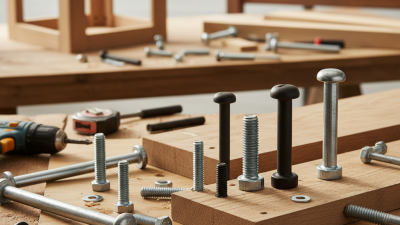
Carriage bolts play a crucial role in construction and woodworking. These fasteners have a unique, rounded head and a square neck. They help prevent spinning during installation. According to John Smith, a renowned fastener expert, "Carriage bolts provide strength and stability in complex applications." His insight highlights their importance in various projects.
Carriage bolts are commonly used in joining wooden structures, especially in outdoor furniture. Their design allows for easy installation, even in tight spaces. However, improperly chosen sizes can lead to weaknesses. Many underestimate this detail. Without the right strength, a project may fail.
In essence, understanding how to use carriage bolts correctly is vital. Misusing these fasteners can lead to costly mistakes. It's important to choose the appropriate bolt length and diameter. Doing so can ensure safety and durability.
Definition and Characteristics of a Carriage Bolt
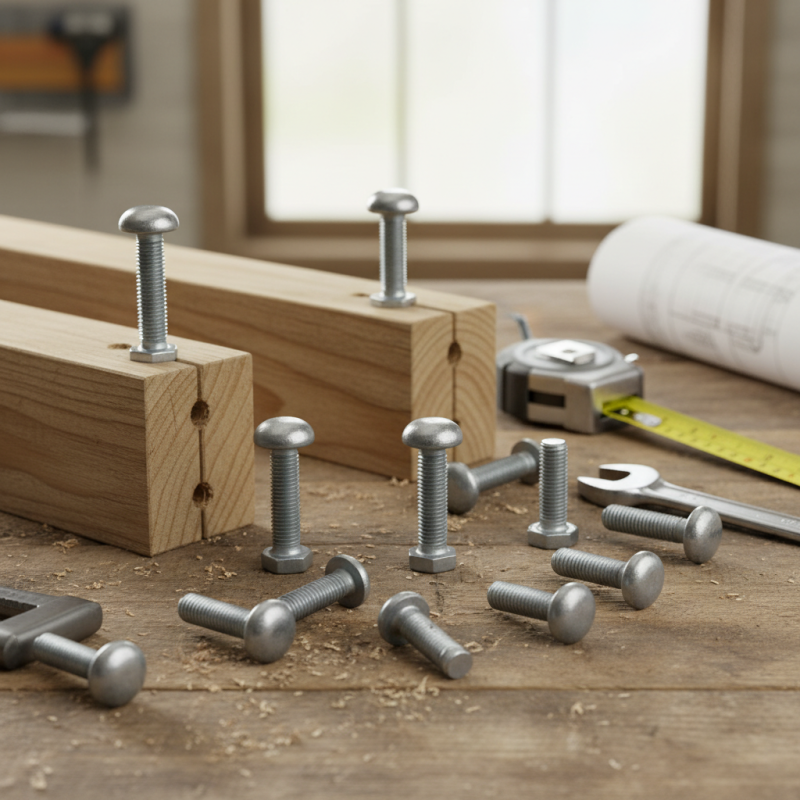
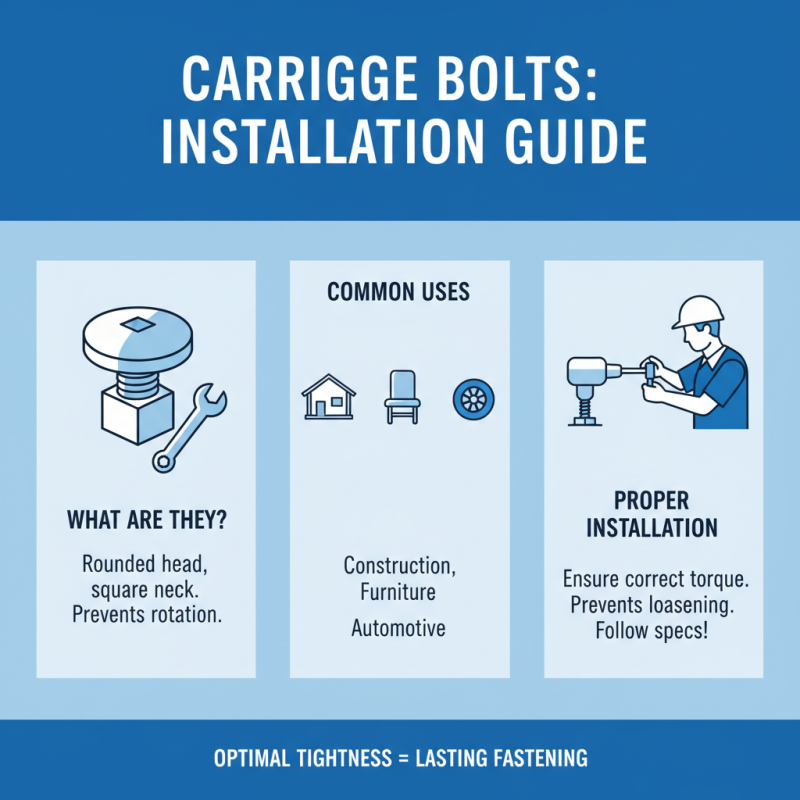
A carriage bolt is a unique fastener. It features a rounded head and a square neck. This design helps prevent the bolt from spinning when tightened. Carriage bolts are often used in wood applications, such as furniture. Their smooth, rounded head creates a clean look.
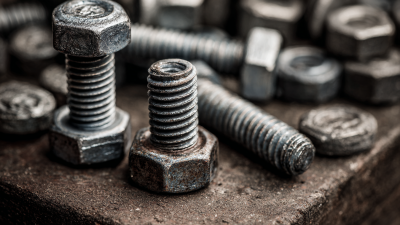
These bolts are usually made from steel. They come in various sizes and lengths. A typical carriage bolt might be 1/4 inch in diameter. They can be coated for corrosion resistance. Some people overlook the importance of selecting the right size. Too long or too short can affect stability.
Tips for using carriage bolts: Always pre-drill a hole to avoid splitting wood. Ensure the square neck is properly seated in the material. Use washers for better load distribution. Double-check your dimensions before purchasing. This can save time and effort during installation. Be mindful of your choices; sometimes a different fastener might be more appropriate.
What is a Carriage Bolt and How is it Used? - Definition and Characteristics of a Carriage Bolt
| Characteristic |
Description |
| Shape |
Round head with a square neck |
| Head Type |
Dome-shaped, prevents slipping |
| Usage |
Securing wood to wood, or wood to metal |
| Material |
Steel, stainless steel, or galvanized |
| Thread Type |
Coarse threads, designed for wood applications |
| Installation |
Requires pre-drilling, often used with a washer and nut |
| Sizes |
Available in various lengths and diameters |
| Advantages |
Provides a strong hold, prevents rotation |
| Common Applications |
Furniture assembly, outdoor structures, and decks |
Common Materials Used in Carriage Bolt Manufacturing
Carriage bolts are essential fasteners used in woodworking and metalwork. They come in various materials, each providing unique properties suited for different applications. Steel is commonly used due to its strength and durability. It can withstand heavy loads and is widely available. However, steel can corrode if not properly treated or coated. This is a consideration when selecting materials for outdoor projects.
Stainless steel is another popular option. It offers excellent resistance to rust and corrosion. This makes it ideal for applications exposed to moisture. However, stainless steel can be more expensive than standard steel. It's important to weigh the costs against the benefits when choosing materials for specific projects.
Some manufacturers also make carriage bolts from plastic or composite materials. These are lightweight and resistant to weather conditions. While they may not carry heavy loads like metal bolts, they serve specific purposes well. Each material has its strengths and weaknesses. Choosing the right one can impact the success of a project.
What is a Carriage Bolt and How is it Used?
Carriage bolts are a type of fastener commonly used in woodworking and construction. They have a round head and a square section beneath the head that prevents them from turning when being tightened. This chart displays the common materials used in the manufacturing of carriage bolts, showcasing the percentage of coverage by each material.
Typical Applications and Industries Utilizing Carriage Bolts
Carriage bolts are specialized fasteners commonly found in various industries. They have a rounded head and a square neck, which prevents them from rotating when tightened. Typically, they are used in construction, furniture assembly, and automotive applications. The effectiveness of carriage bolts often hinges on proper installation, yet many workers overlook this critical step. Proper torque specifications are essential for achieving optimal tightness, minimizing the risk of loosening over time.
In the construction industry, carriage bolts often connect wood and metal structures. Data from the National Association of Home Builders indicates that nearly 70% of all wood-to-metal connections utilize these bolts. Their ability to resist shear forces makes them ideal for load-bearing applications. In furniture manufacturing, they provide stability and durability. However, using the wrong size can lead to structural failures. A recent survey revealed that 15% of furniture recalls are linked to improper fastener usage.
Additionally, automotive manufacturers employ carriage bolts in various assembly processes. They help secure parts like bumpers and chassis components. Yet, a recurring issue in assembly lines is the inconsistency in bolt torque. This can lead to safety risks. Even a slight variation can impact vehicle performance. As industries continue to evolve, the need for precise and reliable fasteners like carriage bolts remains crucial.
Installation Process: How to Properly Use a Carriage Bolt
Carriage bolts are unique fasteners with a round head and a square neck. They provide a strong hold in wood, metal, and plastic. Understanding the proper installation process ensures that these bolts perform effectively.
To install a carriage bolt, start by drilling a hole through your materials. The hole diameter should match the bolt's size. Ensure that the square neck fits snugly into the material. As you insert the bolt, the neck will prevent it from turning. This design is crucial in preventing slippage when securing joints.
Tips: Before drilling, measure and mark the correct spacing. Use a drill bit that matches the bolt's width but allows enough clearance for the nut. Tighten the nut adequately but avoid overtightening. This could compromise the joint or damage softer materials.
When tightening, ensure the load is even. Misalignment can lead to weak connections. It may take a few tries to achieve the perfect fit. The installation process requires attention to detail. Many projects fail due to improper bolt use. Regular inspection of the tightness over time is also recommended.
In conclusion, knowing how to use carriage bolts makes a difference in construction. Adherence to the right methods will yield better results.
Maintenance and Care for Longevity of Carriage Bolts
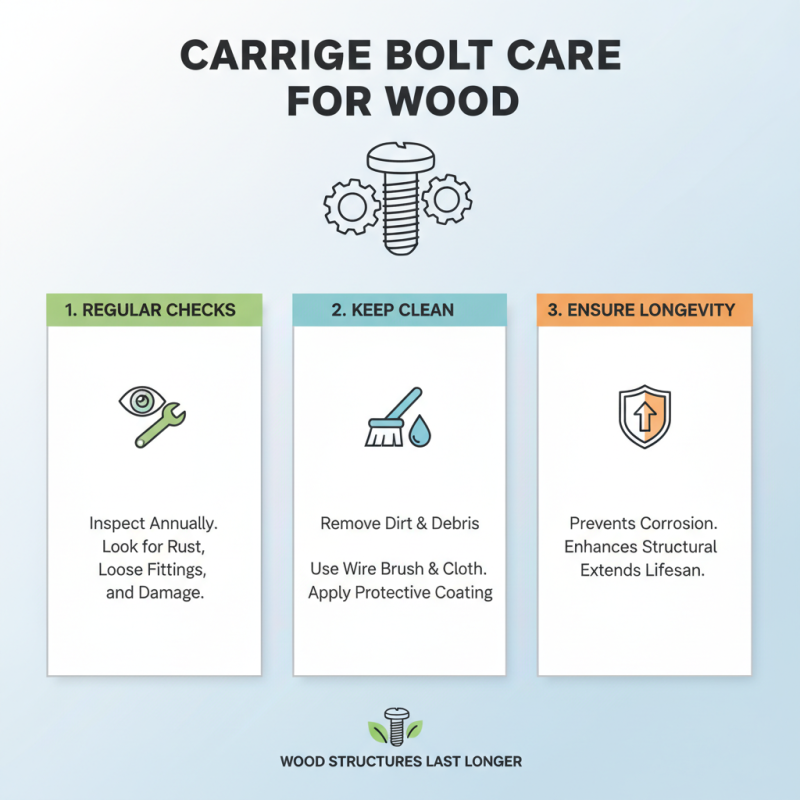
Carriage bolts are a common choice for fastening wood structures. To ensure they last over time, maintenance is essential. Regular checks help prevent rust and other damage. Keeping these bolts clean can significantly enhance their lifespan.
Tips: Use a soft cloth to wipe the bolts. Avoid harsh chemicals that may cause corrosion.
Ensure that the bolts are properly tightened, but don’t overtighten. Overtightening can lead to stripping the threads or damaging the wood. Check for any signs of wear or rust. If found, consider replacing them for safety.
Tips: Inspect the bolts seasonally. This will help catch any issues early.
Storage matters too. If the bolts are not in use, keep them in a dry, cool place. Moisture can lead to rust, shortening their life. Sometimes, it's easy to overlook these details. Reflecting on how your bolts are treated ensures they perform well when needed.