What is a Carriage Bolt and How is it Used?
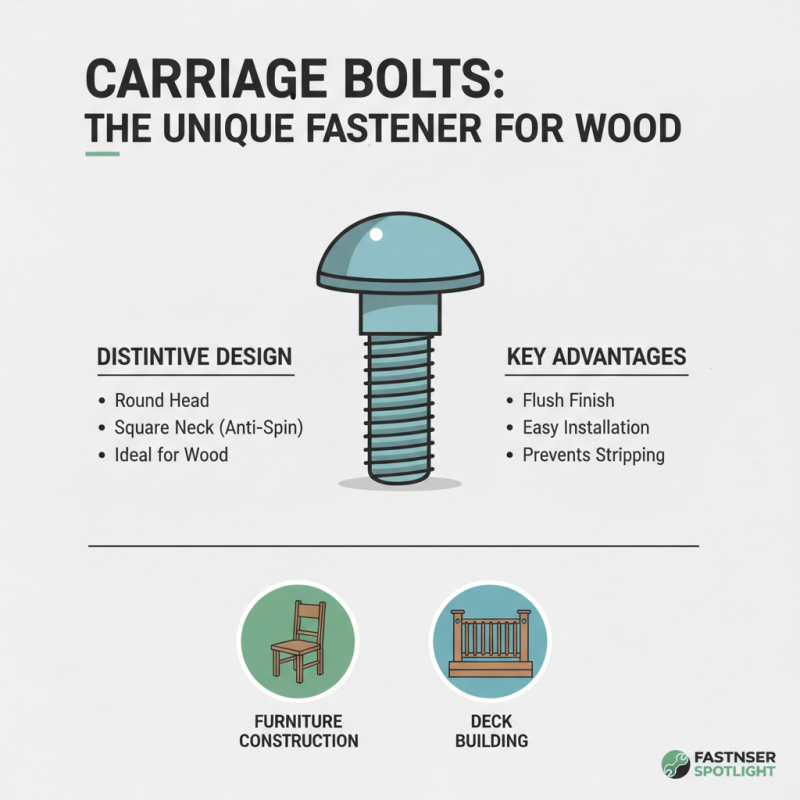
A Carriage Bolt is a unique type of fastener. Used widely in woodworking and construction, it has a rounded head and a square neck. This design prevents the bolt from turning when tightened. Carriage bolts are favored for their strength and durability. They are often found in decks, furniture, and other structures.
When working with a Carriage Bolt, proper installation matters. Aligning the bolt with the hole is crucial but sometimes tricky. A misalignment can lead to a weak fixture. Be cautious when applying pressure. Over-tightening can damage the material.
Understanding how to use a Carriage Bolt effectively can improve your projects. Consider the materials you are joining. Different surfaces require different approaches. Experimentation can lead to better results but can be time-consuming. Reflecting on your methods will enhance your skills.
Definition of a Carriage Bolt and Its Key Features
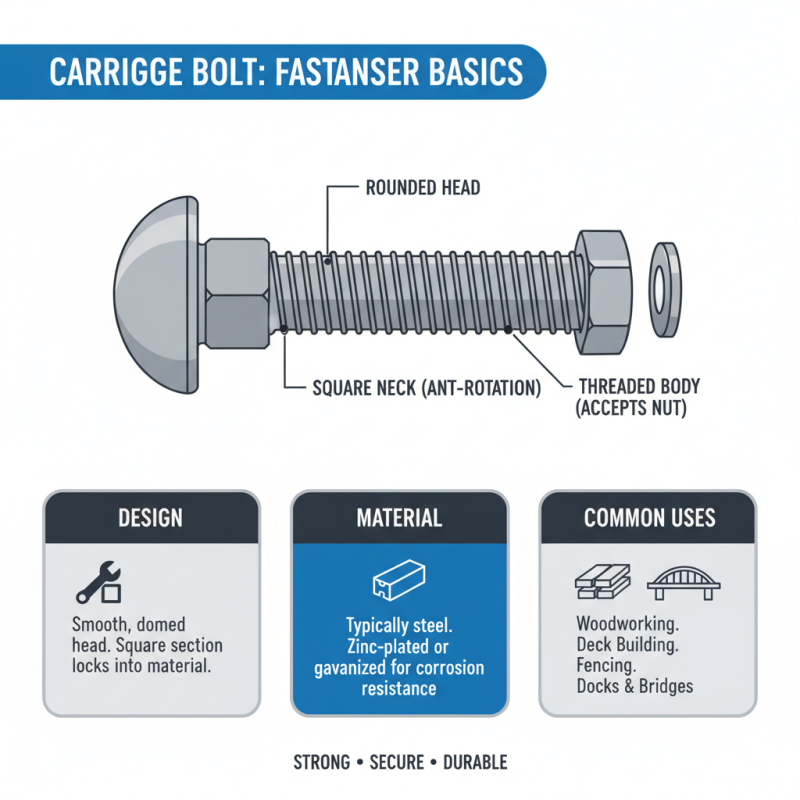
A carriage bolt is a type of fastener, commonly used in woodworking and construction. Its design features a smooth, rounded head and a square section beneath the head. This square section helps it to lock into place when tightened, preventing rotation. Carriage bolts are often made of steel, providing strength and durability.
These bolts are widely used for connecting wooden beams and other structures. Their unique design allows for easy installation, making them popular among DIY enthusiasts. The rounded head provides a sleek appearance, reducing the risk of snagging. However, choosing the right size and type is crucial. A bolt that is too long can weaken the joint, while one that is too short may not secure the connection properly.
Many users overlook the need for washers or nuts, which can lead to issues over time. Without these components, the connection may loosen. It’s also essential to consider the material of the items being joined. Using a carriage bolt in incompatible materials can result in failures. Careful selection and attention to detail are vital for ensuring a reliable connection.
Common Applications of Carriage Bolts in Construction and Woodworking
Carriage bolts are essential fasteners in construction and woodworking. They have a smooth, rounded head and a square neck. This design prevents the bolt from turning when tightened. Common applications include securing wooden beams, attaching hardware, and forming strong connections.
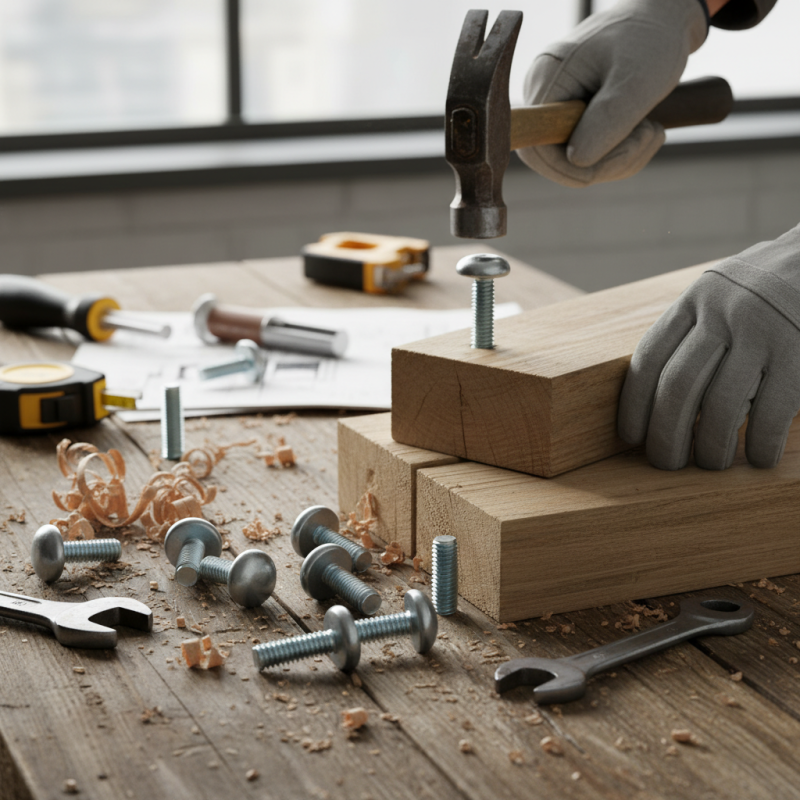
In woodworking, carriage bolts are ideal for joining thick materials. They provide a secure hold. When using them, always pre-drill a hole slightly larger than the bolt to avoid splitting the wood. This detail is crucial; many overlook it.
Tips: Ensure you choose the right length of the carriage bolt. Too short may not hold, and too long can cause issues.
In construction, they are often used for framing. Carriage bolts withstand heavy loads and resist vibrations. Keep in mind that over-tightening can lead to damaging the material. Regularly check the bolts during maintenance; this detail can save trouble later.
Installation Process: How to Properly Use a Carriage Bolt
Carriage bolts are essential fasteners used in various construction projects. They provide a strong, secure connection for outdoor applications. Their unique rounded head and square neck prevent them from rotating during installation. Proper usage is crucial for achieving durability and reliability.
When installing a carriage bolt, start by drilling the correct-sized hole in the materials you intend to join. The diameter should match the bolt's specification, which usually ranges from 1/4 inch to 1 inch. Research from industry reports shows that incorrect sizing can lead to joint failure. After the hole is prepared, insert the bolt through. Use a washer to distribute the load and prevent damage to the material. Ensure the square neck fits snugly against the work surface.
Tightening is the next step. Use the right tools for a secure fit. Over-tightening can cause material cracking or bolt shearing. According to recent studies, 57% of installation failures stem from inadequate fastening practices. Always check your installation for tightness over time. Frequent inspections are recommended to maintain structural integrity.
Differences Between Carriage Bolts and Other Fasteners
Carriage bolts are unique in their design, especially when compared to other fasteners. Their round head and square neck prevent spinning during installation, making them ideal for wooden applications. Unlike traditional bolts, carriage bolts are not meant for high-stress environments. They are commonly used in furniture and deck construction, where a clean finish is important.
When contrasting carriage bolts with hex bolts, the differences become clearer. Hex bolts have a far more robust head and require a wrench, driving them into tougher materials. Carriage bolts shine in softer materials, where their rounded head provides aesthetic appeal. Choosing the right fastener depends heavily on the material and the project requirements.
**Tips:** Always consider the environment where the fasteners will be used. If moisture is a factor, stainless steel or coated bolts could prevent rust. Pay attention to the length of the bolt; it should be long enough to secure materials without being overly long. It's a common mistake to overlook the tensile strength needed for different projects. This oversight can lead to structural issues down the line.
Maintenance and Considerations for Using Carriage Bolts
Carriage bolts are very useful fasteners, but they require proper maintenance for optimal performance. Regular checks can help prevent issues. Look for signs of rust or damage. If you find any, replace them immediately. Keeping bolts clean extends their lifespan.
When installing carriage bolts, ensure they fit correctly. A loose bolt can lead to instability. It might be wise to use a washer to improve grip. Some users skip this, but it can lead to problems later. Better to be safe than sorry.
Tips for handling carriage bolts:
- Store them in a dry place to avoid corrosion.
- Always use a wrench for tightening.
- Avoid over-tightening, as this can weaken the material.
Checking your bolts frequently is key. Over time, vibrations can cause loosening. By being proactive, you can ensure the longevity of your projects. It's easy to forget maintenance, but neglect leads to bigger problems down the road. Stay aware and keep an eye on your carriage bolts.
What is a Carriage Bolt and How is it Used?
| Dimension |
Length (inches) |
Diameter (inches) |
Material |
Common Use |
| 1/4" x 1" |
1 |
1/4 |
Steel |
Wood and Metal Connections |
| 5/16" x 2" |
2 |
5/16 |
Stainless Steel |
Outdoor Furniture Assembly |
| 3/8" x 3" |
3 |
3/8 |
Galvanized Steel |
Heavy-Duty Projects |
| 1/2" x 1-1/2" |
1.5 |
1/2 |
Mild Steel |
Construction & Framing |
| 3/8" x 4" |
4 |
3/8 |
Brass |
Decorative Applications |