Best Furniture Screws for Durable and Secure Assembly?
In today's furniture manufacturing industry, the choice of the right fasteners is crucial for assembling durable pieces. According to a report by the Furniture Industry Research Association, over 30% of furniture failures stem from inadequate fasteners. This highlights the importance of selecting quality furniture screws that ensure security and longevity.
Furniture screws come in various sizes and materials, each designed for specific applications. For instance, wood screws are commonly used due to their ability to hold strong in wooden pieces. A study from the Journal of Industrial Design showed that using the appropriate screw can increase furniture lifespan by up to 40%.
However, not all furniture screws are created equal. Many products on the market lack the strength and reliability needed for quality assembly. Consumers often overlook this detail, impacting the overall durability of their furniture. Evaluating screw specifications is essential for making informed choices. Ignoring this can lead to issues that may require costly repairs or replacements in the future.
Understanding Furniture Screws: Types and Their Applications
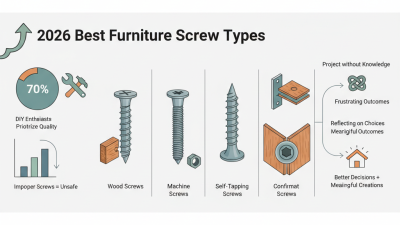
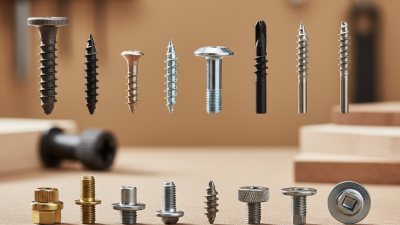
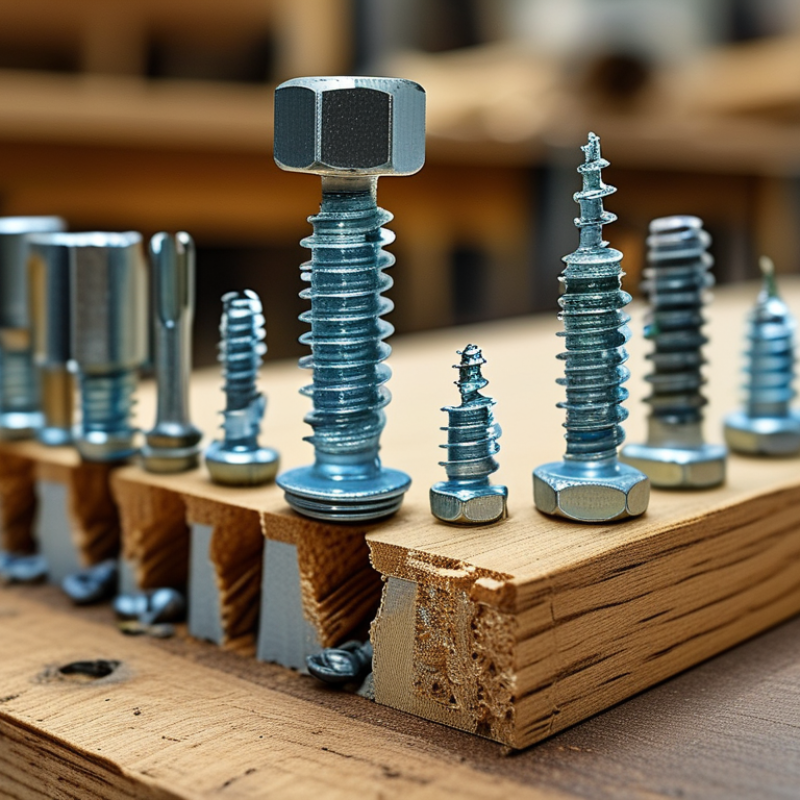
Furniture screws come in various types, each suited for specific applications. Wood screws are common for joining wooden pieces. They usually have a sharp tip and a coarse thread, biting into the wood for a secure hold. Metal screws, on the other hand, have finer threads and are ideal for assembling metal parts. They may require pre-drilled holes to ensure a stable connection.
In addition to wood and metal screws, there are specialty screws like pocket hole screws and machine screws. Pocket hole screws have a unique design, perfect for hidden joints. They provide strong connections without visible fasteners. Machine screws, contrastingly, are used with a nut or in tapped holes, providing an extra layer of security for mechanical applications.
It’s vital to match the screw type with your material. A wrong choice can lead to weak assemblies or even damage. Collecting the right tools is also essential. While it’s easy to overlook, ensuring you have the right drill bits and drivers matters. Remember, each project has unique needs, and a little planning can save time and effort later.
Best Furniture Screws for Durable and Secure Assembly
Key Factors to Consider When Choosing Furniture Screws
When choosing furniture screws, several key factors demand attention. Material quality is paramount. Steel screws, for example, offer strength, while brass screws provide corrosion resistance. According to industry data, steel screws can withstand considerable force, making them ideal for heavier furniture pieces. They feature a tensile strength of 60,000 PSI, ensuring durability over time.
Thread type is another vital consideration. Coarse threads are suitable for softwoods, but fine threads are better for hardwoods. A study in furniture manufacturing highlighted that mismatched screw types could lead to weaker joints. This issue can cause furniture to wobble or become unstable, which might compromise safety.
Screw length is critical too. Too short screws may not hold properly, while overly long screws can penetrate through surfaces. An optimal screw length should penetrate at least 1.5 times the thickness of the material being joined. This balance creates a secure assembly without damaging the workpieces. These details reflect ongoing discussions in furniture design and assembly, where even minor decisions can lead to significant impacts on stability and longevity.
Best Materials for Durable Furniture Screws
When choosing screws for furniture assembly, the material matters greatly. Steel is a popular choice due to its strength and durability. It's resistant to bending and breaking under stress. Stainless steel screws offer additional protection against rust and corrosion. This makes them ideal for items exposed to moisture. However, they can be more expensive than standard steel, which is something to consider.
Another good option is brass. Brass screws are often chosen for their aesthetic appeal. They resist corrosion well, making them suitable for decorative pieces. Keep in mind that brass is softer than steel, so it may not hold as much weight over time. You might face issues if used in high-stress areas. Ultimately, the choice of material should reflect the specific needs of your project.
Hardwood screws, designed for use in hardwood creations, often feature a sharper point. This allows them to penetrate dense wood easily. However, they may not be as readily available as steel options. It's essential to assess the weight and use of each furniture piece. Making informed decisions on screw materials can lead to longer-lasting assemblies, but it requires some trial and error.
Top Brands and Products for Secure Furniture Assembly
When it comes to assembling furniture, choosing the right screws is crucial. The best screws enhance durability and ensure a secure fit. Premium screws are often made from high-quality materials. They resist stripping and provide a solid hold. You might consider factors like the type of wood or material being used. Different screws have specific applications, so understanding these can impact your assembly.
Many brands focus on producing reliable screws. These brands often conduct extensive tests to ensure performance. Their screws feature unique designs that enhance grip and stability. However, not all screws work smoothly with every type of furniture. It's essential to try different options and find what fits best for your needs. Sometimes, trial and error occurs, revealing limitations in certain products.
Research and reviews can be helpful in identifying top choices. Users often share their experiences, highlighting what's effective and what isn't. A screw that works well in one assembly might fail in another. Pay attention to these insights to refine your choices. Remember, even the best screws may not guarantee perfect results in every situation.
Tips for Proper Installation of Furniture Screws
When installing furniture screws, the correct technique is essential for stability. According to industry studies, using the right screw type can increase the longevity of the furniture by 40%. A common mistake is over-tightening screws. This can lead to stripped holes or damaged materials. Aim for a firm fit, but allow for some movement.
Ensure that the screws are matched to the material of the furniture. Wood screws need to be different from those used in metal. A standard wood screw might be smooth. It allows the wood pieces to slide past each other. Additionally, drilling pilot holes reduces the strain on the wood. This practice prevents cracking and enhances the integrity of the structure.
Another detail to consider is the environment. Humidity can affect wood and metal, causing expansion and contraction. Screws that are resistant to corrosion can improve the lifespan of furniture. Using a torque wrench can assist in achieving the right tightness. It helps avoid the common issue of screws loosening over time. Employing these tips can lead to a more durable assembly, ensuring your furniture stands the test of time.
Best Furniture Screws for Durable and Secure Assembly
| Type of Screw |
Material |
Length (mm) |
Head Type |
Recommended Use |
Installation Tips |
| Wood Screw |
Steel |
30 |
Flat |
Wooden Furniture Assembly |
Pre-drill holes for better grip |
| Machine Screw |
Stainless Steel |
25 |
Hex |
Metal to Metal Assembly |
Use a washer for a secure fit |
| Self-Tapping Screw |
Carbon Steel |
20 |
Pan |
Plastic to Metal Assembly |
Ensure alignment before screwing |
| Furniture Screw |
Brass |
40 |
Round |
Assembly of Flat-Pack Furniture |
Tighten securely but do not overtighten |